Skin & Hair
Coconut Oil for Skin: Benefits, How to Use It Safely, and What to Avoid (2026 Guide)
If your skin feels dry, tight, or flaky, you have probably wondered if that jar of coconut oil in your kitchen can help. The short answer is yes
Independent coconut oil guides
Compare the coconut oils worth buying, understand how virgin, refined, and MCT oils differ, and get practical guides for cooking and everyday care.
Compare at a glance
One for every job, from everyday cooking to skin care. Chosen from labels, specifications, and published research.
Best overall
Extra-virgin
USDA organic, cold-pressed, single-ingredient jar that handles cooking, baking, skin, and oil pulling.
Best big-jar value
Raw virgin
Large jar with a low price per ounce for households that go through a lot of oil.
Best budget
Unrefined
A classic, single-ingredient unrefined oil at a lower cost than most organic jars.
Best for high-heat cooking
Refined
Neutral taste and a higher smoke point for frying and sautéing.
Best for coffee & energy
MCT
Stays liquid and blends easily into coffee and smoothies.
Best for skin & hair
Fractionated
Odorless, non-greasy carrier oil that absorbs quickly.
As an Amazon Associate we earn from qualifying purchases. Prices and availability are shown on Amazon and can change.
Browse by need
 4 guides
Cooking & Baking
Smoke points, swaps, and kitchen uses
 12 guides
Skin & Hair
Moisturizing, acne, hair masks, and more
 11 guides
Health & Wellness
What the evidence says, and what it doesn’t
 Guide
MCT & Fractionated
Liquid oils for coffee, skin, and hair
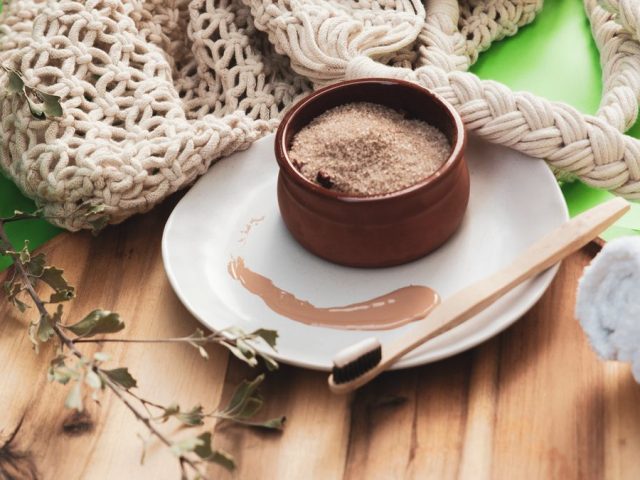 5 guides
Uses & DIY
50+ practical ways to use coconut oil
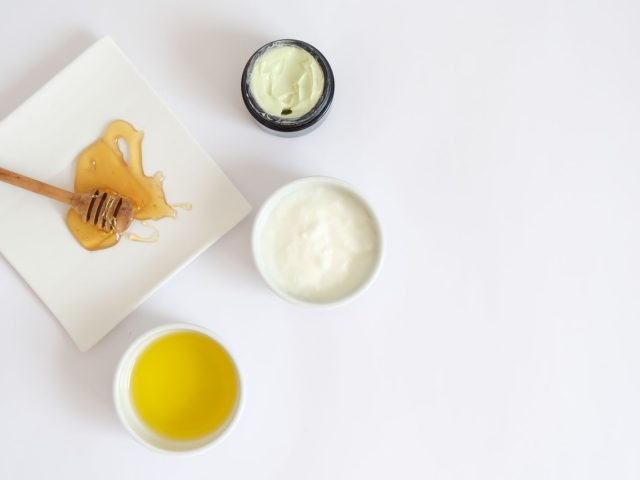 15 recipes
DIY Recipes
Balms, scrubs, and masks, step by step
 4 guides
Pets
Dogs, cats, horses, and chickens
 10 profiles
Ingredient Profiles
Shea, jojoba, beeswax, and other pairings
Buying guide
Most of the difference between jars comes down to three things. Get these right and you’ll buy the right oil the first time.
Featured
Skin & Hair
If your skin feels dry, tight, or flaky, you have probably wondered if that jar of coconut oil in your kitchen can help. The short answer is yes
Health & Wellness
Health & Wellness
Free tools
Quick, no-signup tools that run right in your browser.
Make it yourself
Just published
Health & Wellness
Health & Wellness
Quick answers
Virgin (unrefined) oil is pressed from fresh coconut and keeps its coconut flavor and aroma. Refined oil is filtered and deodorized, so it tastes neutral and tolerates higher cooking temperatures.
Refined coconut oil has a smoke point near 400°F (204°C); virgin sits closer to 350°F (175°C). Use refined for frying and searing, virgin for baking and medium heat.
Coconut oil is rated highly comedogenic, so it can clog pores, especially on acne-prone skin. Patch-test first, favor it on body skin, and consider fractionated coconut oil for the face.
Stored sealed in a cool, dark place, virgin coconut oil typically keeps 18–24 months. Once opened, check the smell before use; rancid oil smells sour or crayon-like.