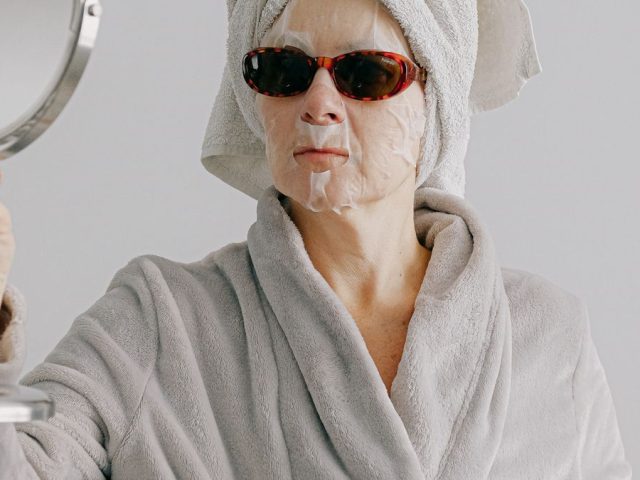
If your skin feels dry, tight, or flaky, you have probably wondered if that jar of coconut oil in your kitchen can help. The short answer is yes — for the right skin, in the right spot, and the right way. Used well, coconut oil for skin is a cheap, natural moisturizer that locks in water and softens rough patches. Used wrong, it can clog pores and cause breakouts.
Coconut oil is a fantastic body moisturizer and a risky face moisturizer. It seals moisture into dry skin beautifully. But it rates high on the pore-clogging scale, so acne-prone faces should be careful. If you want coconut oil on your face, use the fractionated (light, liquid) type and patch-test first.
This guide keeps it simple. No hype, no fluff. By the end you will know exactly what coconut oil does for skin, who should use it, how to apply it step by step, which type to buy, and the common mistakes that ruin results. Let’s get into it.
What Is Coconut Oil — and the 3 Types That Matter for Skin
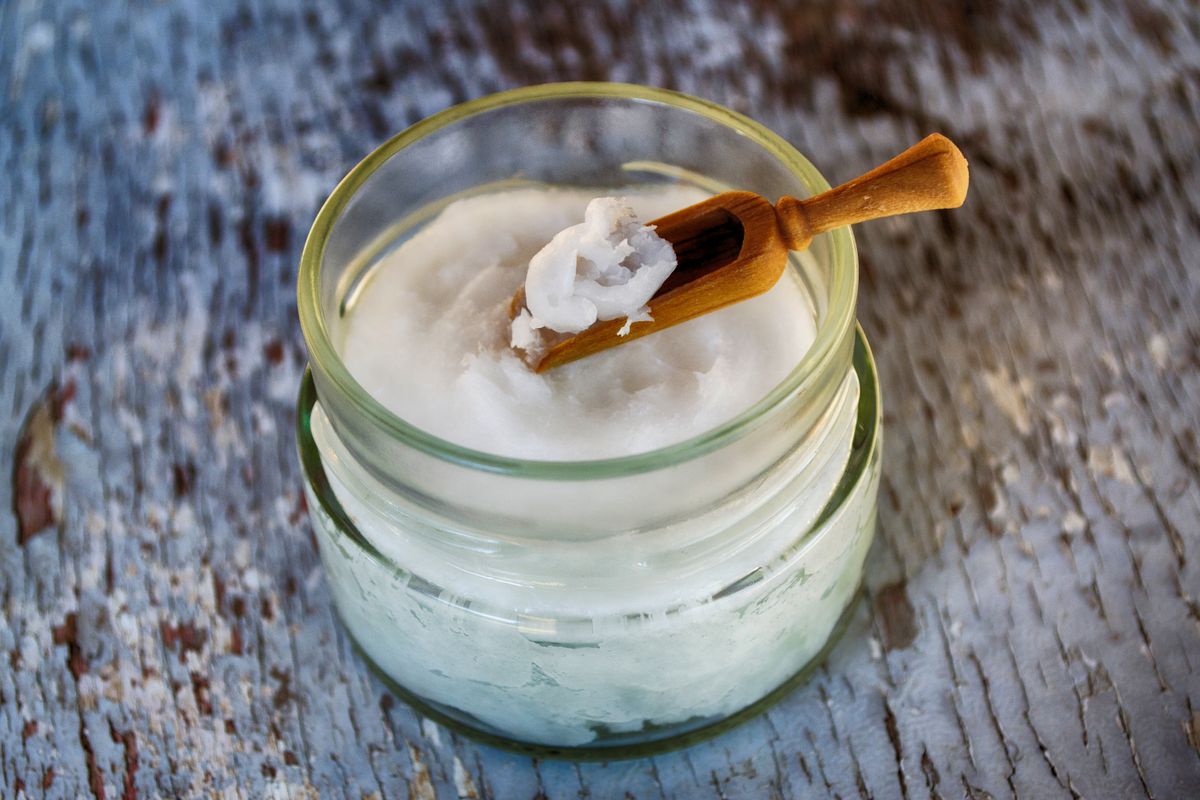
Coconut oil is the fat pressed from the white meat of a coconut. At room temperature it is usually solid and creamy white, then it melts into a clear liquid the second it touches warm skin. That melt-on-contact feel is a big part of why people love it.
What makes it useful for skin is its fatty acids. The star is lauric acid, a medium-chain fat that has mild antimicrobial properties in lab studies. Coconut oil also works as an emollient and occlusive — fancy words that simply mean it softens the surface and forms a thin seal that slows water from escaping your skin. That seal is why it is so good at fighting dryness.
But not all coconut oil is the same. For skincare, three types matter, and picking the right one changes your results:
- Virgin (unrefined) coconut oil — cold-pressed from fresh coconut, with a light coconut scent. It is rich, deeply moisturizing, and full of the natural compounds. Best for body and very dry skin.
- Refined coconut oil — processed to remove the scent and raise the smoke point. Fine for skin but a bit more processed; most people pick virgin instead for skincare.
- Fractionated coconut oil (MCT) — coconut oil with the heavy long-chain fats removed, so it stays liquid, feels light, absorbs fast, and lasts for years. It is the face-friendliest option and the go-to carrier oil for essential oils.
| Type | Feel | Best use | Scent | Shelf life |
|---|---|---|---|---|
| Virgin | Rich, solid, melts on skin | Body, very dry areas, DIY balms | Light coconut | ~18–24 months |
| Refined | Solid, neutral | Body, cooking crossover | None | ~18–24 months |
| Fractionated (MCT) | Light, liquid, fast-absorbing | Face, massage, essential-oil blends | None | Years |
If you remember one thing here: virgin for the body, fractionated for the face. That single rule prevents most coconut-oil skin problems. Want the full rundown of grades and brands? See our best coconut oil buying guide and the ingredient database for a deeper look at lauric acid.
The Real Benefits of Coconut Oil for Skin
Let’s talk about what coconut oil actually does — with honest expectations. It is a moisturizer, not a miracle. But as a moisturizer, it earns its spot on your shelf.
1. It locks in moisture and calms dryness
This is coconut oil’s superpower. Because it is occlusive, it forms a light barrier that slows water loss. A well-known 2014 study found that virgin coconut oil improved skin hydration and skin-barrier function as well as (or better than) mineral oil in people with dry skin. In plain English: it helps thirsty skin hold onto water, so rough elbows, dry shins, and flaky patches feel softer.
2. It softens rough spots and “ashy” skin
Heels, knuckles, elbows, and knees take a beating. A thin layer of coconut oil after a shower smooths those areas fast. Because it melts at body temperature, it spreads easily and sinks in without a greasy film if you use a small amount.
3. It has mild antimicrobial properties
Lauric acid shows antibacterial activity in lab research. Some people find coconut oil helps calm the itch and redness of very dry, irritated skin. It is not a treatment for infections or medical skin conditions — but for everyday dryness, that gentle quality is a nice bonus.
4. It’s a great, cheap makeup remover and cleansing oil
Oil dissolves oil. Coconut oil melts away sunscreen, waterproof mascara, and long-wear makeup with zero tugging. For the face, use the fractionated type and always rinse or wipe fully so nothing is left to clog pores.
5. It doubles as a body oil, cuticle oil, and lip balm
One jar replaces three products. Dab it on dry cuticles, smooth a rice-grain amount on chapped lips, or massage it into legs after shaving. That versatility is why it is a bathroom staple around the world.
Think of coconut oil as a “sealer,” not a “drink of water.” It works best on slightly damp skin — it traps the water that’s already there.
People with dry, normal, or mature skin on the body get the biggest win. If you have very oily or acne-prone skin — especially on the face — read the next section carefully before you slather it on.
⚠️ The One Big Caution: Coconut Oil Can Clog Pores
Here is the honest truth most “10 benefits” articles skip. Coconut oil rates about 4 out of 5 on the comedogenic scale. That scale measures how likely an ingredient is to clog pores, where 0 means “won’t clog” and 5 means “very likely to clog.” A 4 is high.
For dry body skin, that pore-clogging risk barely matters. For an acne-prone face, it can trigger breakouts, blackheads, and little bumps — sometimes within days. This is the single most common coconut-oil complaint online, and it is completely avoidable.
How to stay safe
- Patch-test first. Rub a little on your inner arm and wait 24–48 hours. No redness or bumps? You are likely fine there.
- Prefer body over face if you are acne-prone.
- If you want it on your face, use fractionated coconut oil. It is lighter and less likely to sit in pores — though “less” is not “never.”
- Never leave a thick layer on the face overnight if you break out easily.
- Stop at the first sign of bumps. Your skin is telling you it’s a “no.”
Coconut is a fruit, but it is sometimes grouped with tree nuts for allergy labeling. If you have a nut allergy, check with your doctor first. This article is general education, not medical advice — for anything persistent or serious, see a dermatologist. Read our full wellness disclaimer.
Face vs Body: Where to Use Coconut Oil (and Where Not To)
Location is everything. The same oil that’s a hero on your shins can be a villain on your cheeks. Use this quick map.
| Skin type / area | Coconut oil verdict | Best type | Why |
|---|---|---|---|
| Dry body skin | ✅ Great | Virgin | Seals in moisture; pore risk low on the body |
| Dry, non-acne face | ✅ OK, with care | Fractionated | Lighter, less likely to clog |
| Oily / acne-prone face | ⚠️ Usually avoid | — | High comedogenic rating can cause breakouts |
| Lips & cuticles | ✅ Excellent | Virgin or fractionated | Small area, big softening payoff |
| Makeup removal | ✅ Excellent | Fractionated | Melts makeup; rinse fully after |
| Post-shave legs/underarms | ✅ Great | Virgin or fractionated | Soothes and softens |
| Eczema-prone patches | ✅ Often helpful | Virgin | Boosts hydration; patch-test first |
Notice the pattern: body = green light, acne-prone face = caution. When in doubt, keep coconut oil below the neck. Curious which oil fits your exact routine? Try our use-case finder or the 60-second coconut oil quiz.
How to Use Coconut Oil on Your Skin (Step by Step)
Getting good results is less about the oil and more about the method. A little goes a long way. Here are the routines our editors actually use.
As a daily body moisturizer
- Shower or bathe as normal, then pat your skin so it stays slightly damp.
- Scoop a pea-to-almond-sized amount (it melts in your palms).
- Massage it into dry areas — shins, elbows, knees, forearms — using upward strokes.
- Wait 2–3 minutes before dressing so it absorbs and won’t stain clothes.
As a gentle oil cleanser / makeup remover (face)
- Start with dry skin. Warm a dime-sized amount of fractionated coconut oil in your hands.
- Massage over your face for 30–60 seconds. Watch makeup and sunscreen melt away.
- Lay a warm, damp cloth over your face for a few seconds, then gently wipe.
- Follow with your normal face wash so no oil is left behind. This “double cleanse” is key for acne-prone skin.
As a targeted fix for lips, cuticles, and rough spots
- Dab a tiny amount on chapped lips before bed.
- Rub a drop into each cuticle and massage.
- For heels, apply a thicker layer at night and wear cotton socks.
If your skin looks shiny and greasy 10 minutes after applying, you used too much. Coconut oil should leave a soft, matte-satin finish — not a slick. Start small; you can always add a little more.
Consistency beats quantity. A small amount every day does more than a thick layer once a week. And remember the golden rule: apply to damp skin to trap moisture, not dry skin.
The Best Coconut Oil to Buy for Skin (Editor Pick + Comparison)
For skincare, look for 100% pure coconut oil with no added fragrance, and pick the type that matches where you’ll use it. For the face and daily light use, our top pick is a fractionated coconut oil because it stays liquid, absorbs fast, and is easier on pores. Here’s the exact one our editors reach for.
Handcraft Blends Fractionated Coconut Oil (16 fl oz)
BEST OVERALL
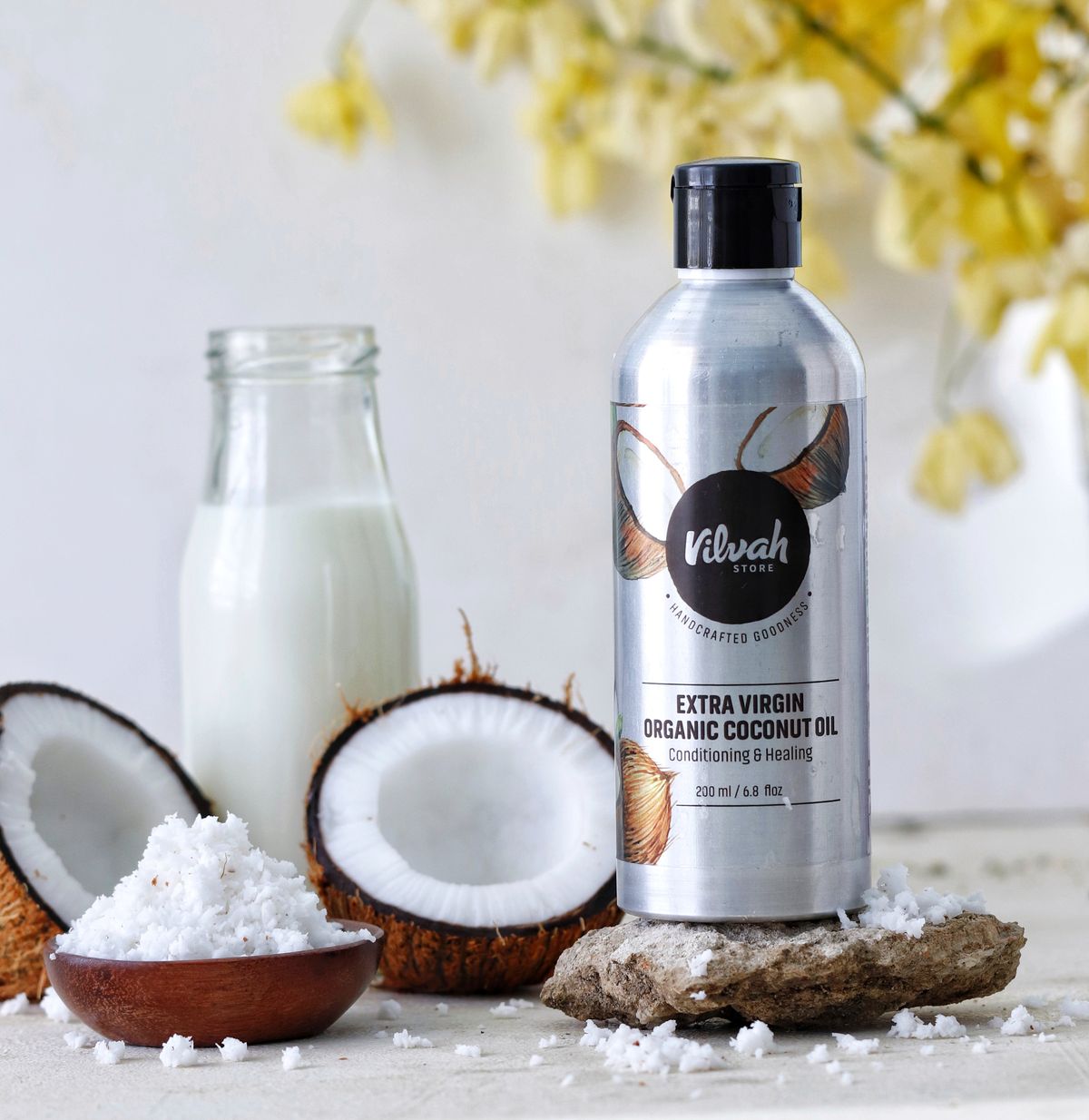
Why we picked it: Fractionated coconut oil is the smart choice for facial and everyday use because the heavy fats are removed. That means it stays liquid (no scooping or melting), soaks in fast, feels light instead of greasy, and lasts for years without going rancid. Handcraft Blends is a clean, single-ingredient, 100% pure oil that works as a face oil, body moisturizer, massage oil, and a carrier for essential oils.
- Type: Fractionated (liquid MCT)
- Size: 16 fl oz (473 ml)
- Purity: 100% pure & natural
- Scent: Odorless
- Best for: Face, body, massage
- Also great as: Carrier oil
- ✅ Stays liquid — no melting or scooping, easy to apply
- ✅ Lightweight & fast-absorbing — good for face and daily use
- ✅ Odorless & non-greasy — won’t smell or stain sheets
- ✅ Very long shelf life — won’t go rancid quickly
- ✅ Multi-use — face, body, massage, essential-oil blends
Check the latest price & reviews on Amazon. Price and availability can change.
Best for: anyone who wants a light facial or body oil, found regular coconut oil too heavy, or mixes their own essential-oil blends.
🤝 Affiliate disclosure: As an Amazon Associate we earn from qualifying purchases. If you buy through our links, we may earn a small commission at no extra cost to you. We only recommend products we’d use ourselves.
Three great coconut oils for skin, compared
Not sure which to grab? These are three real, well-reviewed picks. All are fractionated (light and face-friendly). Choose by your priority — overall quality, organic certification, or value for blending.
| Product | Best for | Size | Highlight | Buy |
|---|---|---|---|---|
| Handcraft Blends Fractionated | Best overall / face | 16 oz | 100% pure, odorless, everyday face & body | Check on Amazon |
| Viva Naturals Organic Fractionated | Best organic | 16 oz | USDA-organic option, trusted brand | Check on Amazon |
| Majestic Pure Fractionated | Best for essential-oil blends | 16 oz | Popular lightweight carrier oil, great value | Check on Amazon |
For deep, whole-body moisturizing on dry skin, a virgin coconut oil is lovely. Sky Organics Organic Coconut Oil with Vitamin E is a skin-focused pick, and Nature’s Way Organic Extra Virgin Coconut Oil is a trusted multi-use jar. Save these for the body and keep the fractionated one for your face.
3 Easy DIY Coconut Oil Recipes for Skin
Want to make your own? These take minutes and use ingredients you can find easily. Always patch-test a new blend.
1. 2-Ingredient Coconut Sugar Scrub
Mix ½ cup virgin coconut oil (softened) with 1 cup white or brown sugar. Stir into a paste. In the shower, gently rub onto damp skin in circles, then rinse. It buffs away dead skin and leaves a soft, sealed finish. Use 1–2 times a week on the body, not the face.
2. Overnight Lip & Cuticle Balm
Warm 1 tablespoon coconut oil with 1 teaspoon of honey. Dab onto lips and cuticles before bed. You wake up to noticeably softer skin. Store leftovers in a tiny jar.
3. Soothing Body Oil Blend
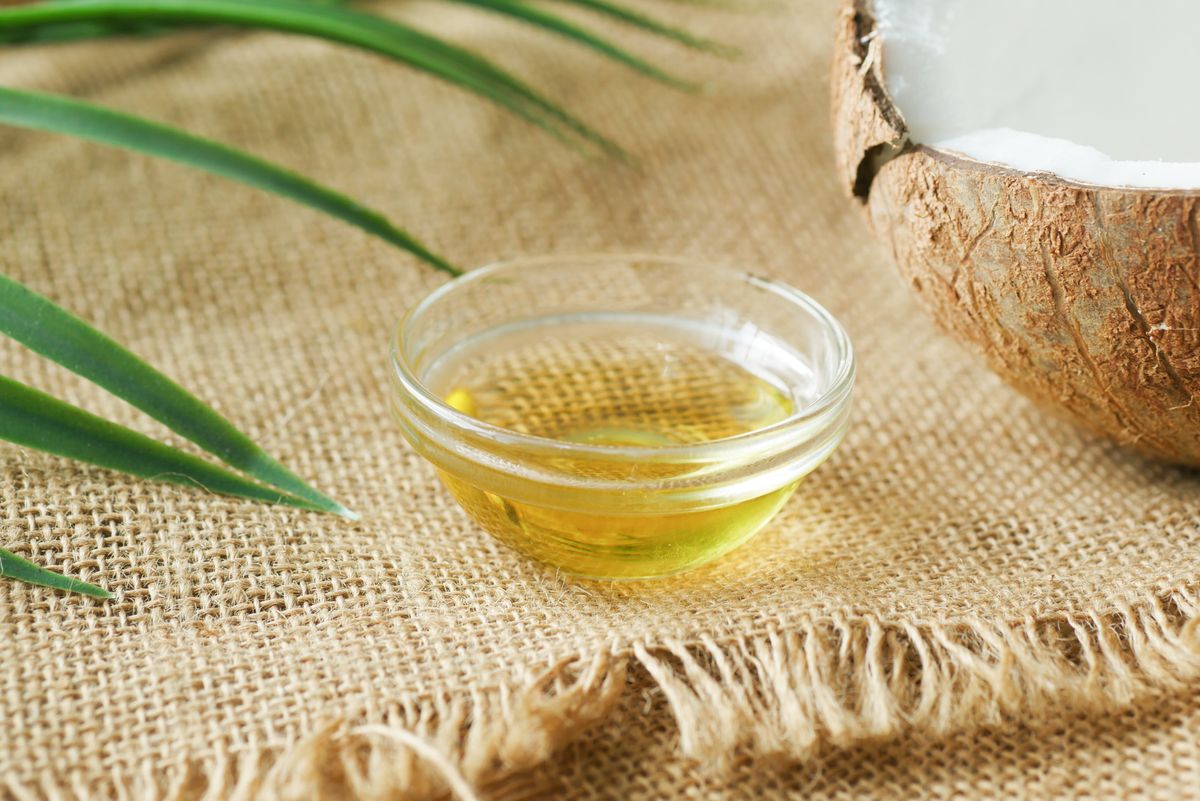
Add 3–4 drops of lavender essential oil to 2 tablespoons of fractionated coconut oil. The fractionated base won’t solidify, so it pours easily. Massage into damp skin after a shower for a calming, spa-like finish.
Hungry for more? Our DIY recipe generator builds skin, hair, and home recipes from coconut oil plus a few extras.
Common Mistakes With Coconut Oil (and How to Fix Them)
Most bad experiences come down to a handful of fixable errors. Here they are.
- Mistake: Using it on an acne-prone face.
✅ Fix: Keep it on the body, or switch to fractionated and double-cleanse. Better yet, use a non-comedogenic oil (like squalane) on the face. - Mistake: Applying way too much.
✅ Fix: Use a pea-to-almond amount. Greasy skin means you overdid it. - Mistake: Putting it on bone-dry skin.
✅ Fix: Apply to damp skin so it seals in water instead of just sitting on top. - Mistake: Skipping the patch test.
✅ Fix: Always test on your inner arm for 24–48 hours before a new area or blend. - Mistake: Buying scented or “cosmetic-grade” mystery oil.
✅ Fix: Choose 100% pure, unscented coconut oil. Fewer ingredients = fewer surprises. - Mistake: Using rancid oil.
✅ Fix: Smell it first. If it smells sharp or crayon-like, toss it. Fractionated oil lasts far longer than virgin.
Stop using coconut oil on that area right away and switch to a lighter, non-comedogenic moisturizer. Breakouts from oil usually clear within a couple of weeks once you remove the trigger.
Pro Tips From Our Editors
Small tweaks, big difference. These are the habits that separate “meh” from “wow.”
- 💡 Warm it in your palms first. A few seconds of rubbing melts virgin coconut oil so it spreads evenly and never drags on the skin.
- 💡 Layer it last. On the body, coconut oil works best as the final step — after any water-based lotion — because it seals everything underneath.
- 💡 Keep two jars. One virgin jar for the body, one fractionated bottle for the face and blends. It stops you from reaching for the wrong one.
- 💡 Store it cool and sealed. Heat and light shorten shelf life. A cool cabinet keeps it fresh and mild.
- 💡 Use it on damp skin within 3 minutes of showering. That short window is when sealing in moisture works best.
- 💡 Test new essential-oil blends at half strength. Essential oils are strong; the fractionated base makes them easy to dilute.
Our test-kitchen rule: if a product needs a warning label for your skin type, respect it. Coconut oil is a body-first oil — treat your face as the exception, not the default.
Real-Life Examples (What People Actually Report)
Scroll through beauty communities on TikTok, Reddit, and Instagram and you’ll see the same stories again and again. Here’s the honest pattern:
- “It saved my dry winter legs.” Body users rave about coconut oil for flaky shins, elbows, and post-shower dryness. This is where it shines most.
- “It broke me out.” Face users with oily or acne-prone skin often report clogged pores and bumps — the exact comedogenic issue we covered. Many fixed it by moving the oil to their body.
- “Best cheap makeup remover ever.” A near-universal win. People love how it melts stubborn, waterproof makeup without harsh rubbing.
- “Great for my baby’s dry patches — after checking with the pediatrician.” Parents use small amounts on dry infant skin, but always patch-test and ask a doctor first.
The takeaway from thousands of real reviews matches the science: brilliant on the body, hit-or-miss on the face. Match your use to your skin and you’ll likely land in the “love it” camp.
Frequently Asked Questions
Is coconut oil good for your face?
It depends on your skin. For dry, non-acne-prone faces, a light fractionated coconut oil can moisturize and remove makeup well. For oily or acne-prone skin, coconut oil’s high pore-clogging rating (about 4/5) makes it risky on the face — many people break out. Patch-test first, and when in doubt, keep it on your body.
Can I leave coconut oil on my skin overnight?
On the body, yes — an overnight layer on dry hands, feet, or elbows works great (cotton socks or gloves help). On an acne-prone face, no — don’t leave a heavy layer on overnight, as it can clog pores while you sleep.
Does coconut oil help with acne?
Not usually as a facial moisturizer. While lauric acid has antibacterial properties in lab tests, coconut oil is comedogenic and often worsens facial acne by clogging pores. If you’re battling breakouts, choose a non-comedogenic oil like squalane or jojoba for the face instead.
What type of coconut oil is best for skin?
For the body, choose virgin (unrefined) coconut oil for rich moisture. For the face and everyday light use, choose fractionated coconut oil — it’s liquid, lightweight, absorbs fast, and is gentler on pores.
Can coconut oil remove dark spots or wrinkles?
There’s no strong evidence coconut oil erases dark spots or wrinkles. It moisturizes, which can make skin look plumper and smoother temporarily, and softens dry, crepey texture. For dark spots or deep wrinkles, proven ingredients like vitamin C, retinoids, and sunscreen do the heavy lifting.
Is coconut oil safe for sensitive or eczema-prone skin?
Many people with eczema find virgin coconut oil soothing because it boosts hydration and the skin barrier. Still, sensitive skin can react to anything — patch-test for 24–48 hours first, and check with a dermatologist for persistent flare-ups.
Your Quick-Start Checklist
- Pick your type: virgin for body, fractionated for face
- Buy 100% pure, unscented coconut oil
- Patch-test on your inner arm for 24–48 hours
- Apply to damp skin within 3 minutes of showering
- Use a pea-to-almond amount — less is more
- On acne-prone faces, double-cleanse or skip the face entirely
- Store it cool, sealed, and out of sunlight
- Stop at the first sign of bumps or irritation
The Bottom Line
Coconut oil for skin is one of the best-value moisturizers you can own — if you use it the smart way. Treat it as a body-first oil: it locks moisture into dry skin, softens rough patches, removes makeup, and pulls double duty as a lip and cuticle balm. Be cautious on an acne-prone face, reach for the fractionated type when you do use it up top, and always patch-test.
Ready to try it? Our editor’s pick, Handcraft Blends Fractionated Coconut Oil, is the easiest place to start for face and body alike. Grab a jar, patch-test tonight, and let your skin tell you the rest.
👉 Best coconut oil buying guide · Coconut oil for hair · Coconut oil pulling · Take the 60-second oil quiz