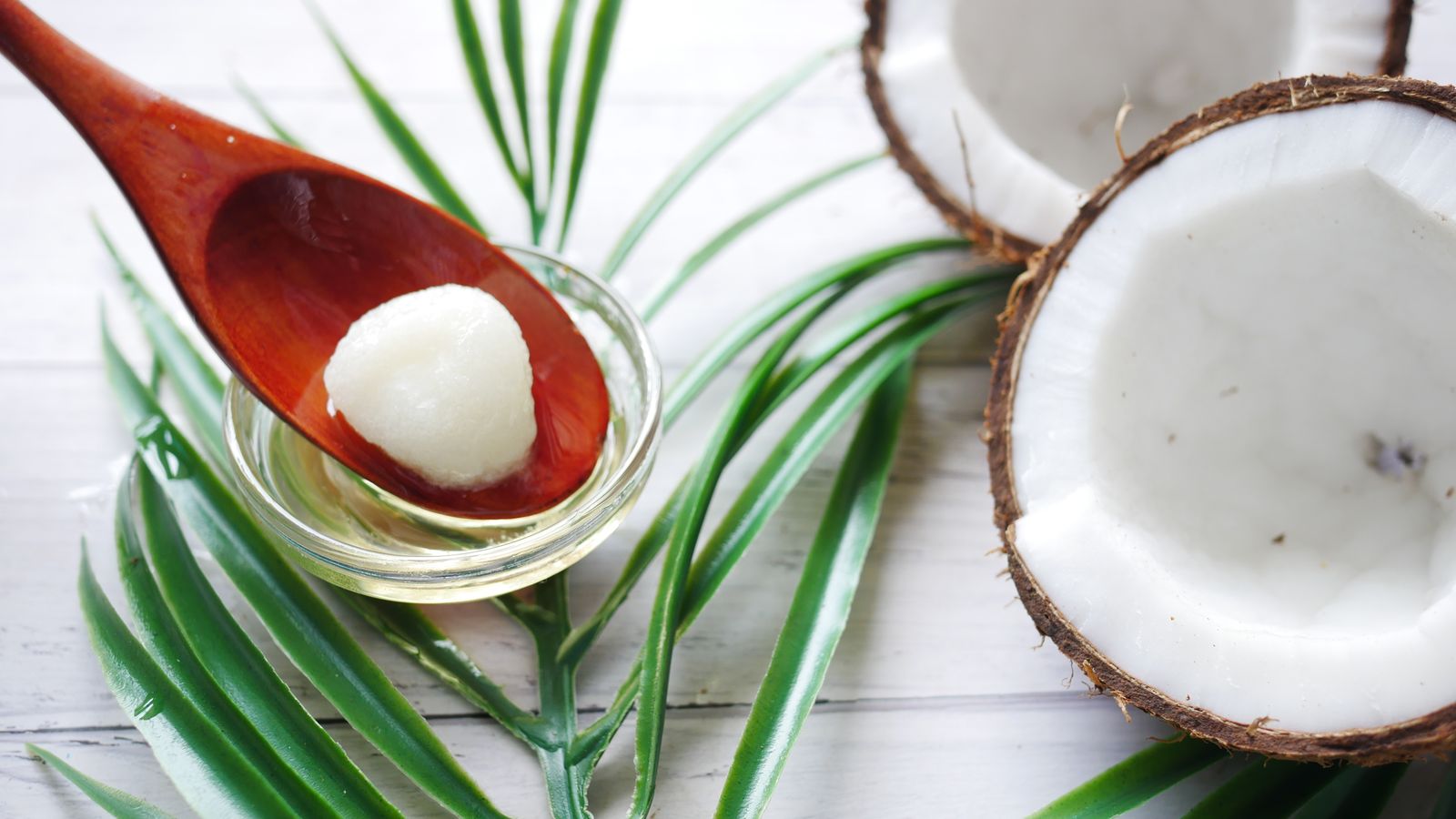
If you’ve heard that swishing coconut oil around your mouth can whiten teeth, freshen breath, and boost oral health, you’re not alone — coconut oil pulling has become one of the most popular natural mouth-care habits in the world. But does it actually work, and how do you do it without gagging or making a mess? This guide gives you the honest, science-aware answer plus a simple step-by-step routine.
Oil pulling means swishing about a tablespoon of coconut oil in your mouth for 10–20 minutes, then spitting it out. It can reduce bad-breath bacteria and plaque for many people and feels great — but it is a bonus to brushing and flossing, not a replacement. Use unrefined virgin coconut oil, never swallow it, and never spit it down the drain.
Below you’ll learn exactly what oil pulling does, what the research says, the foolproof step-by-step method, common mistakes, and the best coconut oil to use. Let’s get swishing — the smart way.
What Is Coconut Oil Pulling?
Oil pulling is an ancient practice from Ayurvedic tradition. The idea is simple: you put a spoonful of oil in your mouth and gently swish it between your teeth for several minutes. As you swish, the oil mixes with your saliva and, in theory, “pulls” bacteria, food debris, and gunk off your teeth and gums. Then you spit it out — taking a lot of that bacteria with it.
People traditionally used sesame or sunflower oil. Coconut oil became the modern favorite for two reasons: it tastes mild and pleasant, and its main fatty acid, lauric acid, has natural antimicrobial properties. That combination makes coconut oil the most comfortable and popular choice for a daily pull.
Think of it as a gentle, natural mouth rinse. It doesn’t foam, sting, or leave a chemical aftertaste. Many people say their mouth feels remarkably clean and smooth afterward — like the “just-left-the-dentist” feeling. That clean feeling, plus fresher breath, is the number-one reason fans keep doing it every morning.
It’s cheap, too. A single jar of coconut oil lasts months of daily pulling, which makes it one of the most budget-friendly additions to an oral-care routine. New to coconut oil in general? See our best coconut oil guide to understand the grades first.
Benefits of Oil Pulling (and What the Science Says)
Let’s be honest and evidence-based here, because oil pulling is surrounded by big claims. Some are supported by small studies; others are hype. Here’s the real picture.
1. Fresher breath (the strongest benefit)
Bad breath is often caused by bacteria on the tongue and between teeth. Several small studies found that oil pulling reduced the bacteria and compounds behind halitosis — in some cases about as well as a chlorhexidine mouthwash. This is the most consistently reported and believable benefit: people’s breath genuinely smells fresher.
2. Less plaque and healthier gums
A number of small trials in teenagers and adults found that daily coconut-oil pulling reduced plaque build-up and markers of gum inflammation (gingivitis) over a few weeks. The likely reason is lauric acid’s antibacterial action plus the simple mechanical swishing that dislodges debris.
3. A cleaner-feeling mouth
Even setting studies aside, the “clean mouth” feeling is real and immediate for most people. That smooth-teeth sensation keeps the habit going and can make you more mindful of your whole oral-care routine.
4. Possible whiter-looking teeth
This one is mostly anecdotal. Oil pulling won’t bleach teeth, but by reducing surface plaque and stains over time, some people feel their teeth look a shade brighter. Don’t expect dramatic whitening — that’s a job for other methods.
Oil pulling is best understood as a breath-and-plaque helper you add to brushing and flossing — not a cure, and not a replacement for the dentist.
People who struggle with morning breath, mild plaque build-up, or a “filmy” mouth feeling tend to notice the most. If you have gum disease, cavities, or dental pain, oil pulling is not a treatment — see your dentist.
How to Do Coconut Oil Pulling (Step by Step)
It’s easy once you get the hang of it. The first time can feel strange — the solid oil melts in your mouth — but after a day or two it’s second nature. Do this first thing in the morning, before eating or drinking.
- Scoop about 1 tablespoon of virgin coconut oil. If it’s solid, it will melt in seconds from your body heat. Beginners can start with 1–2 teaspoons.
- Put it in your mouth and let it melt fully into a liquid.
- Swish gently — push and pull the oil between your teeth and around your gums. Keep it relaxed; don’t tense your jaw. No need to gargle.
- Keep going for 10–20 minutes. This is the key. It’s long, so do it while you shower, get dressed, or scroll your phone.
- Spit it into the trash — never the sink or toilet (the oil can clog pipes as it solidifies). Spit into a bin or an old jar.
- Rinse your mouth with warm water, then brush your teeth as normal.
Twenty minutes feels impossible on day one. Start with 5 minutes, then add a couple of minutes each day until you reach 15–20. Doing it in the shower makes the time vanish.
How Long and How Often Should You Do It?
The sweet spot most sources agree on is 10–20 minutes, once a day. Ten minutes is enough for real benefit; twenty is the traditional target. Going much longer doesn’t add much and can tire your jaw. Consistency beats duration — a daily 10-minute pull does more than an occasional 20-minute one.
Morning is ideal, on an empty stomach, because bacteria build up overnight and you clear them before they get to work. If mornings are rushed, any time works — just wait a while after eating. Most people who stick with it do it 5–7 days a week and treat it like a calm morning ritual.
Give it a fair trial of two to four weeks before judging results. Fresher breath often shows up within days; plaque and gum improvements take a few weeks of daily practice. If you hate it after a solid try, no harm done — it’s optional.
The Best Coconut Oil for Oil Pulling
Use unrefined virgin coconut oil — 100% pure, organic if possible, and unscented. Virgin oil keeps the natural lauric acid that gives pulling its antibacterial edge, and it tastes clean and mild. Skip flavored or refined blends. Here’s the jar our editors keep by the sink.
Nature’s Way Organic Extra-Virgin Coconut Oil
BEST OVERALL
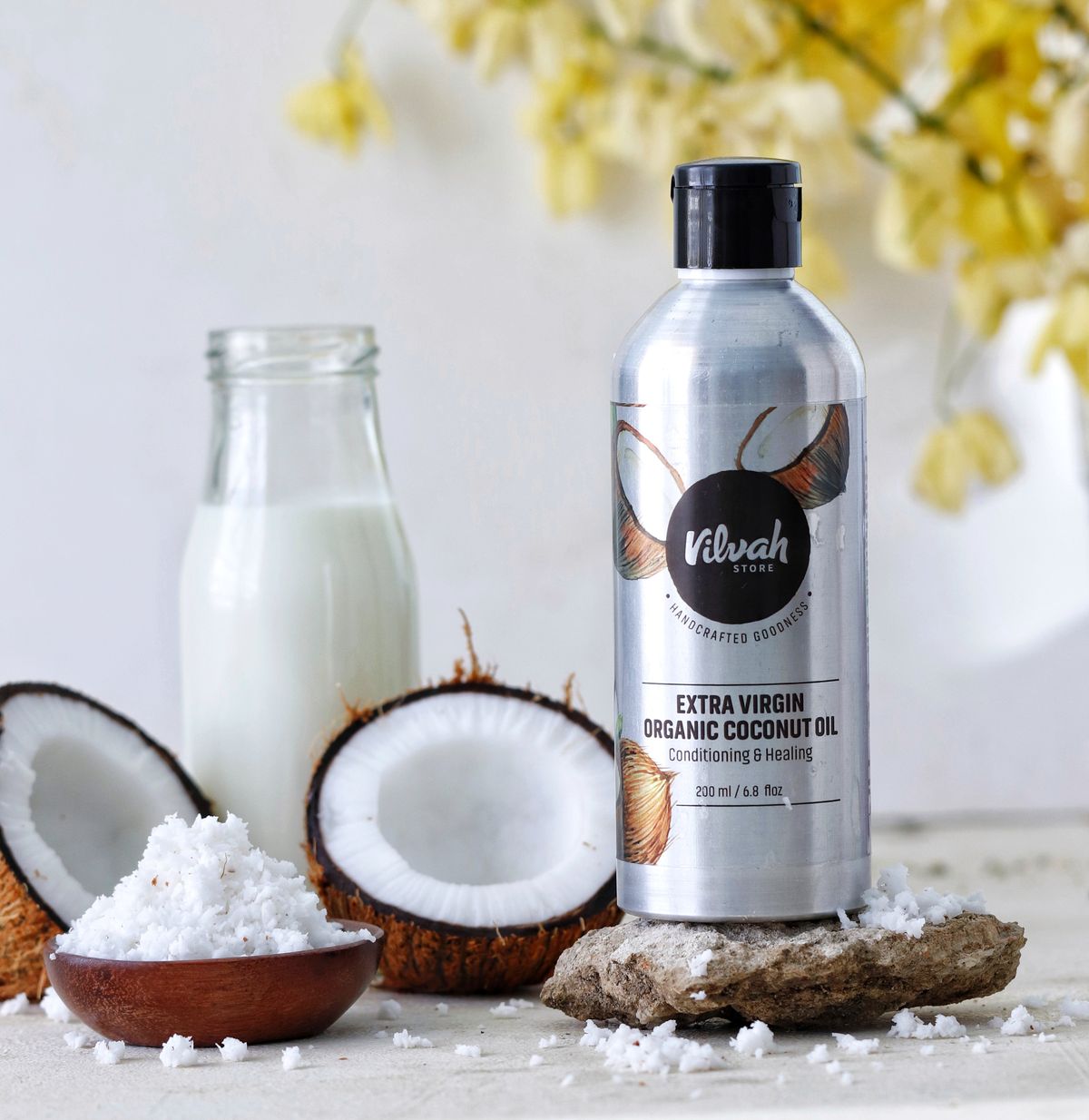
Why we picked it: This is a clean, USDA-organic, cold-pressed extra-virgin coconut oil — exactly the grade you want for pulling. It’s unrefined, so it keeps the lauric acid behind the antibacterial benefit, and it has that mild, pleasant coconut taste that makes 15 minutes of swishing genuinely comfortable. One big jar lasts for months of daily pulls, and it doubles for skin, hair, and cooking.
- Type: Extra-virgin (unrefined)
- Size: 32 fl oz (big jar)
- Purity: 100% pure, organic
- Process: Cold-pressed, non-GMO
- Best for: Daily oil pulling
- Also great for: Skin, hair, cooking
- ✅ Unrefined & organic — keeps natural lauric acid
- ✅ Mild, pleasant taste — easy to swish for 15+ minutes
- ✅ Big value jar — months of daily pulling
- ✅ Multi-use — pulling, skin, hair, kitchen
- ✅ Non-GMO, cold-pressed, single ingredient
Check the latest price & reviews on Amazon. Price and availability can change.
Best for: anyone starting a daily oil-pulling habit who wants one clean, organic jar that also works on skin, hair, and in the kitchen.
🤝 Affiliate disclosure: As an Amazon Associate we earn from qualifying purchases. If you buy through our links, we may earn a small commission at no extra cost to you. We only recommend products we’d use ourselves.
Three great coconut oils for pulling, compared
All three are unrefined and pulling-friendly. Choose by your priority — overall quality, biggest value jar, or a versatile all-rounder.
| Product | Best for | Type | Highlight | Buy |
|---|---|---|---|---|
| Nature’s Way Organic EV | Best overall | Extra-virgin | Clean taste, big organic jar | Check on Amazon |
| NaturaleBio Organic Virgin | Best big-jar value | Raw, cold-pressed | 32 oz, great for daily users | Check on Amazon |
| Parachute Naturalz Organic Virgin | Best all-rounder | Virgin, unrefined | Made for pulling, hair & cooking | Check on Amazon |
Oil Pulling vs Mouthwash: How Do They Compare?
A common question is whether oil pulling can replace your regular mouthwash. They overlap, but they’re not the same tool. Mouthwash is fast and often contains active ingredients (like fluoride or antiseptics) designed for specific jobs. Oil pulling is slow, gentle, and chemical-free, and it relies on time and lauric acid rather than a strong active. Here’s an honest side-by-side.
| Feature | Coconut oil pulling | Regular mouthwash |
|---|---|---|
| Time needed | 10–20 minutes | 30–60 seconds |
| Fights bad breath | ✅ Yes (well-reviewed) | ✅ Yes |
| Reduces plaque | ✅ Modestly, over weeks | ✅ Yes (antiseptic types) |
| Chemical-free / natural | ✅ Single ingredient | ⚠️ Often has additives/alcohol |
| Contains fluoride | ❌ No | ✅ Some do |
| Cost per use | ✅ Very low | Moderate |
| Feeling after | Smooth, “clean” mouth | Sharp, minty, sometimes drying |
The takeaway: oil pulling is a lovely natural complement, especially if you dislike the sting of alcohol mouthwash. But if your dentist recommends a fluoride rinse for cavity protection, keep using it — oil pulling doesn’t provide fluoride. Many people happily do both: pull in the morning, fluoride rinse at night. When in doubt, ask your dentist what’s right for your teeth. Curious which coconut oil suits your whole routine? Try our 60-second quiz.
What to Expect: A Week-by-Week Timeline
Results build gradually, so knowing what’s normal helps you stick with it. Here’s a realistic picture of a daily practice.
- Days 1–3: The texture feels strange and 10 minutes drags. Your jaw may tire — that’s normal. Start short and build up. You might already notice slightly fresher breath.
- Week 1: Swishing feels natural now. Most people report the clearest change here: fresher breath and a smoother, cleaner mouth in the mornings.
- Weeks 2–3: Some notice less plaque at the gumline and calmer-looking gums. Teeth may feel a touch cleaner to your tongue.
- Week 4 and beyond: The habit is locked in. Benefits plateau into a steady “maintenance” level — a fresher, cleaner mouth that you keep as long as you keep pulling.
If you’ve done a solid four weeks and feel nothing, it’s okay to stop — oil pulling is optional, and not everyone responds the same way. Keep brushing and flossing regardless; those are the non-negotiables.
Common Oil-Pulling Mistakes (and Fixes)
- Mistake: Swishing too hard.
✅ Fix: Keep it gentle. Vigorous gargling tires your jaw and isn’t needed — a relaxed push-and-pull is enough. - Mistake: Spitting it down the sink.
✅ Fix: Always spit into the trash or an old jar. Coconut oil solidifies and can clog drains. - Mistake: Swallowing the oil.
✅ Fix: Never swallow — it’s now full of bacteria. Spit it all out. - Mistake: Using too much oil.
✅ Fix: A tablespoon max. Too much makes your mouth feel overfull; start with a teaspoon or two. - Mistake: Skipping brushing after.
✅ Fix: Oil pulling is a bonus. Always brush and floss afterward. - Mistake: Expecting it to fix cavities.
✅ Fix: It can’t. See a dentist for pain, decay, or gum disease.
Oil pulling does not replace brushing, flossing, or dental visits, and it cannot treat cavities or gum disease. If you have a nut allergy, check with your doctor, since coconut is sometimes grouped with tree nuts for labeling. This is general education, not dental advice — read our full wellness disclaimer.
Who Should Be Careful
Oil pulling is low-risk for most healthy adults, but a few groups should skip it or check first: young children (they may swallow the oil or choke), anyone with a coconut/nut allergy, and people with active dental problems who need real treatment first. If you feel jaw pain from the swishing, shorten your sessions. And remember — if pulling ever replaces brushing, it’s doing more harm than good.
Pro Tips From Our Editors
- 💡 Pull in the shower. The 15 minutes disappear when you’re doing something else.
- 💡 Add one drop of food-grade peppermint oil for a minty pull (optional, and only food-grade).
- 💡 Keep a small spit jar by the sink so you never risk the drain.
- 💡 Scrape your tongue after to lift loosened debris, then brush.
- 💡 Be consistent, not extreme. Daily 10 minutes beats a rare 25-minute marathon.
- 💡 Store the jar cool so the oil stays fresh and mild-tasting.
Real-Life Examples (What People Report)
- “My morning breath is gone.” The most common review — fresher breath within a week is the headline benefit.
- “My teeth feel dentist-clean.” That smooth, filmless feeling keeps people hooked.
- “My gums look less puffy.” Some users notice calmer gums after a few weeks of daily pulling.
- “It did nothing dramatic — but it’s a nice ritual.” Honest and common: a pleasant add-on, not a miracle.
Frequently Asked Questions
Does coconut oil pulling actually whiten teeth?
Not through bleaching. It can reduce surface plaque and stains over time, so some people feel their teeth look a touch brighter — but it won’t dramatically whiten. For real whitening, use proven methods and ask your dentist.
How long should I oil pull?
10–20 minutes once a day. Ten minutes gives real benefit; twenty is the traditional target. Start at 5 minutes and build up. Consistency matters more than hitting the full twenty.
Can oil pulling replace brushing?
No. It’s an add-on, not a substitute. Always brush and floss afterward. Oil pulling helps with breath and plaque, but brushing and flossing (and your dentist) do the essential work.
Should I oil pull before or after brushing?
Before. Pull first thing in the morning on an empty stomach, spit into the trash, rinse, then brush as normal.
Why can’t I spit it in the sink?
Coconut oil hardens as it cools and can build up in your pipes over time. Always spit into the trash or an old jar you can throw away.
Is oil pulling safe every day?
For most healthy adults, yes — daily is fine and how most people use it. Avoid it with young children, a coconut allergy, or active dental problems, and stop if it causes jaw pain.
Your Quick-Start Checklist
- Use unrefined, organic virgin coconut oil
- Pull first thing in the morning, empty stomach
- Use about 1 tablespoon (start with a teaspoon)
- Swish gently for 10–20 minutes
- Spit into the trash, never the sink
- Rinse, then brush and floss as normal
- Do it daily and give it 2–4 weeks
- Never swallow the oil; see a dentist for real problems
The Bottom Line
Coconut oil pulling is a cheap, gentle, pleasant habit that can freshen breath, cut plaque, and leave your mouth feeling genuinely clean. It’s not magic and it won’t replace brushing, flossing, or your dentist — but as a calming morning ritual with real, if modest, benefits, it earns its place. Use a clean virgin coconut oil, swish for 10–20 minutes, spit in the trash, and brush after.
Ready to start? Our pick, Nature’s Way Organic Extra-Virgin Coconut Oil, is an easy, organic jar that lasts for months of pulling. Swish tomorrow morning and see how your mouth feels.
👉 Best coconut oil buying guide · Coconut oil for skin · Coconut oil for hair · Take the 60-second oil quiz