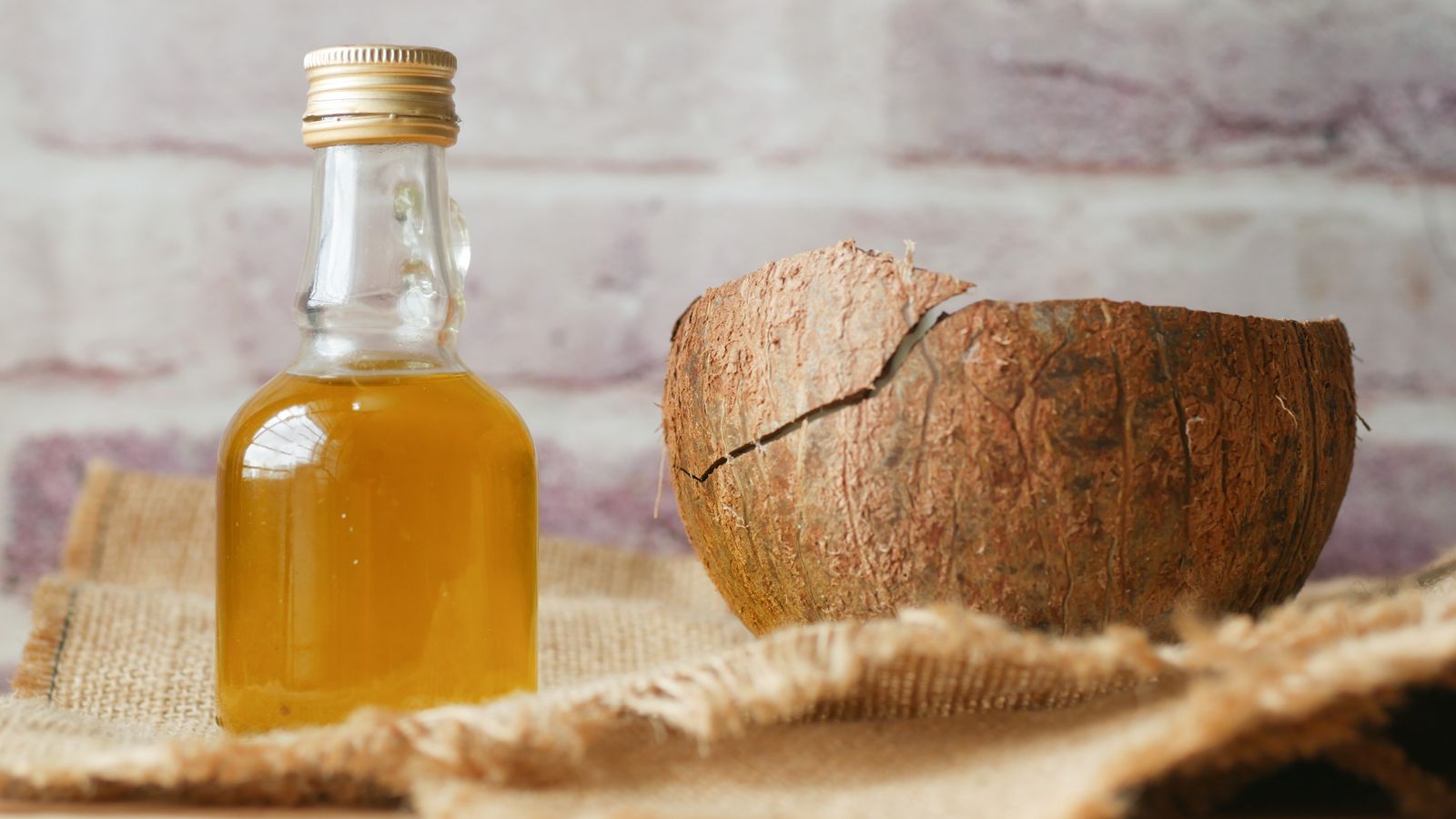
Can coconut oil really help you lose weight? You’ve probably seen the bold claims — “melts belly fat,” “boosts metabolism,” “burns calories.” The truth is more nuanced and a lot more honest. This guide separates the real, modest science from the hype so you can decide whether coconut oil (or its cousin, MCT oil) has any place in your weight goals.
Coconut oil is not a magic weight-loss food. It’s calorie-dense (about 120 calories per tablespoon) and high in saturated fat. Some research on MCTs (medium-chain triglycerides, found in coconut oil) suggests a small effect on appetite and metabolism, but the impact is modest. Any real weight loss still comes down to overall diet, calories, and activity — not one oil.
Below we’ll look at what MCTs actually do, what the research really shows, how to use coconut or MCT oil sensibly, and the honest risks. No hype — just a clear-eyed guide.
Does Coconut Oil Actually Help With Weight Loss?
Let’s be straight: coconut oil will not “melt fat” on its own, and no food does. It’s a pure fat with roughly 120 calories per tablespoon — the same ballpark as other oils. If you simply add coconut oil on top of your normal diet, you add calories, which works against weight loss, not for it.
Where the interesting (and genuinely researched) part comes in is a specific type of fat in coconut oil called medium-chain triglycerides (MCTs). MCTs are metabolized differently from the long-chain fats in most oils, and a handful of studies suggest they may slightly increase the feeling of fullness and give a small bump to calorie burning. “Slightly” and “small” are the operative words.
So the realistic picture is this: coconut oil isn’t a weight-loss cure, but swapping some of your existing fats for it — or using a concentrated MCT oil — may offer a minor helping hand as part of an already-sensible diet. It’s a supporting actor, never the star.
The MCT Connection Explained
Coconut oil is nature’s richest food source of MCTs — but here’s a nuance most headlines skip: coconut oil is only about 50–65% MCTs, and much of that is lauric acid, which behaves partly like a longer-chain fat. That’s why researchers studying weight effects usually use concentrated MCT oil (often labeled C8 or C8/C10), not regular coconut oil.
MCTs are absorbed quickly and sent to the liver, where they can be used for fast energy or turned into ketones. Two proposed benefits for weight management are:
- Appetite: some studies find MCTs modestly increase fullness, which could lead to eating a little less later.
- Energy expenditure: MCTs may cause a small, temporary rise in calorie burning compared with other fats.
The catch: these effects are small and don’t always translate into meaningful weight loss in the real world. If you want the researched compound specifically, a dedicated MCT oil delivers far more of it per spoon than a jar of coconut oil.
Coconut oil = tasty, versatile, ~50–65% MCTs, best for cooking and beauty. MCT oil = concentrated, flavorless, mixes into coffee/smoothies, closest to what the studies used. For weight-related use specifically, MCT oil is the more targeted choice.
What the Research Really Shows
Here’s the balanced summary. Some controlled studies have found that replacing other fats with MCTs led to small reductions in body weight and waist size over weeks to months. Other studies found little or no lasting effect. Reviews of the evidence tend to land on the same conclusion: MCTs may produce a minor benefit versus long-chain fats, but it’s not dramatic, and it isn’t a substitute for overall calorie control.
Importantly, most positive findings come from replacing existing fats with MCTs — not adding them on top. Add extra oil to your day and you add extra calories, which cancels any small metabolic edge. Coconut oil specifically (as opposed to purified MCT oil) has weaker evidence still, partly because of its lauric-acid content.
Treat coconut or MCT oil as a possible small assist inside a good diet — never as the reason the weight will come off. The fundamentals do the heavy lifting.
Coconut oil is high in saturated fat and very calorie-dense. It is not a treatment for obesity or any medical condition, and results vary from person to person. Before making big diet changes — especially if you have heart concerns, high cholesterol, diabetes, or are pregnant — talk to your doctor or a registered dietitian. This article is general education, not medical or nutritional advice. See our wellness disclaimer.
How to Use Coconut or MCT Oil Sensibly
If you’d like to try it, the key word is substitute, not add. Here’s the sensible approach:
- Swap, don’t stack. Use coconut or MCT oil in place of other fats you already use, so you don’t add calories.
- Start small. Begin with 1 teaspoon of MCT oil and build up slowly — too much too soon commonly causes stomach upset.
- Mind the total. Keep an eye on your overall calories; a “healthy” oil still counts.
- Pair it with the basics. Protein, fiber, whole foods, movement, and sleep matter far more than any oil.
- Be patient and realistic. Any effect is gradual and small.
A popular way to use MCT oil is a teaspoon blended into morning coffee. It can help you feel full into the late morning — just remember it replaces, not adds to, your usual breakfast calories.
Best Oil for Weight-Conscious Use
For weight-related goals specifically, a concentrated MCT oil is the most targeted choice because it delivers the researched fats without the extra flavor or lauric acid. Here’s our editors’ pick.
Nutiva Organic MCT Oil (C8 & C10)
TOP MCT
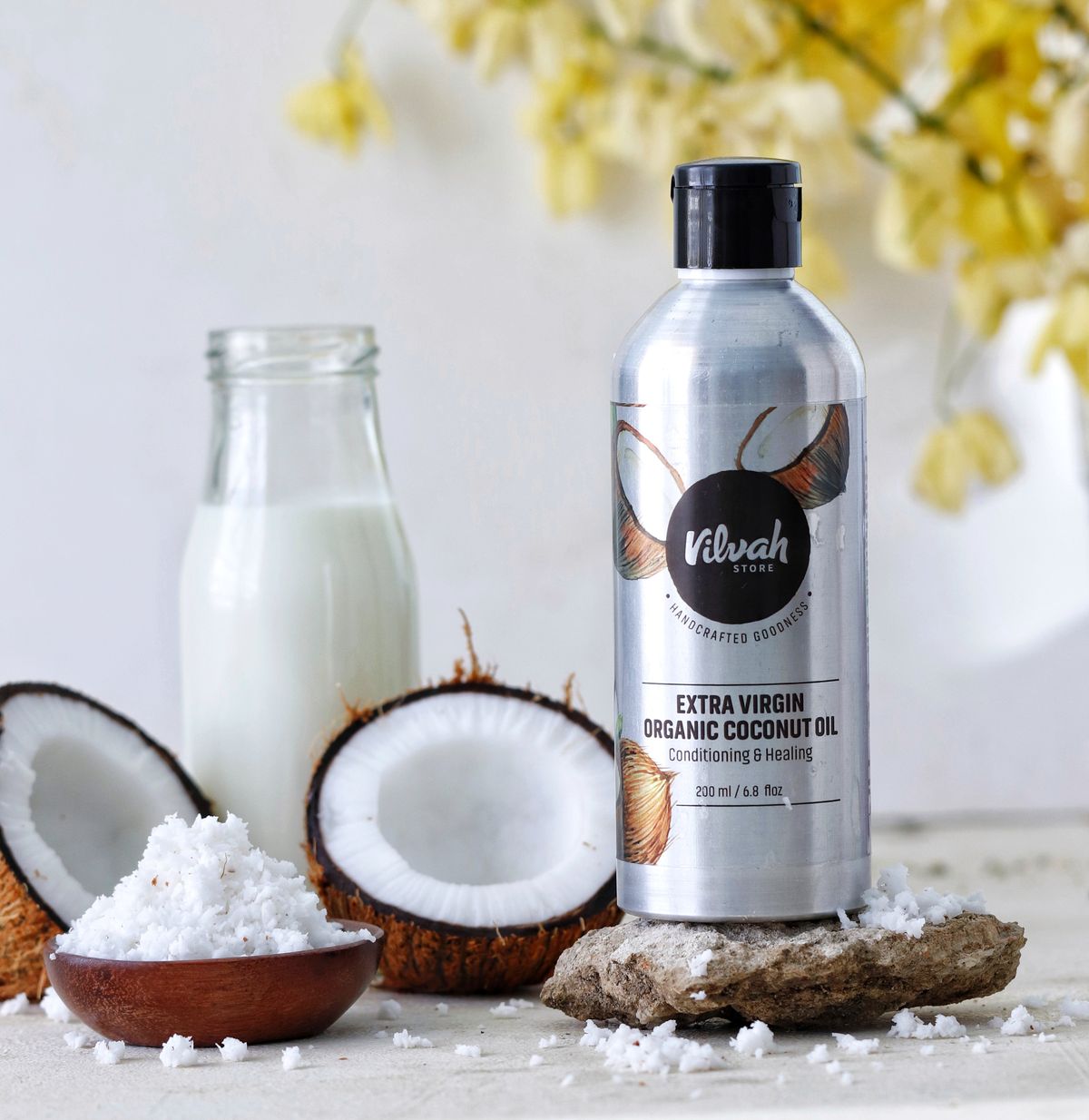
Why we picked it: This organic MCT oil is derived from coconut and concentrated to the C8/C10 fats used in most research — flavorless, colorless, and easy to blend into coffee, smoothies, or dressings. It’s the most targeted way to try MCTs for appetite and energy, without the calorie stacking that comes from simply adding coconut oil to meals. Start with a teaspoon and build up.
- Type: MCT oil (C8/C10)
- Source: Coconut-derived
- Taste: Neutral, mixes easily
- Best for: Coffee, smoothies
- Certifications: USDA Organic
- Use: Start 1 tsp, build up
- ✅ Concentrated MCTs — closest to research
- ✅ Flavorless — blends into any drink
- ✅ Organic & coconut-derived
- ✅ Great for “bulletproof” coffee
- ✅ Easy to portion and control
Check the latest price & reviews on Amazon. Price and availability can change.
Best for: anyone who wants to try MCTs for appetite and energy as part of a sensible diet — not a quick fix.
🤝 Affiliate disclosure: As an Amazon Associate we earn from qualifying purchases. If you buy through our links, we may earn a small commission at no extra cost to you. We only recommend products we’d use ourselves.
Two more options, compared
Prefer real coconut oil, or want a second MCT choice? Here’s a quick comparison.
| Product | Best for | Type | Note | Buy |
|---|---|---|---|---|
| Nutiva Organic MCT Oil | Targeted MCT use | C8/C10 MCT | Flavorless, coffee-friendly | Check on Amazon |
| Nature’s Way MCT Oil | Budget MCT option | MCT | Solid everyday value | Check on Amazon |
| Nature’s Way Organic Virgin Coconut Oil | Whole-food swap | Virgin coconut | Versatile; ~50–65% MCTs | Check on Amazon |
Realistic Expectations
Here’s what a fair, honest outcome looks like if you try MCT or coconut oil the right way — as a substitute, alongside a good diet:
- Appetite: you might feel a bit fuller between meals, which can make eating less easier.
- Energy: some people report steadier morning energy from MCT coffee.
- Scale: any weight effect is small and slow, and only shows up when your overall calories are in check.
- No magic: if the rest of your diet isn’t working, an oil won’t rescue it.
If you want a bigger-picture look at coconut oil’s grades and uses first, see our best coconut oil buying guide and how it compares to other fats in coconut oil vs olive oil.
Risks & Downsides to Know
- Calorie density. At ~120 calories per tablespoon, it’s easy to overdo — added calories undo any benefit.
- Saturated fat. Coconut oil is high in it; those watching cholesterol or heart health should be cautious and favor unsaturated oils.
- Digestive upset. Too much MCT oil, too fast, commonly causes cramps or loose stools. Start low.
- False confidence. Believing an oil “handles” weight loss can crowd out the habits that actually work.
Common Mistakes (and Fixes)
- Adding oil on top of your diet.
✅ Fix: Substitute it for fats you already eat so you don’t add calories. - Taking too much MCT oil at once.
✅ Fix: Start with 1 teaspoon and increase slowly to avoid stomach upset. - Expecting coconut oil to equal MCT oil.
✅ Fix: For targeted use, choose a concentrated C8/C10 MCT oil. - Ignoring the basics.
✅ Fix: Prioritize protein, fiber, whole foods, movement, and sleep. - Chasing “detox” or “fat-melting” claims.
✅ Fix: Ignore hype; rely on overall calorie balance.
Frequently Asked Questions
Does coconut oil burn belly fat?
No food specifically burns belly fat, and coconut oil is no exception. Some MCT research shows small effects on appetite and metabolism, but spot-reducing fat isn’t possible. Overall calorie balance determines fat loss.
Should I take coconut oil before meals to lose weight?
There’s no strong evidence that a spoonful before meals causes weight loss, and it adds calories. If you try MCTs, substitute them for other fats rather than adding them, and keep portions small.
Is MCT oil better than coconut oil for weight loss?
For weight-related goals specifically, MCT oil is more targeted because it’s concentrated in the C8/C10 fats used in research. Coconut oil is more versatile for cooking and beauty but a weaker choice for this purpose.
How much coconut or MCT oil should I use?
Start small — about 1 teaspoon of MCT oil — and increase slowly to avoid digestive upset, keeping your total daily calories in mind. More is not better.
Can coconut oil raise cholesterol?
Yes, it can raise both HDL and LDL cholesterol due to its saturated fat. If cholesterol or heart health is a concern, talk to your doctor and favor unsaturated oils like olive oil for daily use.
Will coconut oil work without diet and exercise?
No. Any benefit is small and only appears alongside a sensible diet and activity. Coconut oil is a minor supporting player, not a stand-alone solution.
Your Sensible-Use Checklist
- Substitute coconut/MCT oil for other fats — don’t add
- Choose concentrated MCT oil for targeted use
- Start with 1 teaspoon and build up slowly
- Keep your total daily calories in check
- Prioritize protein, fiber, whole foods & movement
- Expect small, gradual effects at most
- Check with a doctor or dietitian for big changes
- Ignore “fat-melting” hype
The Bottom Line
Coconut oil is not a weight-loss miracle — and any honest guide will tell you so. Its MCTs may offer a small, researched assist with appetite and energy, best captured by a concentrated MCT oil used in place of other fats. But the real work of weight management is done by your overall diet, calories, activity, and consistency. Use coconut or MCT oil as a small, sensible tool if you like the taste and feel — and keep your expectations grounded.