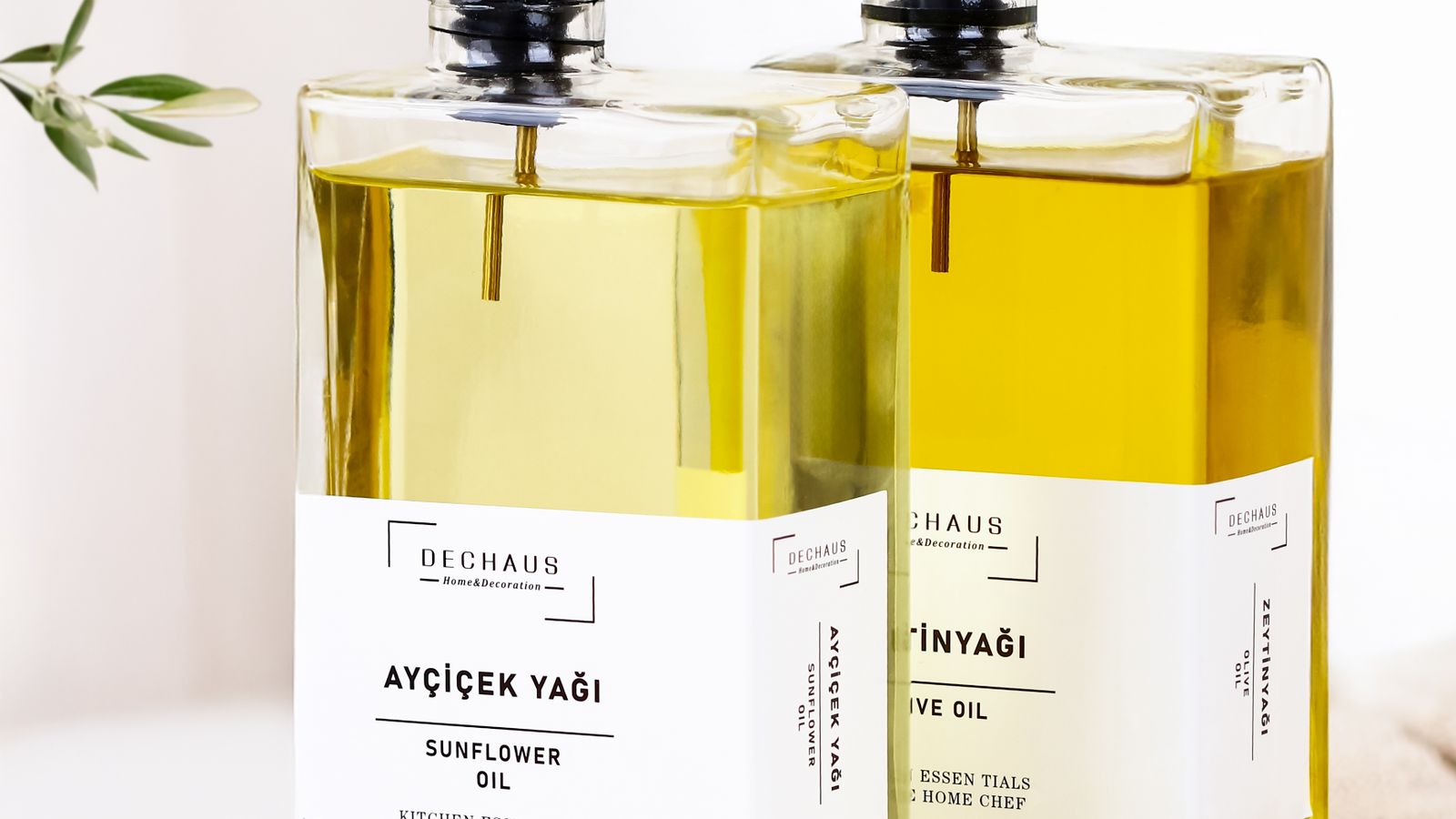
Two of the most popular kitchen oils, side by side: coconut oil vs olive oil. One is a tropical saturated fat with a high-heat streak; the other is a Mediterranean icon celebrated for heart health. So which is better for cooking, for your heart, and for your skin? Here’s the honest, evidence-aware comparison — with a clear winner for each job.
For everyday health and heart benefits, extra-virgin olive oil wins — it’s rich in heart-friendly monounsaturated fats and antioxidants. For high-heat cooking, baking, and beauty uses (skin, hair, oil pulling), coconut oil has the edge. Most kitchens are best off owning both and using each for what it does best.
Below we compare them on nutrition, heart health, cooking performance, taste, skin and hair use, price, and shelf life — then give you a simple “which to choose” guide and our top pick for each. Let’s settle it.
Coconut Oil vs Olive Oil: At a Glance
Before the deep dive, here’s the head-to-head summary. Both are excellent oils — they simply excel at different things.
| Feature | 🥥 Coconut oil | 🫒 Olive oil (EVOO) |
|---|---|---|
| Main fat type | Saturated (~90%) | Monounsaturated (~73%) |
| Heart reputation | Mixed / use in moderation | ✅ Heart-friendly |
| Antioxidants | Low | ✅ High (polyphenols) |
| Smoke point | ~350–400°F | ~375°F (EVOO) |
| Best cooking | Baking, high-heat frying | Sauté, dressings, finishing |
| Taste | Sweet, coconutty (virgin) | Fruity, peppery |
| Skin & hair use | ✅ Excellent | Good, heavier |
| Solid or liquid | Solid below 76°F | Always liquid |
Nutrition: How They Compare
Both oils are pure fat with about 120 calories per tablespoon, so the difference isn’t calories — it’s the type of fat.
Coconut oil is roughly 90% saturated fat, much of it lauric acid. Saturated fat is stable and great for cooking, but most health authorities recommend limiting it. Olive oil is about 73% monounsaturated fat (mainly oleic acid), the kind linked to heart benefits, plus it carries polyphenol antioxidants and vitamin E that coconut oil largely lacks.
In short: gram for gram, olive oil has the more favorable fat profile for daily health, while coconut oil’s saturated fats make it a better performer for certain cooking and beauty tasks. If you’re comparing grades first, our best coconut oil guide explains virgin vs refined.
Heart & Health: The Honest Picture
This is where olive oil pulls ahead. Decades of research — much of it from Mediterranean-diet studies — links extra-virgin olive oil to better heart health, lower inflammation, and healthier cholesterol patterns. It’s one of the most consistently recommended oils by dietitians.
Coconut oil is more debated. It can raise HDL (“good”) cholesterol, but it also tends to raise LDL (“bad”) cholesterol because of its high saturated-fat content. Major heart associations advise using it sparingly rather than as your main fat. It isn’t “bad” — but it isn’t the heart-health champion some marketing suggests.
If your primary goal is heart health, make extra-virgin olive oil your everyday oil — and enjoy coconut oil as a flavorful, high-heat, or beauty specialist.
Coconut oil is high in saturated fat. If you have high cholesterol or heart concerns, favor olive oil for daily cooking and use coconut oil in moderation. This is general education, not medical advice — see our wellness disclaimer, and talk to your doctor about your needs.
Cooking Performance
Here the two oils trade blows depending on the dish. Neither is universally better in the kitchen.
Where coconut oil wins
Refined coconut oil handles high-heat frying and roasting well and stays shelf-stable for ages. Virgin coconut oil is a baking star — it adds moisture and a gentle sweetness to cookies, cakes, and granola, and it’s a great dairy-free butter swap. Its solid-at-room-temperature texture is perfect for pastry and no-bake treats. Learn more in our cooking with coconut oil guide.
Where olive oil wins
Extra-virgin olive oil is unbeatable for sautéing, salad dressings, drizzling, and finishing dishes. Its fruity, peppery flavor elevates Mediterranean cooking, roasted vegetables, and bread. It’s the better choice when you want the oil’s own taste to be part of the dish.
Baking, tropical dishes, high-heat frying → coconut oil. Salads, sautés, drizzling, Mediterranean food → olive oil. Owning both means you always have the right tool.
Taste & Flavor
Flavor is a big, often-overlooked difference. Virgin coconut oil brings a mild, sweet, tropical note that’s lovely in baked goods and curries but out of place in a vinaigrette. Refined coconut oil is neutral. Olive oil, especially extra-virgin, has a savory, fruity, sometimes peppery character that shines raw — think dipping bread or finishing pasta. Choose based on whether you want the oil to add flavor or stay invisible.
Skin & Hair: Which Is Better?
For beauty uses, coconut oil is the more popular pick. It’s an excellent natural moisturizer, a deep-conditioning hair treatment, and a gentle makeup remover, and it’s the classic oil for oil pulling. Olive oil can moisturize too, but it’s heavier and greasier on skin and hair, and its scent is stronger. For a lighter feel, many people prefer coconut oil (or a fractionated coconut oil) for the body. See our full coconut oil for skin guide.
Our Top Picks: One of Each
The smartest move is to keep a quality version of both. Here are the two jars our editors recommend.
Nature’s Way Organic Extra-Virgin Coconut Oil
TOP COCONUT
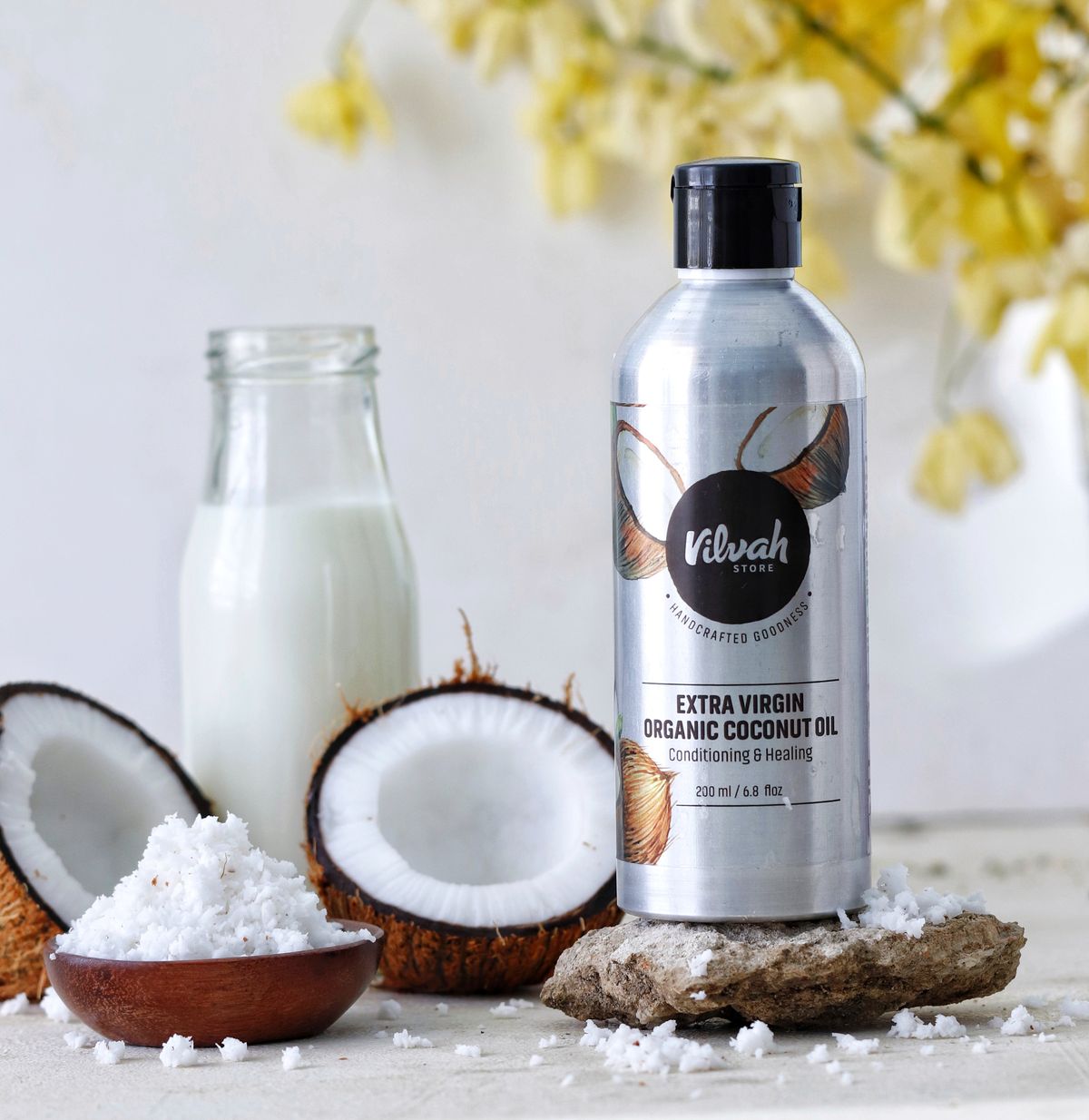
Why we picked it: A clean, USDA-organic, cold-pressed extra-virgin coconut oil that’s mild enough for baking and gentle on skin and hair. One big jar covers cooking, beauty, and oil pulling, making it a versatile companion to your olive oil.
- Type: Extra-virgin
- Best for: Baking, beauty, high-heat
- Purity: 100% organic
- Process: Cold-pressed, non-GMO
Check the latest price & reviews on Amazon.
Premium Extra-Virgin Olive Oil (Cold-Pressed)
TOP OLIVE
Why we picked it: A robust, cold-pressed extra-virgin olive oil with the fruity, peppery character and polyphenols that make EVOO a heart-healthy daily staple. Ideal for salads, sautéing, drizzling, and finishing — everything coconut oil isn’t built for.
- Type: Extra-virgin
- Best for: Salads, sauté, finishing
- Fat: Monounsaturated-rich
- Process: Cold-pressed
Check the latest price & reviews on Amazon.
🤝 Affiliate disclosure: As an Amazon Associate we earn from qualifying purchases. If you buy through our links, we may earn a small commission at no extra cost to you. We only recommend products we’d use ourselves.
Which Should You Choose?
Match the oil to your main goal:
- Heart health & daily cooking → Olive oil. Its monounsaturated fats and antioxidants make it the everyday winner.
- Baking & dairy-free recipes → Coconut oil, for moisture and structure.
- High-heat frying & roasting → Refined coconut oil (or avocado oil) for the higher smoke point.
- Salads, dips & drizzling → Extra-virgin olive oil, every time.
- Skin, hair & oil pulling → Coconut oil, hands down.
- Weight goals → Neither is magic; see our coconut oil & weight loss guide.
Price, Shelf Life & Storage
Cost and keeping quality are practical tie-breakers that many comparisons skip. Here’s how the two oils stack up in the real world of your pantry.
Price
Both oils span a wide price range depending on quality. Basic refined coconut oil and everyday olive oil are similarly affordable. Where prices climb is at the premium end: a single-origin, cold-pressed extra-virgin olive oil can cost noticeably more than an organic virgin coconut oil, largely because good EVOO is harvested, pressed, and bottled with tight timelines to protect its flavor and polyphenols. For everyday use, both can fit a modest budget — buy the best grade you can comfortably afford, since you’ll taste the difference.
Shelf life
Coconut oil is the clear winner for longevity. Its saturated fats resist rancidity, so an unopened jar can last around two years, and even opened it stays good for many months in a cupboard. Olive oil is more delicate: exposure to light, heat, and air degrades it, and it’s best used within about a year of opening. If you cook infrequently, coconut oil’s staying power is a real advantage.
Storage
Store both away from the stove’s heat and out of direct light. Coconut oil is happy in a sealed jar in the pantry and will simply firm up or melt with the seasons. Olive oil does best in a dark bottle or a cupboard, tightly capped, so its antioxidants and flavor last. A clean, dry spoon (for coconut oil) and a good pour spout (for olive oil) keep both fresh longer.
5 Common Myths, Cleared Up
Both oils attract big claims. Here’s the reality behind the most common ones.
- Myth: “Coconut oil is a superfood that lowers heart-disease risk.”
✅ Reality: It’s a flavorful, versatile fat, but its high saturated-fat content means it’s best used in moderation, not as a heart tonic. - Myth: “Olive oil can’t be cooked with.”
✅ Reality: Extra-virgin olive oil is perfectly good for most home sautéing and roasting; its smoke point (~375°F) covers the vast majority of everyday cooking. - Myth: “Saturated fat and monounsaturated fat are basically the same.”
✅ Reality: They behave differently in the body; monounsaturated fat (olive oil) has the stronger track record for heart health. - Myth: “You must pick one and stick with it.”
✅ Reality: Using both — each for what it does best — is the most practical and delicious approach. - Myth: “More expensive always means healthier.”
✅ Reality: Price often reflects flavor, origin, and processing, not a dramatic health upgrade. A mid-priced quality oil is usually plenty.
Frequently Asked Questions
Is coconut oil or olive oil healthier?
For general and heart health, extra-virgin olive oil is considered healthier thanks to its monounsaturated fats and antioxidants. Coconut oil is higher in saturated fat and best used in moderation.
Which is better for cooking?
It depends on the dish. Coconut oil is great for baking and high-heat frying; olive oil is better for sautéing, dressings, and finishing. Many cooks keep both.
Can I substitute coconut oil for olive oil?
In baking, yes — usually 1:1. In savory cooking, use refined coconut oil to avoid adding coconut flavor, or simply stick with olive oil where its taste belongs.
Which is better for skin and hair?
Coconut oil is generally preferred — it’s a lighter, popular moisturizer and deep hair conditioner. Olive oil works but feels heavier and greasier.
Does coconut oil raise cholesterol?
It can raise both HDL and LDL cholesterol due to its saturated fat. If cholesterol is a concern, favor olive oil for daily use and enjoy coconut oil sparingly.
Which lasts longer?
Coconut oil is more shelf-stable and resists rancidity for a year or two. Olive oil is best used within a year of opening and kept away from light and heat.
The Verdict
There’s no single winner — there’s a winner for each job. Olive oil takes everyday health, heart benefits, and Mediterranean cooking. Coconut oil takes baking, high-heat frying, and beauty. The best kitchens keep both: a bottle of extra-virgin olive oil for daily cooking and salads, and a jar of organic virgin coconut oil for baking, frying, and beauty. Use each for what it does best and you get the benefits of both.