
Can dogs have coconut oil? You’ve probably seen it recommended for shinier coats, itchy skin, and cracked paws — but is it actually safe, and how much is too much? This honest, vet-aware guide covers the real benefits, the right amounts, the genuine risks, and the best coconut oil for your dog (and cat), so you can decide with confidence.
For most healthy dogs, a small amount of plain, unrefined virgin coconut oil is generally considered safe and can help skin and coat, especially applied topically. But it’s high in fat, so it’s easy to overdo — start tiny, watch for tummy upset, and always check with your vet first, particularly if your dog is overweight or prone to pancreatitis.
This article is general information, not veterinary advice. Every pet is different. Coconut oil is high in saturated fat and can trigger digestive upset or, in susceptible dogs, contribute to pancreatitis. Before adding it to your pet’s diet — especially for puppies, seniors, overweight pets, or those with health conditions — ask your veterinarian what’s appropriate.
Is Coconut Oil Safe for Dogs?
In general, yes — plain, unrefined coconut oil is considered non-toxic to dogs and is safe for most in small amounts. Many owners use it both on the skin and as an occasional food topper. The key words are “small” and “plain”: you want 100% pure virgin coconut oil with no added flavors, sweeteners, or essential oils.
That said, “safe” doesn’t mean “unlimited” or “right for every dog.” Coconut oil is almost entirely fat, and too much fat can cause loose stools, an upset stomach, or weight gain — and in dogs prone to it, a bout of pancreatitis, which is serious. That’s why the sensible approach is to start with a tiny amount, introduce it slowly, and get your vet’s okay first.
Topical use (on the skin and coat) is generally lower-risk than feeding it, because none of the fat is being digested. Many people find the paws-and-coat uses the most reliable benefit.
Possible Benefits of Coconut Oil for Dogs
Let’s keep this honest: much of the evidence is anecdotal, and vets are divided on the dietary benefits. But there are a few uses owners consistently find helpful, mostly topical.
🐾 Skin and coat
Massaged into the coat in tiny amounts, coconut oil can help moisturize dry skin and add shine. Many owners use it on dry, flaky patches and to smooth a dull coat.
🐾 Cracked paws and dry nose
A dab rubbed into rough paw pads or a crusty nose can soften and soothe them. This is one of the most popular and lowest-risk uses.
🐾 Minor skin irritations
Some owners apply a thin layer to minor dry or itchy spots for comfort. It’s not a treatment for infections, hot spots, or allergies — see your vet for those.
🐾 A tasty, high-value treat
In moderation, a lick of coconut oil is a treat most dogs love, and it can be used to hide pills or as a food topper — just count it toward daily calories.
Think of coconut oil as a gentle coat-and-paw helper and occasional treat — not a supplement that will transform your dog’s health.
On the skin → generally low-risk and where benefits are clearest (paws, coat, dry patches). In the food → can work as a small treat, but adds fat and calories, so it needs more caution and a vet’s okay.
What Vets Actually Say
Veterinary opinion is mixed, and it’s worth being clear-eyed. Many vets consider small topical use harmless and even helpful for dry skin. On the dietary side, several veterinary sources are cautious: coconut oil is very high in saturated fat, the claimed metabolic benefits in dogs aren’t well proven, and feeding fatty foods can raise the risk of digestive upset or pancreatitis in some dogs.
The balanced takeaway: coconut oil is not a miracle supplement, and it isn’t necessary for a healthy dog on a complete diet. If you’d like to try it, do so conservatively and with your vet’s guidance — that’s the responsible path.
How to Use Coconut Oil on Dogs (and How Much)
Start low and go slow is the golden rule. These are commonly cited starting guidelines — but your vet’s advice for your specific dog comes first.
Topical use
- Warm a pea-sized amount between your fingers until it melts.
- Massage a thin layer into paws, nose, or a dry patch.
- Let it absorb for a few minutes; wipe off excess so your dog doesn’t lick a lot of it.
- Use occasionally — a few times a week is plenty.
Feeding (only with vet approval)
A frequently cited conservative starting point is about ¼ teaspoon per 10 lbs of body weight, once daily, worked up very gradually from an even smaller amount. Many dogs never need more than a small daily dab. Always begin with less than you think and watch for loose stools.
Start with a lick-sized amount for a few days and watch your dog’s stools and energy. Only increase slowly if all is well. If you see diarrhea, greasy stools, vomiting, or lethargy, stop and call your vet.
The Best Coconut Oil for Dogs
Choose 100% pure, unrefined virgin coconut oil — organic if possible, with no additives. A pet-formulated organic virgin oil takes the guesswork out and is portioned with pets in mind. Here’s our editors’ pick.
Raw Paws Organic Virgin Coconut Oil for Dogs & Cats
BEST FOR PETS
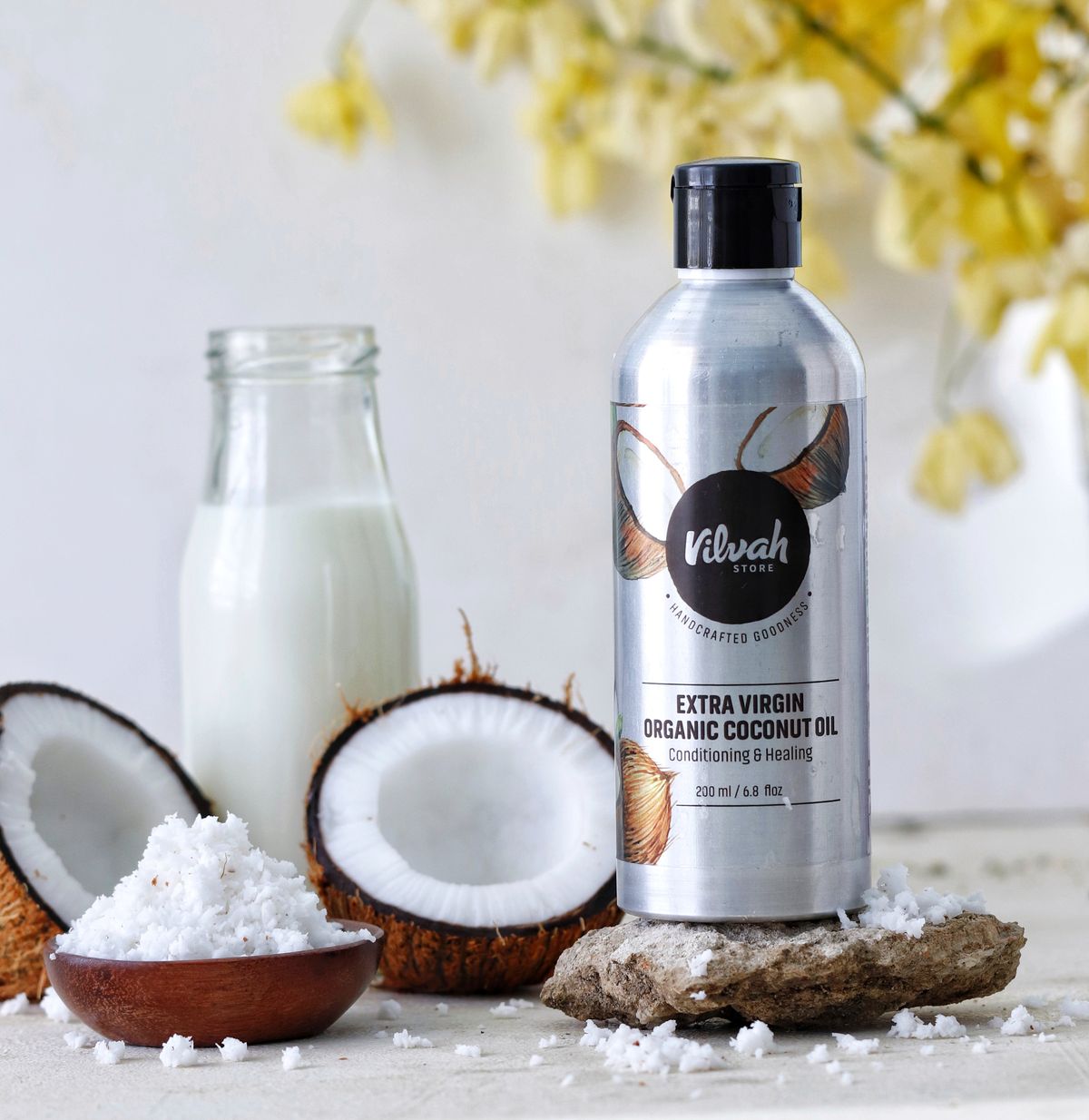
Why we picked it: This is a 100% pure, organic, cold-pressed virgin coconut oil made specifically for pets — exactly the clean, unrefined grade you want for a dog’s skin, coat, and paws. It’s food-grade and unscented, so it works topically and, with your vet’s okay, as an occasional small treat. No fillers, no additives, just single-ingredient coconut oil designed with dogs and cats in mind.
- Type: Virgin (unrefined)
- Made for: Dogs & cats
- Purity: 100% organic
- Process: Cold-pressed
- Best for: Coat, paws, dry skin
- Additives: None
- ✅ Pet-formulated organic virgin oil
- ✅ Single ingredient — no additives
- ✅ Topical & food-grade (vet-approved use)
- ✅ Great for coat, paws & dry patches
- ✅ Cold-pressed & unrefined
Check the latest price & reviews on Amazon. Price and availability can change.
Best for: owners who want a clean, pet-formulated coconut oil for their dog’s coat and paws.
🤝 Affiliate disclosure: As an Amazon Associate we earn from qualifying purchases. If you buy through our links, we may earn a small commission at no extra cost to you. We only recommend products we’d use ourselves.
Three good coconut oils for dogs, compared
A pet-specific jar is easiest, but a plain organic virgin coconut oil for humans works too, as long as it’s 100% pure and unscented.
| Product | Best for | Type | Note | Buy |
|---|---|---|---|---|
| Raw Paws Organic (for pets) | Best for pets | Virgin, pet-made | Portioned for dogs & cats | Check on Amazon |
| Nature’s Way Organic EV | Best multi-use jar | Extra-virgin | Big organic jar, human + pet | Check on Amazon |
| NaturaleBio Organic Virgin | Best big-jar value | Raw virgin | Economical for frequent use | Check on Amazon |
What About Cats and Other Pets?
Cats are trickier. Small topical use is usually fine, but cats are obligate carnivores with sensitive digestion, and many won’t tolerate added fat well — so feeding coconut oil to cats needs extra caution and a vet’s guidance. For small pets like rabbits or guinea pigs, skip dietary use entirely and ask an exotic vet before any topical use. When in doubt with any pet, the answer is the same: check with your veterinarian first.
Risks and When to Avoid It
- Pancreatitis risk. High-fat foods can trigger this painful, serious condition in susceptible dogs. Avoid coconut oil in dogs with a history of pancreatitis.
- Weight gain. It’s calorie-dense; extra fat adds up fast, especially in overweight pets.
- Digestive upset. Too much, too soon commonly causes greasy or loose stools.
- Allergies. Rare, but stop use if you see increased itching, redness, or GI signs.
- Not a cure. It won’t treat infections, parasites, allergies, or serious skin conditions — see your vet.
Vomiting, diarrhea, greasy stools, loss of appetite, lethargy, or belly pain after starting coconut oil. These can be signs of digestive upset or pancreatitis and need prompt veterinary attention.
Common Mistakes (and Fixes)
- Giving too much, too fast.
✅ Fix: Start with a lick-sized amount and increase very gradually, only with vet approval. - Using flavored or refined blends.
✅ Fix: Use 100% pure, unscented virgin coconut oil — nothing added. - Feeding an overweight or pancreatitis-prone dog.
✅ Fix: Avoid dietary use; ask your vet about topical only. - Letting your dog lick off a thick topical layer.
✅ Fix: Apply thin, rub in, and wipe the excess. - Treating it as medicine.
✅ Fix: See your vet for real skin or health problems.
Frequently Asked Questions
How much coconut oil can I give my dog?
A commonly cited conservative starting point is about ¼ teaspoon per 10 lbs of body weight daily, worked up slowly from less — but always confirm the right amount with your vet, since it depends on your dog’s size, weight, and health.
Is coconut oil good for a dog’s itchy skin?
A thin topical layer may soothe dry, flaky skin for some dogs, but it won’t treat allergies, infections, or hot spots. Persistent itching needs a vet visit to find the cause.
Can I put coconut oil on my dog’s paws?
Yes — softening cracked paw pads is one of the most popular and lowest-risk uses. Rub a small amount in and wipe off the excess so your dog doesn’t lick a lot of it.
Can coconut oil help my dog’s bad breath or teeth?
Evidence is limited. Some owners add a tiny amount to dental routines, but it’s not a substitute for proper dental care. Ask your vet about safe dental options.
Is coconut oil safe for cats?
Small topical use is usually okay, but cats’ sensitive digestion means feeding it needs extra caution. Check with your vet before giving any to a cat.
Can puppies have coconut oil?
Be especially cautious with puppies and always ask your vet first. Their digestive systems are delicate, and they don’t need added fat on a complete puppy diet.
Your Safe-Use Checklist
- Ask your vet before feeding coconut oil
- Use 100% pure, unrefined virgin oil, unscented
- Start tiny and increase very slowly
- Prefer topical use for paws, nose & coat
- Wipe off excess so your dog doesn’t over-lick
- Avoid in overweight or pancreatitis-prone dogs
- Watch for loose stools or upset and stop if seen
- Count any edible use toward daily calories
The Bottom Line
Coconut oil can be a gentle, pleasant helper for your dog’s coat, paws, and dry skin, and an occasional treat many dogs love — used in small amounts, with a plain virgin oil, and with your vet’s blessing. It’s not a miracle supplement, and it carries real risks (fat, calories, pancreatitis) if overused. Start with a pet-formulated organic option like Raw Paws Organic Virgin Coconut Oil, go slow, and let your veterinarian guide the amount.