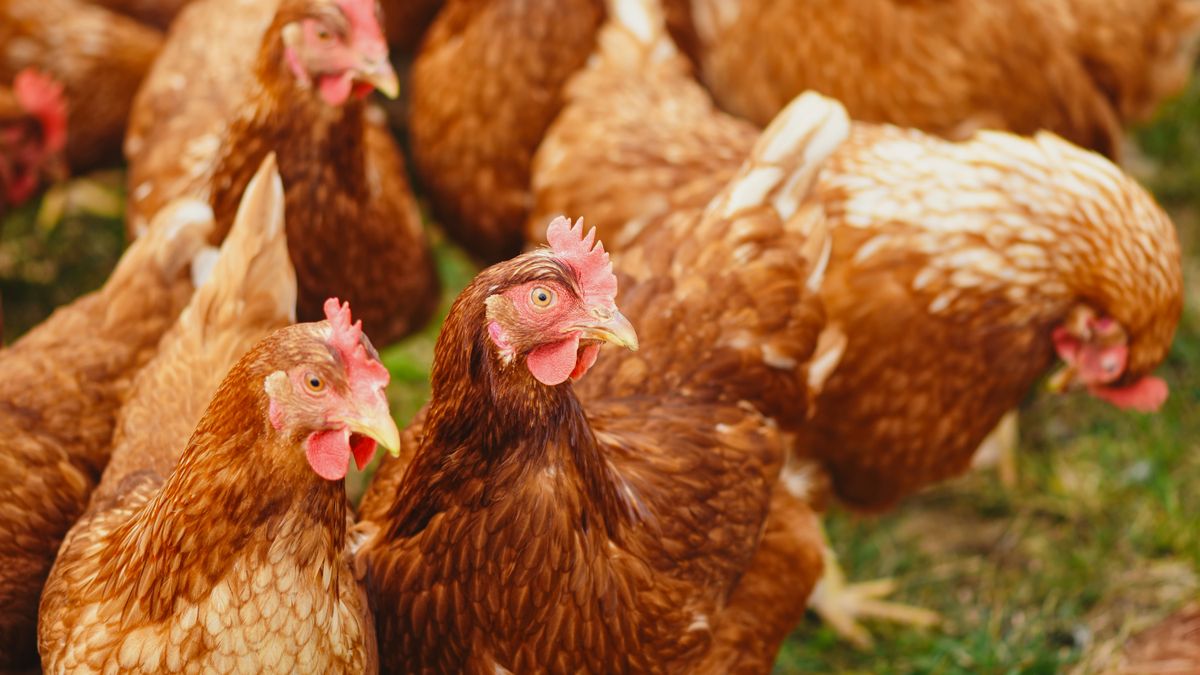
Backyard chicken keepers love a good natural remedy — and coconut oil for chickens is one of the most popular. From soothing scaly legs to shining up combs and adding a little healthy fat to the feed, this pantry staple has plenty of gentle uses in the coop. In this warm, practical guide, you’ll learn exactly how to use coconut oil for your flock, how much is safe, what it helps with, and — importantly — when to skip it and call an avian vet instead.
Coconut oil is a handy, natural helper around the coop. Rubbed on, it can soothe scaly leg mites, dry combs, and vent areas; in tiny amounts it’s a treat with healthy fats. Use it sparingly — a little goes a long way. It’s a supplement, not a cure: for illness, mites that won’t quit, or an injured bird, see a poultry/avian vet.
Below you’ll find the top uses, how to apply it, safe amounts for feeding, honest cautions, common mistakes, and the best coconut oil to keep in your coop kit. Let’s help your hens stay happy and healthy.
This is general information for backyard flock keepers, not veterinary advice. Chickens hide illness well, so a sick or injured bird needs a poultry or avian vet, not just a home remedy. Coconut oil can help with minor, everyday care — but don’t rely on it for serious problems, and always watch how your birds respond.
💡 Image suggestion: a healthy backyard hen standing in a sunny coop yard. Alt text: “A healthy backyard chicken, illustrating coconut oil uses for chickens.”
Top Uses for Coconut Oil in the Coop
Coconut oil earns its spot on the coop shelf because it’s versatile, natural, and gentle. Here’s a quick rundown of what flock keepers use it for — we’ll dig into the key ones below.
- 🦵 Scaly leg mites: Coating the legs can smother mites and soften crusty scales.
- ❄️ Dry combs & wattles: A thin rub moisturizes and can help protect against frostbite in cold snaps.
- 🥚 Vent care: A little dab can soothe a dry or slightly irritated vent area.
- 🪶 Feather & skin conditioning: Helps with dry, flaky skin spots.
- 🍽️ Healthy-fat treat: A tiny amount mixed into feed adds fat and can support energy, especially in winter.
- 🐔 Pasty butt (chicks): A dab helps gently clean and prevent stuck droppings on baby chicks.
The theme across all of these: coconut oil is soothing, moisturizing, and mildly antimicrobial — great for minor, everyday coop care. It’s a helper, not a miracle. Let’s look at how to actually use it.
Think of coconut oil as a gentle first-aid and conditioning tool for your flock — perfect for scaly legs, dry combs, and the occasional healthy treat, but never a substitute for a vet when a bird is truly unwell.
Coconut Oil for Scaly Leg Mites
This is the #1 reason backyard keepers reach for coconut oil, and it genuinely helps. Scaly leg mites burrow under the scales on a chicken’s legs, making them look crusty, raised, and rough. It’s uncomfortable for the bird and needs treating.
Here’s why coconut oil works: mites breathe through their surface, so coating the legs in oil smothers them (cuts off their air), while also softening the crusty scales so the legs can heal. It’s a gentle, non-toxic approach many keepers swear by.
To use it: gently clean the legs, then coat the scaly area generously with coconut oil, working it in around and under the scales as best you can. Repeat every few days for several weeks — mites are persistent, so consistency matters. You should see the legs slowly smooth out. If it’s a severe case or doesn’t improve, ask a vet about a proper mite treatment.
Mites live in the coop, not just on the bird. Alongside oiling legs, clean the coop thoroughly, replace bedding, and check your other birds — mites spread. Treating one hen while ignoring the coop means they’ll come right back. A clean coop is half the cure.
Combs, Wattles & Vent Care
Coconut oil is a lovely, gentle moisturizer for the bare-skin parts of your chickens.
Dry combs and frostbite protection
In cold weather, combs and wattles can dry out or even get frostbite. A thin layer of coconut oil moisturizes the skin and adds a little protective barrier. Many keepers rub it on combs before a hard freeze as a preventive measure. It won’t fully prevent severe frostbite (good coop ventilation and dryness matter most), but it helps with minor cases and dryness.
Vent and skin soothing
For a dry or slightly irritated vent, or a dry patch of skin, a small dab of coconut oil can soothe and moisturize. It’s gentle and non-toxic, so it’s safe if the bird preens a little of it off. Just use a small amount and keep an eye on the area — if there’s swelling, discharge, or the bird seems unwell, that’s a vet visit, not an oil job.
Feeding Coconut Oil (Safe Amounts)
Yes, you can feed a little coconut oil to chickens as a healthy-fat treat, and some keepers do — especially in winter for extra energy. But moderation is everything. Chickens don’t need much fat, and too much can cause digestive upset or weight issues.
| Flock size | Rough amount | How often |
|---|---|---|
| A few hens | 1/2 to 1 tsp total, mixed in feed | A couple times a week |
| Larger flock | Scale up modestly | Occasional treat |
| Too much | Big daily scoops | ❌ Can upset digestion |
Melt a small amount and mix it into their regular feed or a warm mash, or stir it into a treat like oats. Keep it as an occasional supplement, not a daily staple — a balanced, complete chicken feed should always be the foundation of their diet. Treats of all kinds should stay under about 10% of what they eat.
No treat replaces a good, complete layer feed with the right protein and calcium. Coconut oil is a nice extra, not a nutrition plan. If you want to boost your flock’s health, start with quality feed, fresh water, grit, and a clean coop — then add little treats like coconut oil for variety.
How to Apply Coconut Oil (Step by Step)
Whether for legs, combs, or vents, here’s the gentle way to apply it:
- Pick a calm time. Evening, when chickens are sleepy on the roost, is easiest — they’re calmer and easier to handle.
- Hold the bird gently but securely. A helper makes it easier. Keep the bird calm and supported.
- Warm a little oil in your fingers until it melts to liquid.
- Apply to the target area — massage into scaly legs, or smooth a thin layer on combs/wattles, or a small dab near the vent.
- Use only what you need. A thin coat is plenty; don’t drench the bird.
- Repeat as needed — every few days for mites, or as a one-off for dry skin and cold-weather comb care.
Which Coconut Oil Should You Use?
For your flock, choose pure, organic, virgin (unrefined) coconut oil — food-grade, with no additives or fragrances. It’s safe if the birds preen or eat a little, and it keeps the most natural goodness. Since you may use a fair bit (especially for leg treatments across several birds), a larger tub is great value for coop keepers.
Avoid scented or additive-laden “cosmetic” coconut oils for your birds — stick to plain, food-grade oil you’d be happy to cook with. That way it’s safe inside and out.
When NOT to Use Coconut Oil (See a Vet)
Coconut oil is for minor, everyday care. Call a poultry or avian vet instead if you see:
- A genuinely sick bird — lethargy, not eating, puffed up, labored breathing, or isolating from the flock.
- Severe or spreading mite/lice infestations that don’t improve with oil and coop cleaning.
- Serious frostbite, wounds, or signs of infection (swelling, pus, bad smell).
- Egg binding, a prolapsed vent, or any emergency — these need proper veterinary help fast.
- Any injury or illness you’re unsure about. Chickens hide sickness, so when in doubt, get help.
Oiling a comb or leg is fine, but if a bird is unwell, home remedies can delay the care it really needs. Coconut oil treats symptoms of minor issues — it doesn’t cure disease, kill all parasites, or fix internal problems. A vet can properly diagnose and treat. Your flock is worth the call.
Best Coconut Oil for Your Flock
Here’s a great, food-grade pick for coop care — a value size so you’ve always got plenty on hand.
Island Fresh Organic Virgin Coconut Oil (Large Tub)
TOP PICK
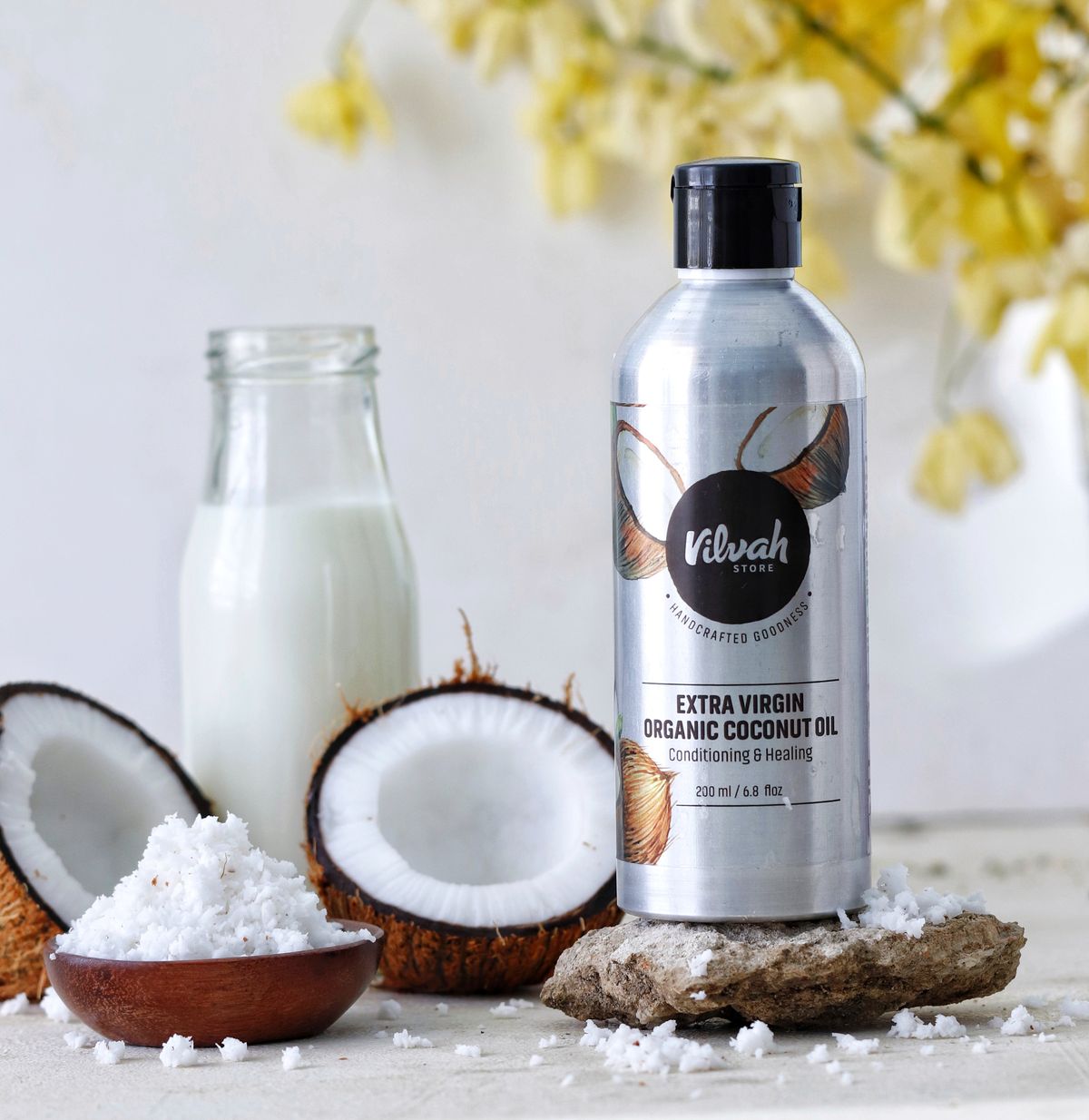
Why we picked it: For a flock, you want food-grade quality in a size that lasts — and this organic, cold-pressed virgin coconut oil delivers. It’s pure and unrefined with no additives, so it’s safe on scaly legs and combs and fine if your birds preen or nibble a little. It softens and melts easily for smooth application, works for mite treatments, cold-weather comb care, and the occasional healthy-fat treat, and the big tub means you won’t run out mid-treatment. One tub covers the whole coop kit — and your kitchen too.
- Type: Organic virgin
- Process: Cold-pressed
- Grade: Food-grade
- Size: Value tub
- Best for: Whole-flock care
- Additives: None
- ✅ Food-grade & pure — safe inside & out
- ✅ Big value tub — plenty for the coop
- ✅ Great for scaly legs & combs
- ✅ Melts easily for smooth use
- ✅ Multi-use — coop & kitchen
Check the latest price & reviews on Amazon. Price and availability can change.
Best for: backyard flock keepers who want a big, food-grade tub for coop care.
🤝 Affiliate disclosure: As an Amazon Associate we earn from qualifying purchases. If you buy through our links, we may earn a small commission at no extra cost to you. We only recommend products we’d genuinely use.
Compare: coconut oil for the coop
A big value tub for whole-flock care, or a smaller jar if you just have a few hens.
| Product | Best for | Type | Why | Buy |
|---|---|---|---|---|
| Island Fresh Organic (large) | Whole flock / mite treatments | Value tub | Food-grade, lasts a long time | Check on Amazon |
| Viva Naturals Organic | A few hens | Cold-pressed virgin | Pure, multi-use jar | Check on Amazon |
| Bulk Coconut Oil (76°) | Big coops / frequent use | Bulk food-grade | Great cost per ounce | Check on Amazon |
Common Mistakes (and Fixes)
- Feeding too much.
✅ Fix: Keep it a small, occasional treat — feed comes first. - Treating the bird but not the coop.
✅ Fix: Clean the coop and check the whole flock for mites. - Using it on a truly sick bird.
✅ Fix: Illness needs a vet, not a home remedy. - Drenching birds in oil.
✅ Fix: A thin coat is enough; too much is messy and unnecessary. - Using scented/additive oils.
✅ Fix: Stick to plain, food-grade coconut oil.
Real-Life Examples
- The scaly-leg fix: a keeper oils a hen’s crusty legs every few days for a month, and the scales smooth back out.
- The frost guard: someone rubs combs with coconut oil before a cold snap to help prevent minor frostbite.
- The winter treat: a flock gets a teaspoon of coconut oil in warm mash on chilly mornings.
- The vet call: a keeper notices a lethargic, puffed-up hen and — wisely — books a vet instead of reaching for oil.
Frequently Asked Questions
Is coconut oil safe for chickens?
Yes, in moderation. Pure, food-grade coconut oil is safe to rub on legs, combs, and vents, and safe if birds preen or eat a little. Fed as a treat, keep it to small amounts (like 1/2–1 teaspoon for a few hens, a couple times a week). It’s a helper for minor care, not a treatment for illness — see a vet for sick birds.
How do you use coconut oil for scaly leg mites?
Gently clean the legs, then coat the scaly areas generously with coconut oil, working it around and under the scales. Repeat every few days for several weeks, since mites are stubborn. Clean the coop and check other birds too. If it doesn’t improve, ask a vet about a dedicated mite treatment.
Can chickens eat coconut oil?
Yes, a little. It’s a safe, healthy-fat treat in small amounts mixed into feed or mash, and some keepers use it in winter for energy. Don’t overdo it — too much fat can upset digestion. Keep all treats under about 10% of the diet, with complete feed as the foundation.
Does coconut oil help with frostbite on combs?
It can help with minor cases and dryness by moisturizing and adding a light protective layer, and many keepers apply it before a hard freeze. It won’t prevent severe frostbite on its own — good coop ventilation, dryness, and draft control matter most. See a vet for serious frostbite.
How often can I put coconut oil on my chickens?
For scaly leg mites, every few days for several weeks. For dry combs or skin, as needed — a one-off or occasional application. Use a thin layer each time; there’s no need to apply it daily or drench the bird.
Can I use coconut oil on baby chicks with pasty butt?
A small dab can help gently soften and remove stuck droppings (“pasty butt”) and soothe the area. Be very gentle, use warm water first if needed, and use only a tiny amount. Keep chicks warm and watch them closely, since pasty butt can be serious in very young chicks.
Your Coop-Care Checklist
- Use pure, organic, food-grade coconut oil
- For scaly legs, coat and repeat every few days for weeks
- Clean the coop and check the whole flock for mites
- Apply a thin layer to combs before hard freezes
- Feed only small amounts as an occasional treat
- Keep complete feed as the foundation of the diet
- See a vet for sick, injured, or non-improving birds
The Bottom Line
Coconut oil is a genuinely useful, natural addition to your backyard coop kit — great for soothing scaly leg mites, moisturizing dry combs, protecting against minor frostbite, and adding an occasional healthy-fat treat to the feed. Just use it sparingly, keep it food-grade, treat the coop as well as the bird, and remember it’s a helper for minor care — not a replacement for a vet when a chicken is truly unwell. Want a reliable tub for your flock? A big pot of pure organic virgin coconut oil will cover your coop-care needs and last a good long while.
👉 Coconut oil for dogs · Coconut oil for cats · Coconut oil for horses · Coconut oil benefits