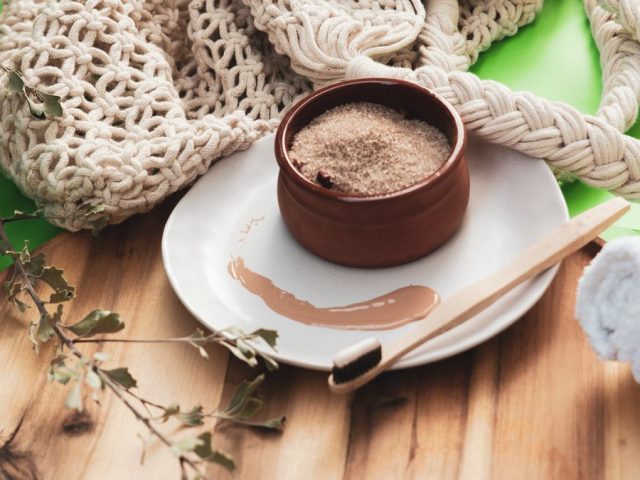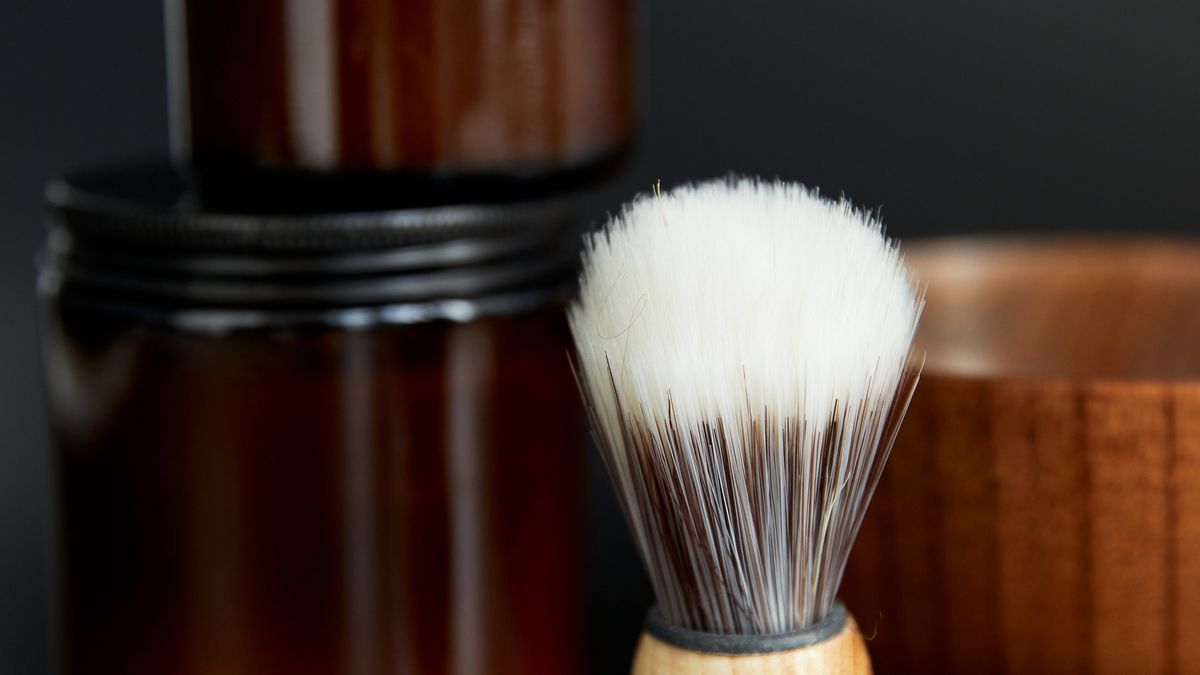
Razor burn, ingrown hairs, and dry, irritated skin after shaving? A lot of that comes down to harsh, foamy canned shaving creams. The natural fix is easy to make yourself: this coconut oil shaving cream gives you an ultra-close, smooth shave while moisturizing your skin at the same time. It’s creamy, soothing, and works beautifully for legs, underarms, and faces. Here’s the simple recipe.
A rich, whipped coconut oil shaving cream that softens hair, lets your razor glide, and moisturizes as you shave — so you get a close shave with less irritation. The base is coconut oil + shea butter + a carrier oil, whipped fluffy. It’s naturally soothing, additive-free, and great for sensitive skin.
Why Coconut Oil Makes a Great Shaving Cream
Shaving strips and irritates skin — especially with foamy drugstore creams packed with alcohol and fragrance that leave you dry and prone to razor burn. Coconut oil flips that on its head. It softens the hair so your razor cuts more easily, creates a slick, protective layer so the blade glides instead of dragging, and deeply moisturizes so your skin feels soft, not stripped, afterward.
It’s also naturally a little antibacterial, which can help with the tiny nicks shaving causes. The result is a closer, smoother shave with less redness, fewer ingrown hairs, and no tight, dried-out feeling. Whipping it with shea butter and a carrier oil gives it a cushiony, cream-like texture that’s a joy to use. For more, see our coconut oil for skin guide.
Coconut oil softens hair, lets the razor glide, and moisturizes while you shave — so you step out with smooth, soft skin instead of razor burn and dryness.
Ingredients
- 1/3 cup coconut oil (soft/solid) — glide & moisture
- 1/3 cup shea butter (softened) — creamy cushion
- 2 tbsp carrier oil (jojoba, sweet almond, or olive oil) — extra slip
- Optional: 10 drops essential oil (lavender, tea tree, or eucalyptus) — soothing scent
- Optional: 1 tbsp liquid castile soap — for a little lather, if you like
Equipment
- A mixing bowl and a hand mixer
- A spatula
- A clean glass jar (8 oz) with a lid
How to Make Coconut Oil Shaving Cream
- Soften the butters. You want the coconut oil and shea butter soft and scoopable (not fully melted), so they whip up light. Let them sit at room temperature or warm briefly.
- Combine in a bowl. Add the coconut oil, shea butter, and carrier oil to your mixing bowl.
- Whip until fluffy. Using a hand mixer, whip on medium-high for 3–4 minutes, until it’s light, creamy, and pale — like whipped frosting. Scrape the sides and keep going.
- Add extras. Whip in the essential oils (and castile soap if using) for another 30 seconds.
- Chill if needed. If it’s soft, pop the bowl in the fridge for 15–20 minutes, then whip once more for extra fluff.
- Jar it up. Spoon the whipped cream into a clean, dry glass jar with a lid. Done!
- To shave: scoop a small amount, smooth a thin layer over wet skin, and shave with the grain in gentle strokes. Rinse your razor often. Rinse skin and pat dry — you may not even need lotion.
- A little goes a long way — a thin layer is enough. Too much can clog your razor, so rinse the blade often.
- Shave with the grain (the direction hair grows) for the least irritation, especially on sensitive areas.
- Because it’s oil-based, your tub gets slippery — rinse it well and step carefully. Also rinse your razor in hot water so oil doesn’t build up.
Coconut Oil Cream vs Canned Shaving Foam
| Feature | Coconut oil cream | Canned foam |
|---|---|---|
| Moisturizes skin | ✅ Yes | ❌ Often drying |
| Razor burn / irritation | ✅ Less | ⚠️ More common |
| Additives & fragrance | ✅ None (natural) | ❌ Usually many |
| Cost & waste | ✅ Cheap, reusable jar | ❌ Pricey aerosol cans |
| Clogs razor | ⚠️ If too thick | ✅ Rarely |
How to Use & Store It
- Great for legs, underarms, and faces — anywhere you shave. It’s gentle enough for sensitive skin (patch test tea tree oil first).
- Store in a sealed glass jar at room temperature, away from heat and direct sun.
- Keep water out — scoop with clean, dry fingers or a small spoon so it stays fresh.
- Lasts about 3 months since there’s no water in the recipe.
- Warm weather: coconut oil softens above ~76°F (24°C), so it may get melty — store somewhere cool or re-whip if it separates.
Patch test first, especially with tea tree or eucalyptus oil, if you have sensitive skin. Coconut oil is comedogenic (pore-clogging) for some people, so if you’re acne-prone and shaving your face, watch for breakouts and rinse well after. And take care — an oily film makes the shower floor and razor slippery.
The Best Coconut Oil for Shaving Cream
Use a pure, organic coconut oil for the smoothest, most soothing shave. Here’s our pick.
Nature’s Way Organic Extra Virgin Coconut Oil
TOP PICK
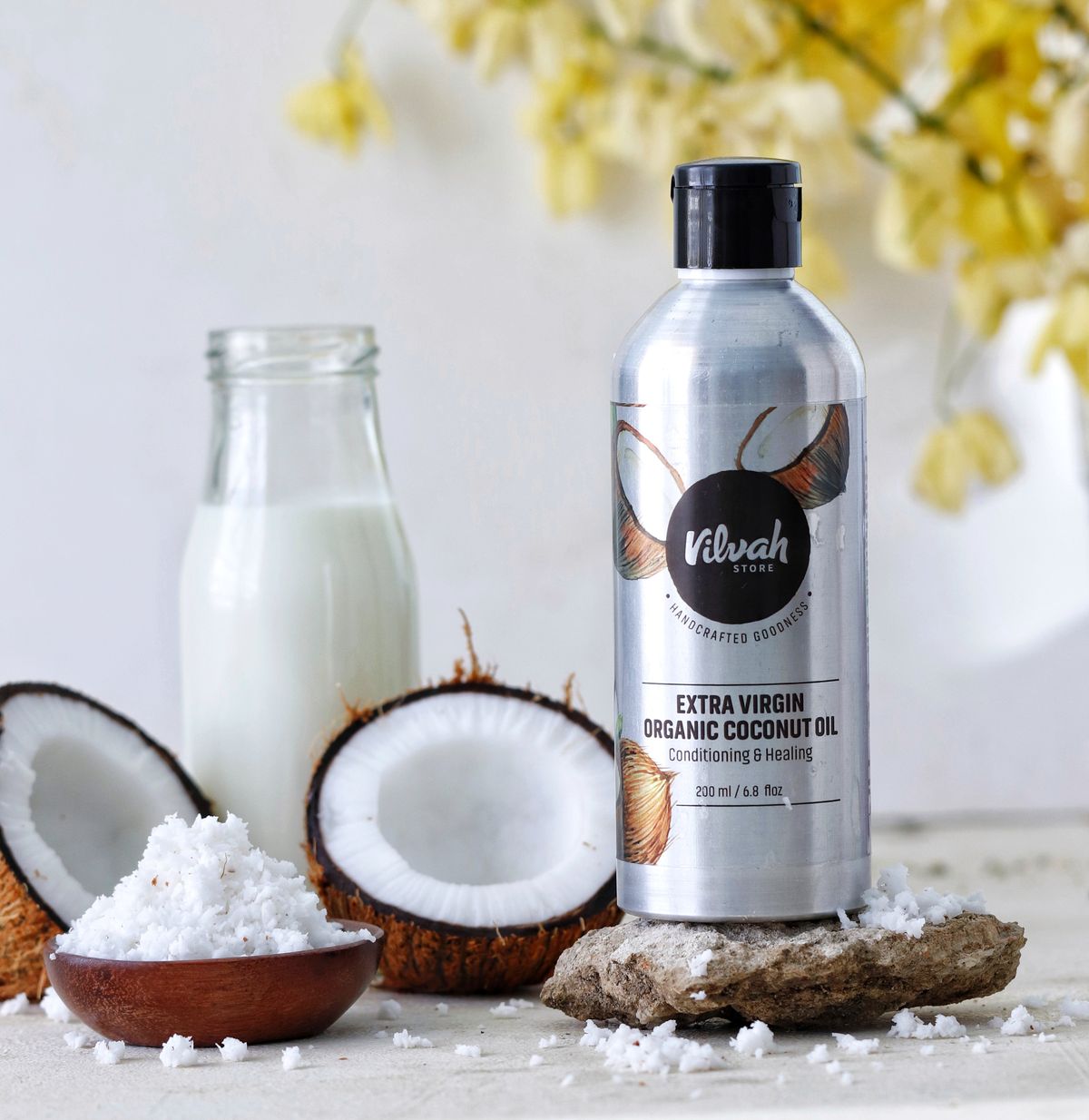
Why we picked it: This 100% pure, organic, cold-pressed extra-virgin coconut oil is unrefined with nothing added — gentle and safe for shaving even sensitive skin. It whips up beautifully with shea butter into a creamy cushion, gives your razor a smooth glide, and moisturizes as you shave so skin feels soft, not stripped. One jar makes plenty of shaving cream (and body butter, and more), so it’s fantastic value for any DIY skincare routine.
- Type: Organic extra-virgin
- Process: Cold-pressed
- Grade: Food-grade
- Feel: Rich, smooth glide
- Best for: Shaving & skin
- Additives: None
Check the latest price & reviews on Amazon. Price and availability can change.
🤝 Affiliate disclosure: As an Amazon Associate we earn from qualifying purchases. If you buy through our links, we may earn a small commission at no extra cost to you.
Frequently Asked Questions
Can you shave with just coconut oil?
Yes — in a pinch, plain coconut oil works as a shaving lube: it softens hair and helps the razor glide. But whipping it with shea butter and a carrier oil gives a creamier, more cushioned feel and better control. Either way, use a thin layer and rinse your razor often.
Is coconut oil shaving cream good for sensitive skin?
Generally yes — it’s free of the alcohol and fragrances that irritate skin in many canned foams, and it moisturizes as you shave, which helps prevent razor burn. Patch test any essential oils first, and if you’re acne-prone shaving your face, watch for clogged pores.
Will coconut oil clog my razor?
It can if you use too much or the layer is too thick. Use a thin layer, rinse your razor in hot water frequently while shaving, and give it a good rinse afterward so oil doesn’t build up on the blade.
Does it help with ingrown hairs and razor burn?
Many people find it does. By softening hair and letting the razor glide smoothly (instead of dragging), plus moisturizing the skin, it tends to reduce irritation, redness, and ingrown hairs compared to harsh foams. Shaving with the grain helps too.
Can I use this on my face?
Yes, though if you have acne-prone skin, coconut oil can clog pores for some people, so watch how your skin responds and rinse well after. For legs and underarms it’s a great, gentle option for most people.
Your Quick Checklist
- Whip soft coconut oil + shea butter until fluffy
- Add a carrier oil for extra glide
- Use a thin layer on wet skin; shave with the grain
- Rinse the razor often to avoid buildup
- Store in a dry glass jar, away from heat
- Patch test essential oils; mind the slippery tub
And there’s your smooth, soothing shave — no razor burn, no drying foam, just soft skin from a cream you made yourself. Whip up a jar, keep it by the shower, and enjoy the difference. Ready to try it? Grab a jar of pure organic virgin coconut oil and get whipping.