If your beard feels dry, itchy, or looks a little wild by mid-afternoon, you’re not alone — and the fix might already be in your kitchen. Coconut oil for beard care is one of the simplest, most affordable ways to soften coarse hair, calm the skin underneath, and tame flyaways. This friendly, no-nonsense guide shows you exactly how to use it, how often, what to avoid, and the best oils to buy.
Yes — coconut oil is genuinely good for most beards. It penetrates the hair shaft to reduce protein loss, softens coarse whiskers, moisturizes the skin beneath, and helps with itch and “beardruff.” Use a small amount (a few drops to a pea-size) a few times a week. If your skin is acne-prone, patch test and go light — coconut oil can be pore-clogging on some faces.
Below you’ll get the science-lite why, a step-by-step routine, a comparison of the best beard-friendly oils, and honest cautions so you get all the softness without the greasy downsides.
Why Coconut Oil Works So Well on Beards
Beard hair is often coarser and drier than the hair on your head, and the skin beneath it can get starved of moisture — which is what causes that famous itch. Coconut oil helps on both fronts. Unlike many oils that just coat the surface, coconut oil has a low molecular weight and a straight structure that lets it actually penetrate the hair shaft. Research on hair has shown coconut oil reduces protein loss in hair better than mineral or sunflower oil, which is a big deal for keeping coarse whiskers strong and soft.
At the same time, it’s rich in lauric acid and medium-chain fatty acids that moisturize and have mild antibacterial and antifungal properties. That means it can hydrate the skin under your beard, calm flaking (“beardruff”), and help keep the area comfortable. For the broader story on hair, see our coconut oil for hair guide.
Most beard problems are really skin and moisture problems in disguise. Coconut oil fixes the dryness at the root — literally — which is why it calms itch, flaking, and frizz all at once.
7 Real Benefits for Your Beard
- ✅ Softer, smoother hair — penetrates the shaft so whiskers feel less wiry.
- ✅ Less itch — moisturizes the skin that gets dry and irritated as your beard grows.
- ✅ Fights beardruff — hydration plus mild antifungal action reduces flaking.
- ✅ Tames flyaways — a tiny bit smooths frizz and helps shape the beard.
- ✅ Adds a healthy sheen — a natural, non-greasy-looking shine (when used sparingly).
- ✅ Protects from breakage — cuts protein loss, so hair is less brittle.
- ✅ Cheap and natural — one jar lasts months and doubles for skin, hair, and cooking.
Coconut oil won’t magically make a patchy beard fill in (see the growth section), but by keeping hair and skin healthy it creates the best conditions for the beard you can grow — and makes the beard you have look and feel noticeably better.
How to Use Coconut Oil on Your Beard (Step by Step)
The whole routine takes about two minutes. Here’s the simple version.
- Start with a clean, damp beard. After a shower is ideal — slightly damp hair helps the oil spread evenly.
- Scoop a small amount. Start with a few drops (short beard) up to a pea-size (long beard). You can always add more; you can’t take it back.
- Warm it between your palms. Rub your hands together so the oil melts into a thin, even film.
- Work it in from the skin out. Massage into the skin under your beard first (that’s where itch starts), then stroke down through the hair to the tips.
- Comb to distribute. A beard comb or brush spreads the oil evenly and shapes the hair.
- Style as usual. Leave it in — no need to rinse. If it feels greasy, you used too much; use less next time.
For an overnight deep-conditioning treatment, apply a slightly larger amount before bed once a week and rinse in the morning. Put down a pillowcase you don’t mind getting a little oil on. Your beard will feel remarkably soft the next day.
How Much and How Often
The number one mistake is using too much. A little coconut oil goes a long way, and overdoing it leaves your beard looking greasy and feeling heavy. Match the amount to your beard length.
| Beard length | Amount | How often |
|---|---|---|
| Stubble / short | 2–3 drops | Every other day |
| Medium | Pea-size | Daily or every other day |
| Long / full | Pea to dime-size | Daily, plus a weekly deep treatment |
Start on the low end and adjust. In humid climates or if your skin is naturally oily, use less and less often. In dry or cold weather, you may want a bit more to fight moisture loss.
Does Coconut Oil Grow Your Beard?
Here’s the honest truth: coconut oil does not directly make your beard grow thicker or faster. Beard growth is driven mostly by genetics and hormones, and no topical oil changes that. Any product promising a “beard growth serum” miracle is overselling.
What coconut oil can do is support a healthy environment for growth. By reducing breakage, it helps the hair you grow reach its full length instead of snapping off — so your beard may look fuller and longer over time. Healthier skin also means less irritation that can interfere with a comfortable growing phase. So think of it as a support act, not the star of beard growth.
Coconut oil is moderately comedogenic (pore-clogging), so if you’re prone to acne along the jaw or cheeks, it can contribute to breakouts under a beard. Patch test first, use small amounts, and if you notice pimples, switch to a lighter oil like jojoba or argan. This article is general grooming info, not medical advice — see a dermatologist for persistent skin issues. Read our full disclaimer.
Best Coconut-Based Beard Oils to Buy
You can absolutely use plain organic virgin coconut oil from the kitchen. But dedicated beard oils blend coconut or fractionated coconut oil with lighter carriers and a subtle scent, so they absorb faster and don’t sit heavy. Here’s our top pick for an easy, non-greasy daily beard oil.
Premium Beard Oil with Coconut & Argan
TOP PICK
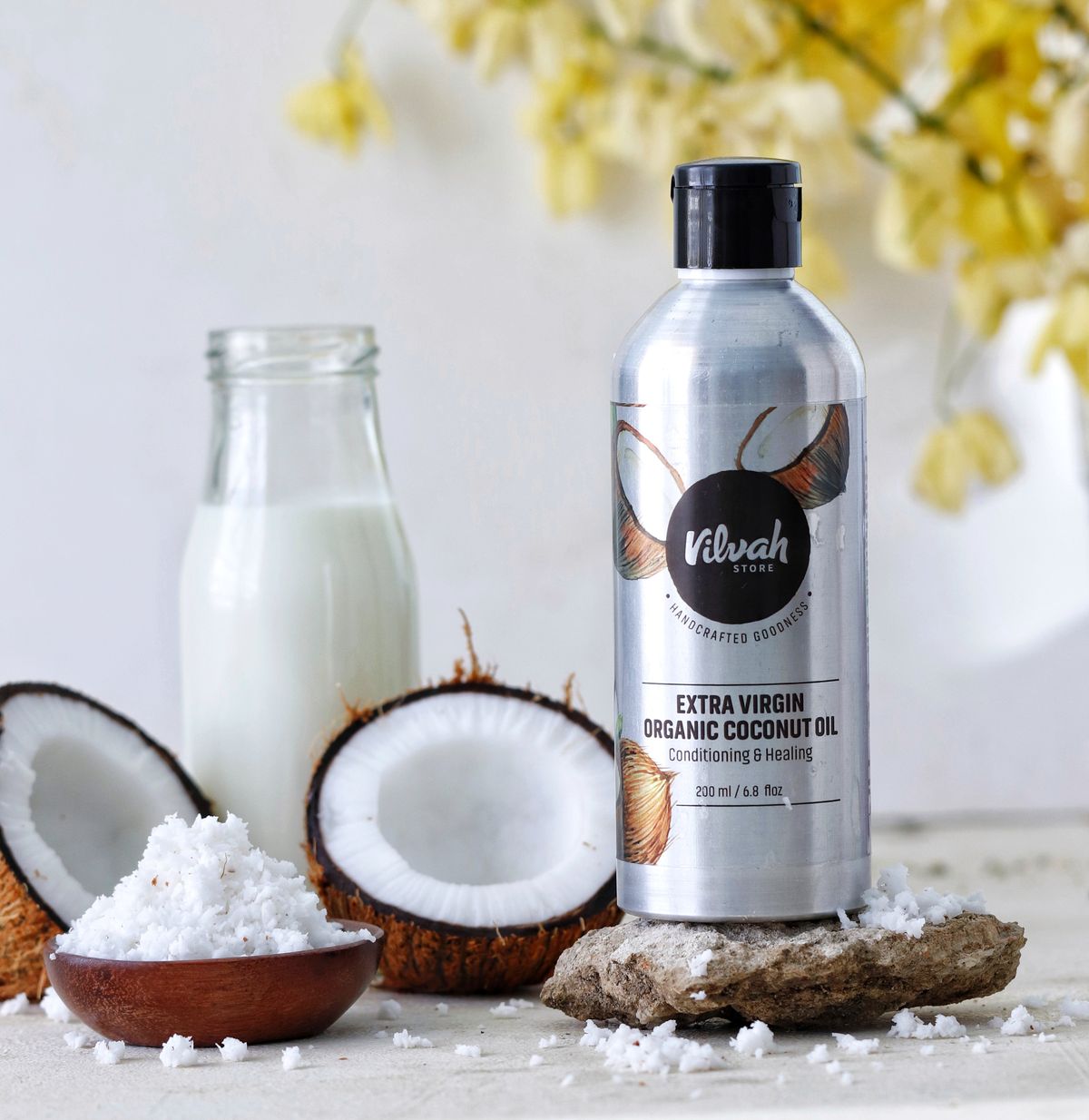
Why we picked it: A blended beard oil built around coconut and argan gives you coconut’s shaft-penetrating conditioning with the light, fast-absorbing feel of argan and jojoba — so your beard gets soft and tamed without the greasy weight of straight coconut oil. It’s leave-in, spreads easily, softens coarse hair, calms the itch underneath, and carries a subtle, non-overpowering scent. A little goes a long way, so one bottle lasts.
- Type: Blended beard oil
- Key oils: Coconut, argan, jojoba
- Feel: Light, non-greasy
- Use: Leave-in daily
- Scent: Subtle
- Best for: All beard lengths
- ✅ Softens & tames coarse whiskers
- ✅ Calms itch and beardruff
- ✅ Absorbs fast — no heavy grease
- ✅ Adds healthy sheen, not shine overload
- ✅ Subtle scent that won’t clash
Check the latest price & reviews on Amazon. Price and availability can change.
Best for: guys who want daily softness and itch relief with a lighter feel than pure coconut oil.
🤝 Affiliate disclosure: As an Amazon Associate we earn from qualifying purchases. If you buy through our links, we may earn a small commission at no extra cost to you. We only recommend products we’d genuinely use.
Compare: beard oil options
Want a blended oil, a pure virgin jar, or a light fractionated version? Here’s how they stack up.
| Product | Best for | Feel | Note | Buy |
|---|---|---|---|---|
| Coconut & Argan Beard Oil | Daily grooming | Light | Blended, subtle scent | Check on Amazon |
| Nature’s Way Organic Virgin | DIY / deep treatment | Rich | Pure, multi-use jar | Check on Amazon |
| Fractionated Coconut Oil | Acne-prone skin | Very light | Non-greasy, lower comedogenic | Check on Amazon |
Make a Simple 2-Ingredient Beard Balm
Want more hold and shaping power? Turn coconut oil into a quick beard balm at home.
- Melt 2 tablespoons of coconut oil with 1 tablespoon of beeswax pellets in a double boiler (or a bowl over hot water).
- Stir until fully combined and smooth.
- Add a few drops of a beard-safe essential oil (cedarwood or sandalwood are classics) if you want scent.
- Pour into a small tin and let it cool and set for an hour.
- Use a fingernail-scrape amount, warm between palms, and work through your beard for soft hold and shape.
The beeswax adds light hold and the coconut oil conditions — a genuinely useful DIY that costs a fraction of premium balms.
Which Type of Coconut Oil Is Best for Beards?
Not all coconut oil is the same, and the type you choose changes how your beard feels. Here’s a quick decoder so you pick the right one.
- Virgin (unrefined) coconut oil — the classic choice. It keeps the most lauric acid and natural nutrients, has a light coconut scent, and gives rich conditioning. Best for weekly deep treatments and dry, coarse beards. It’s solid at room temperature, so warm it in your palms first.
- Refined coconut oil — more processed and scent-free, with a slightly lighter feel. Fine if you dislike the coconut smell, though it has a bit less of the natural goodness.
- Fractionated coconut oil — stays liquid, absorbs fast, feels barely-there, and is less pore-clogging. This is the smart pick if your skin is acne-prone or you want an everyday, no-grease feel. It’s also the ideal base for DIY beard oil blends.
For most guys, keep a jar of virgin oil for treatments and a bottle of fractionated for daily use. If you want the softening benefits with a lighter touch and lower breakout risk, fractionated wins for daily grooming. Learn more in our fractionated coconut oil guide.
Beyond Softness: Beardruff, Split Ends & Styling
Beardruff (beard dandruff) is dry, flaky skin hiding under the hair, and it’s incredibly common — especially in winter or if you wash with harsh soap. Because coconut oil moisturizes the skin and has mild antifungal properties, a small daily amount massaged into the skin (not just the hair) is one of the easiest fixes. Pair it with a gentler wash and you’ll usually see flaking drop within a week or two.
Split ends and breakage hit long beards hard. Since coconut oil penetrates the shaft and cuts protein loss, regular use keeps the tips from getting brittle and snapping — which is what makes a long beard look ragged. It won’t repair an already-split hair (only trimming does that), but it prevents new damage so your beard grows out cleaner.
Styling is the bonus. A tiny amount smooths flyaways, adds a healthy (not greasy) sheen, and gives you just enough control to shape your beard for the day. For more hold, turn it into the simple beard balm above. And don’t forget the mustache — a drop worked into the ‘stache tames stray hairs and keeps it from feeling stiff or dry over your lip.
Common Mistakes (and Fixes)
- Using way too much.
✅ Fix: Start with a few drops; greasy means overdone. - Only oiling the hair, not the skin.
✅ Fix: Massage into the skin first — that’s where itch lives. - Applying to a bone-dry beard.
✅ Fix: Use on a slightly damp beard so it spreads evenly. - Ignoring breakouts.
✅ Fix: If acne-prone, patch test and switch to a lighter oil if needed. - Expecting overnight beard growth.
✅ Fix: Use it for health and softness; genetics drive growth.
Real-Life Examples
- The new-beard itch phase: daily coconut oil on the skin makes weeks 2–4 far more bearable.
- The winter-dry beard: a slightly bigger amount fights cold-weather flaking and frizz.
- The coarse, wiry beard: a weekly overnight treatment noticeably softens texture.
- The acne-prone jaw: switching to fractionated coconut oil keeps softness without breakouts.
A Simple Weekly Beard Routine (With Coconut Oil)
Consistency beats intensity. You don’t need a ten-step regimen — just a light daily habit and one weekly deep treatment. Here’s a realistic routine you can actually stick to.
- Daily (morning): after your shower, work a few drops of coconut or blended beard oil into the damp beard, skin first, then comb. Two minutes, done.
- 2–3x per week: wash your beard with a gentle beard wash or mild shampoo — not harsh bar soap, which strips moisture and feeds beardruff. Re-oil afterward.
- Once a week (night): apply a slightly larger amount as an overnight deep-conditioning treatment. Rinse in the morning for maximum softness.
- Every 3–6 weeks: trim split ends and shape the neckline and cheek lines. Oil keeps hair healthy, but trims keep it looking sharp.
- As needed: a fingertip of oil or balm mid-day to tame flyaways and refresh the beard.
Adjust to your skin and climate — oilier skin and humid weather need less; dry skin and cold weather need a touch more. Within a couple of weeks, most guys notice softer hair, less itch, and a beard that simply looks healthier and more intentional.
Frequently Asked Questions
Is coconut oil good for your beard?
Yes. It penetrates the hair shaft to reduce protein loss, softens coarse whiskers, moisturizes the skin underneath, and helps with itch and flaking. Use small amounts and patch test if you’re acne-prone.
Can I leave coconut oil in my beard all day?
Yes, if you use a small amount — it’s a leave-in conditioner. Too much will look greasy, so start with a few drops and add only if needed.
Does coconut oil make your beard grow faster?
Not directly. Growth is genetic and hormonal. Coconut oil supports growth indirectly by reducing breakage and keeping skin healthy, so your beard can look fuller over time.
How often should I put coconut oil on my beard?
A few times a week for most beards, up to daily for long or dry beards, plus an optional weekly overnight deep treatment. Adjust down if your skin is oily.
Will coconut oil cause acne under my beard?
It can for acne-prone skin, since it’s moderately pore-clogging. Patch test, use sparingly, and switch to a lighter oil like fractionated coconut, jojoba, or argan if you break out.
Should I use pure coconut oil or a beard oil?
Both work. Pure virgin oil is cheap and great for deep treatments; a blended beard oil absorbs faster, feels lighter daily, and adds a subtle scent.
Your Beard-Care Checklist
- Apply to a clean, slightly damp beard
- Start with a few drops; add only if needed
- Massage skin first, then hair to the tips
- Comb through to distribute and shape
- Use a weekly overnight deep treatment for softness
- Patch test if you’re acne-prone
- Switch to a lighter oil if you notice breakouts
The Bottom Line
Coconut oil is a cheap, natural, genuinely effective way to soften your beard, calm the skin beneath it, and cut down on itch and flaking. It won’t override your genetics for growth, but it will make the beard you have look and feel its best. Start with a small amount, work it into the skin as well as the hair, and patch test if your skin breaks out. For a lighter daily feel, reach for a blended coconut-argan beard oil or a non-greasy fractionated coconut oil.
👉 Coconut oil for hair · Coconut oil for skin · Fractionated coconut oil · Coconut oil for acne · 50+ ways to use it