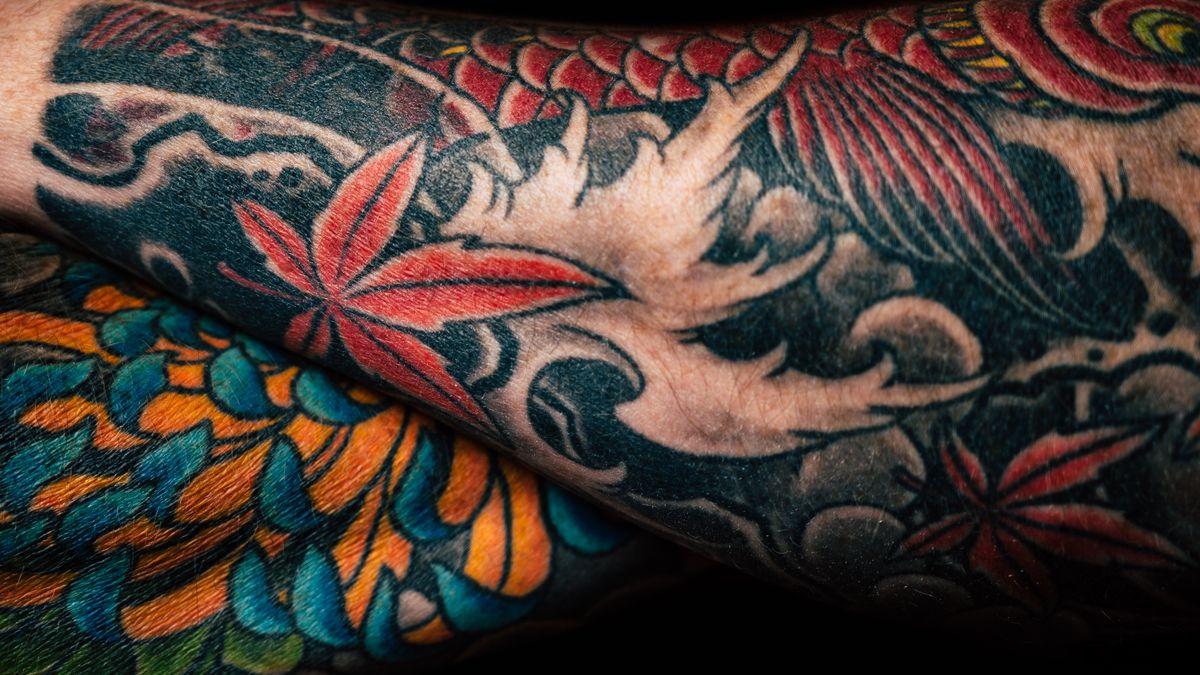
Got fresh ink and want it to heal beautifully — or an older tattoo that’s looking dull and dry? A jar of coconut oil can help. Using coconut oil for tattoos keeps skin moisturized, soothes itch, and helps your tattoo stay bright and vibrant. But there’s a crucial timing rule for new tattoos you must know. This warm, honest guide covers exactly when and how to use it, plus what your artist wants you to hear.
Coconut oil is excellent for moisturizing healed tattoos and keeping them vibrant, thanks to its hydrating fatty acids and mild antibacterial lauric acid. For a brand-new tattoo, follow your artist’s aftercare first — many suggest waiting until the initial healing has started (skip it on a raw, weeping tattoo) before switching to a light natural moisturizer like coconut oil. Always listen to your tattoo artist.
Below you’ll learn the benefits, the all-important timing for new vs healed tattoos, how to apply it, honest cautions, common mistakes, and the best coconut oil to use. Let’s keep your ink looking its best.
This article is general information, not medical or professional aftercare advice. Every artist and studio gives specific aftercare instructions — always follow those first. A new tattoo is an open wound; using the wrong product too early can cause problems. When in doubt, ask your tattoo artist, and see a doctor for signs of infection.
Is Coconut Oil Good for Tattoos?
Yes — coconut oil is a popular, natural way to care for tattoos, and it does several genuinely useful things. Tattoos live in your skin, and healthy, well-moisturized skin makes tattoos look their brightest and sharpest. Dry, flaky, or dull skin makes even a great tattoo look faded. Coconut oil is a rich moisturizer that keeps the skin — and the ink under it — looking vibrant.
On top of hydration, coconut oil has lauric acid, which is mildly antibacterial and antifungal, plus soothing, anti-inflammatory qualities. That’s helpful for calming the itch and irritation that come with tattoo healing and dryness. It’s also natural and free of the heavy fragrances and petroleum some products use, which many people prefer for their skin. The key, as we’ll cover next, is using it at the right stage of healing. For more skin uses, see our coconut oil for skin guide.
Benefits for Your Ink
- 💧 Deep moisture — keeps tattooed skin soft, which makes the ink look vibrant.
- ✨ Brighter, sharper look — hydrated skin shows off color and line work better than dry skin.
- 😌 Soothes itch & flaking — calms the dry, itchy stage of healing and everyday dryness.
- 🦠 Mild antibacterial support — lauric acid offers gentle protection as skin recovers.
- 🛡️ Protects long-term — regular moisturizing helps slow the natural fading of older tattoos.
- 🌿 Natural & gentle — no heavy fragrance or petroleum, just a pure plant oil.
Think of your tattoo like a picture behind a window (your skin). When the “window” is dry, cracked, and flaky, the picture looks dull. When it’s smooth and hydrated, the colors and lines show through crisp and bright. That’s why regular moisturizing with coconut oil helps tattoos stay vibrant for years.
New vs Healed Tattoos: The Timing That Matters Most
This is the most important part, so read carefully. A brand-new tattoo is an open wound, and it needs to be treated like one during the first days. In that early stage, most artists recommend their specific aftercare (a gentle wash and a thin, breathable ointment or lotion they suggest) — not a heavy oil. Putting a thick oil on a raw, weeping tattoo too early can trap moisture and bacteria and interfere with healing.
The rule of thumb: follow your artist’s aftercare on a fresh tattoo, and bring in coconut oil once the initial healing is underway — for calming the dry, itchy, flaky stage and for keeping healed tattoos vibrant long-term.
Once your tattoo moves past the raw phase and starts to dry, peel, and itch (usually after the first several days, but timelines vary), many people switch to a light, natural moisturizer — and coconut oil is a lovely option here. And for a fully healed tattoo, coconut oil is fantastic ongoing care. The safest approach for any new tattoo: ask your artist when it’s okay to switch, and stop if anything looks wrong.
Coconut Oil for Healed Tattoos
For a fully healed tattoo, coconut oil is simple, effective daily care. Regular moisturizing keeps the skin supple and the ink looking crisp and vibrant, and it helps slow the natural fading that happens to all tattoos over time (along with sunscreen — more on that below). Just rub a small amount into the tattoo whenever the skin feels dry, and especially after showering. It’s a natural alternative to fragranced tattoo lotions, and one jar lasts a very long time.
Coconut Oil for Newer Tattoos (Carefully)
Once your artist gives the okay — typically after the tattoo has started healing and is in the dry, peeling, itchy stage — a very thin layer of coconut oil can soothe that discomfort and keep the skin from getting too dry (over-dryness can affect how the tattoo heals). The key words are thin and gentle: use the smallest amount, apply with clean hands, and never smother the tattoo. If your studio recommended a specific product, use that until they say it’s fine to switch.
Regardless of what you put on it, if a tattoo shows increasing redness, swelling, warmth, pus, oozing, red streaks, or fever, that’s a sign of possible infection — stop applying products and see a doctor. Don’t rely on coconut oil to treat an infected tattoo.
How to Apply Coconut Oil to a Tattoo
- Wash your hands thoroughly first — clean hands only near a tattoo.
- Gently clean the tattoo with mild, fragrance-free soap and water, then pat (don’t rub) dry.
- Scoop a tiny amount of coconut oil and warm it between clean fingers until it melts.
- Apply a very thin layer — just enough to moisturize, never a thick coat. The tattoo should look lightly conditioned, not greasy.
- Reapply as needed when the skin feels dry, and after showers, for as long as the tattoo needs moisture.
- Protect from the sun — once healed, use sunscreen over your tattoo to prevent fading (coconut oil is not sunscreen).
A tattoo needs a thin, breathable layer, not a thick one — too much oil can clog and trap bacteria. And the number one enemy of a bright tattoo is UV: once healed, apply SPF 30+ sunscreen before sun exposure. Moisturize daily and protect from sun, and your ink stays vibrant for years.
Best Coconut Oil for Tattoos
For tattoos, choose pure, organic, virgin coconut oil — unrefined, gentle, and free of fragrance or additives. Here’s our top pick.
Nature’s Way Organic Extra Virgin Coconut Oil
TOP PICK
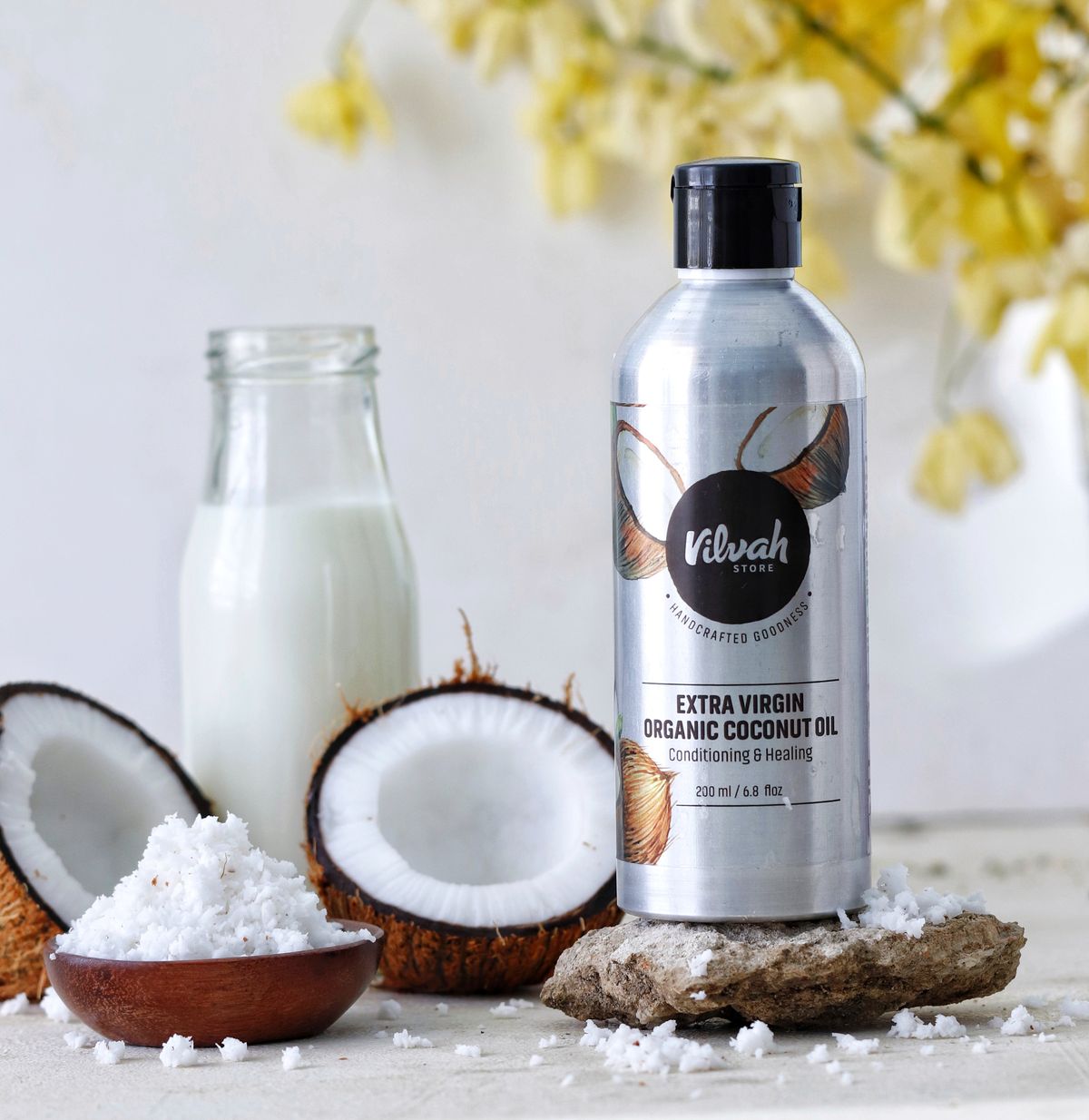
Why we picked it: This 100% pure, organic, cold-pressed extra-virgin coconut oil is ideal for tattoo care. Because it’s unrefined with nothing added, there’s no fragrance or petroleum to irritate healing or sensitive skin. It deeply moisturizes so your ink looks bright and sharp, soothes the itchy, flaky healing stage, and offers mild antibacterial support from its natural lauric acid. It’s gentle enough for daily use on healed tattoos and (once your artist okays it) for the dry stage of a newer one. Food-grade and multi-use, one jar handles tattoos, skin, hair, and cooking. Use a thin layer, and follow your artist’s aftercare.
- Type: Organic extra-virgin
- Process: Cold-pressed
- Additives: None
- Fragrance: None
- Best for: Tattoo moisturizing
- Grade: Food-grade
- ✅ Deeply moisturizes — keeps ink vibrant
- ✅ Fragrance-free — gentle on healing skin
- ✅ Soothes itch and flaking
- ✅ Antibacterial lauric acid support
- ✅ Multi-use — one jar does it all
Check the latest price & reviews on Amazon. Price and availability can change.
Best for: keeping healed tattoos vibrant and soothing the dry healing stage (after your artist’s okay).
🤝 Affiliate disclosure: As an Amazon Associate we earn from qualifying purchases. If you buy through our links, we may earn a small commission at no extra cost to you. We only recommend products we’d genuinely use.
Compare: coconut oils for tattoo care
A rich virgin jar, or a lighter liquid for easy, thin application.
| Product | Best for | Type | Note | Buy |
|---|---|---|---|---|
| Nature’s Way Organic Virgin | Daily tattoo moisture | Extra-virgin | Pure, fragrance-free | Check on Amazon |
| Fractionated Coconut Oil | Thin, non-greasy layer | Liquid | Stays liquid, light feel | Check on Amazon |
| Viva Naturals Organic | Whole-body use | Cold-pressed virgin | Unrefined, no additives | Check on Amazon |
Honest Cautions
- Not for a raw, fresh tattoo — follow your artist’s aftercare first; don’t put heavy oil on an open, weeping tattoo.
- Use a thin layer. Too much oil can clog skin and trap bacteria.
- It’s not sunscreen. Use real SPF to protect a healed tattoo from fading.
- Watch for infection. Redness, pus, swelling, red streaks, or fever mean see a doctor.
- Allergies: patch test if you have sensitive skin or a coconut allergy.
Common Mistakes (and Fixes)
- Using it on a fresh, weeping tattoo.
✅ Fix: Follow your artist’s aftercare; switch only when the initial healing has started. - Applying too much.
✅ Fix: A thin, breathable layer — greasy is too much. - Skipping sunscreen.
✅ Fix: Use SPF 30+ on healed tattoos to prevent fading. - Ignoring infection signs.
✅ Fix: Redness, pus, or fever means see a doctor, not more oil. - Using dirty hands.
✅ Fix: Always wash hands before touching a tattoo.
Real-Life Examples
- Peeling stage: after the artist’s okay, a thin coconut layer soothes the itchy, flaky days.
- Old, dull tattoo: daily moisturizing brings back a soft, vibrant look.
- Summer care: coconut oil plus SPF keeps a healed tattoo bright at the beach.
- Sensitive skin: someone who reacts to fragranced lotions tolerates pure coconut oil well.
Frequently Asked Questions
Is coconut oil good for tattoos?
Yes. It deeply moisturizes so your ink looks bright and sharp, soothes the itchy healing stage, and offers mild antibacterial support. It’s best for healed tattoos and, once your artist okays it, the dry stage of a newer one. Follow your artist’s aftercare on a fresh tattoo.
Can I put coconut oil on a new tattoo?
Not on a fresh, raw tattoo — follow your artist’s specific aftercare first, since a new tattoo is an open wound. Once the initial healing has started and it’s in the dry, peeling stage, many people switch to a thin layer of coconut oil, but ask your artist when it’s okay.
Does coconut oil keep tattoos from fading?
It helps by keeping skin moisturized, which makes ink look vibrant and slows some natural fading. But the biggest cause of fading is sun exposure, so the real key is applying sunscreen (SPF 30+) to healed tattoos.
How often should I apply coconut oil to my tattoo?
Apply a thin layer whenever the skin feels dry, and after showers. For healed tattoos, daily moisturizing keeps them looking their best. Use only a small amount so the skin can breathe.
Can coconut oil heal an infected tattoo?
No. If a tattoo shows signs of infection — increasing redness, swelling, pus, red streaks, or fever — stop applying products and see a doctor. Coconut oil is for moisturizing, not treating infection.
Is coconut oil or a tattoo lotion better?
Both work for healed tattoos. Coconut oil is natural and fragrance-free, which many people prefer; dedicated tattoo lotions are formulated specifically. For a new tattoo, use whatever your artist recommends until they say you can switch.
Your Tattoo-Care Checklist
- Follow your artist’s aftercare on a fresh tattoo
- Switch to coconut oil only when healing has started (ask your artist)
- Always use clean hands and a clean tattoo
- Apply a thin, breathable layer — never thick
- Reapply when dry and after showers
- Use SPF 30+ on healed tattoos to prevent fading
- See a doctor for any signs of infection
The Bottom Line
Coconut oil is a gentle, natural way to keep your tattoos moisturized, soothed, and vibrant — perfect for healed ink and, once your artist gives the okay, for the dry, itchy healing stage. Just remember the golden rule: a fresh tattoo is an open wound, so follow your artist’s aftercare first, use only a thin layer, protect healed tattoos from the sun with SPF, and see a doctor for any signs of infection. Keep a jar of pure organic virgin coconut oil handy, and your ink will stay looking its best for years.
👉 Coconut oil for skin · Coconut oil benefits · Coconut oil for eczema · 50+ ways to use it