Dry, red, itchy, flaky skin that just won’t quit? If you’re dealing with eczema and looking for a gentle, natural way to soothe it, you’ve probably heard about coconut oil for eczema. The good news: research actually backs it up as a helpful moisturizer for many people. This warm, honest guide explains what it can do, how to use it safely, and when to see a doctor instead.
Yes — for many people, virgin coconut oil can genuinely help eczema. Studies show it moisturizes, strengthens the skin barrier, reduces harmful bacteria, and can ease redness and itch. It works best for mild to moderate, non-flaring eczema as part of a daily routine. It’s not a cure, and it’s not right for everyone — so use it alongside your doctor’s advice.
Below you’ll learn the real science in plain English, exactly how to apply it, who it helps most, honest cautions, and the best coconut oil to choose. Let’s calm that skin down the gentle way.
Eczema (atopic dermatitis) is a medical skin condition, and everyone’s skin is different. This article is general information only. Talk to your doctor or a dermatologist before trying coconut oil, especially for a child, a severe flare, or broken, weeping, or infected skin. Always patch test first. See our full wellness disclaimer.
What Eczema Really Is
Eczema (the most common type is called atopic dermatitis) is a condition where your skin barrier — the protective outer layer that locks in moisture and keeps irritants out — doesn’t work as well as it should. The result is skin that loses water easily, dries out, and becomes red, itchy, inflamed, and flaky. It often comes and goes in “flares,” and it can show up on the hands, face, elbows, knees, or almost anywhere.
Because a weak skin barrier is at the heart of eczema, the single most important daily habit is moisturizing — sealing in water and supporting that barrier. That’s exactly where coconut oil comes in. It won’t fix the underlying condition, but as a natural moisturizer it can help the skin hold water and feel more comfortable.
Eczema is really a “leaky barrier” problem. The skin can’t hold moisture, so it dries and itches. A good moisturizer like coconut oil helps patch that barrier and calm the cycle — but it supports treatment, it doesn’t replace it.
Does Coconut Oil Actually Help Eczema?
Here’s the encouraging part: unlike many “natural remedies,” coconut oil has real research behind it for eczema. Studies (including ones on both adults and children with atopic dermatitis) have found that virgin coconut oil can improve skin hydration and reduce eczema severity compared with mineral oil. It’s one of the better-supported natural options for dry, eczema-prone skin.
What the evidence suggests coconut oil can do:
- Moisturize deeply and reduce the dryness that drives itching.
- Support the skin barrier so it holds water better.
- Cut down harmful bacteria (its lauric acid fights Staphylococcus aureus, which is often higher on eczema skin and can worsen flares).
- Calm inflammation gently, easing some redness and irritation.
That’s a genuinely useful combination. Just keep expectations honest: it’s a helpful moisturizer, not a cure, and severe eczema still needs medical treatment. For more on skin uses, see our coconut oil for skin guide.
Why It Works (The Science, Simply)
Coconut oil’s power comes from its fatty acids, especially lauric acid (which makes up about half of it). These fats do three helpful things for eczema skin. First, they’re emollient — they soften and smooth, sealing moisture into that leaky barrier. Second, lauric acid is antibacterial and antifungal, which matters because eczema skin often carries more Staph bacteria that can trigger flares. Third, coconut oil has mild anti-inflammatory and antioxidant properties that can soothe redness.
Put those together and you get a natural moisturizer that hydrates, protects, and helps keep the skin’s ecosystem healthier — all things that make eczema-prone skin more comfortable. It’s gentle and free of the fragrances and dyes that irritate many eczema sufferers, which is a big plus.
Studies use virgin (unrefined) coconut oil, which keeps the most lauric acid and beneficial compounds. Refined oil is more processed and may have less benefit. For eczema, always reach for pure, organic, virgin oil with nothing added.
Who Coconut Oil Helps Most
Coconut oil tends to help most for:
- Mild to moderate eczema that’s dry and itchy but not severely flaring.
- People between flares who want daily maintenance moisturizing to prevent dryness.
- Those who tolerate it after a proper patch test — most people do.
- Anyone sensitive to fragrances in commercial creams, since pure coconut oil has none.
It’s less suited to severe, weeping, cracked, or infected eczema, which needs medical treatment (like prescription creams), and to the small number of people who react to it. Think of coconut oil as a gentle everyday helper for calmer skin, not an emergency treatment for a bad flare.
How to Use Coconut Oil on Eczema (Step by Step)
Technique matters. Here’s the derm-friendly way to get the most out of it.
- Patch test first. Dab a little on your inner forearm and wait 24 hours. If you see irritation, stop.
- Choose virgin, organic coconut oil with no additives or fragrance.
- Apply to slightly damp skin. The best time is right after a lukewarm (not hot) bath or shower, while skin is still a little moist — this “locks in” water.
- Use a thin layer and gently smooth it on. Warm it between your palms first so it melts.
- Apply twice daily — morning and night — and reapply to very dry spots as needed.
- Be gentle. Pat, don’t rub hard, and never apply to open, cracked, or infected skin without a doctor’s okay.
Dermatologists love this for eczema. Take a short, lukewarm bath, gently pat skin until it’s just damp, then seal in the moisture with coconut oil (or your prescribed cream) within 3 minutes. Locking in water while skin is damp is far more effective than applying to bone-dry skin.
Coconut Oil for Baby and Child Eczema
Eczema is very common in babies and children, and coconut oil is a popular gentle option — some studies on childhood eczema are actually encouraging. A thin layer of pure virgin coconut oil after a lukewarm bath can help soothe dry, itchy little patches. But children’s skin is delicate, so extra caution applies.
Always check with your child’s pediatrician or a dermatologist before using coconut oil on a baby or child’s eczema, patch test on a small area, and stop at any sign of a reaction. Childhood eczema can need specific treatment, so make the doctor your first stop. See our coconut oil for babies guide for gentle-use tips.
Best Coconut Oil for Eczema
For eczema, purity is everything: choose organic, unrefined, virgin coconut oil with no fragrance or additives. Here’s our top pick.
Nature’s Way Organic Extra Virgin Coconut Oil
TOP PICK
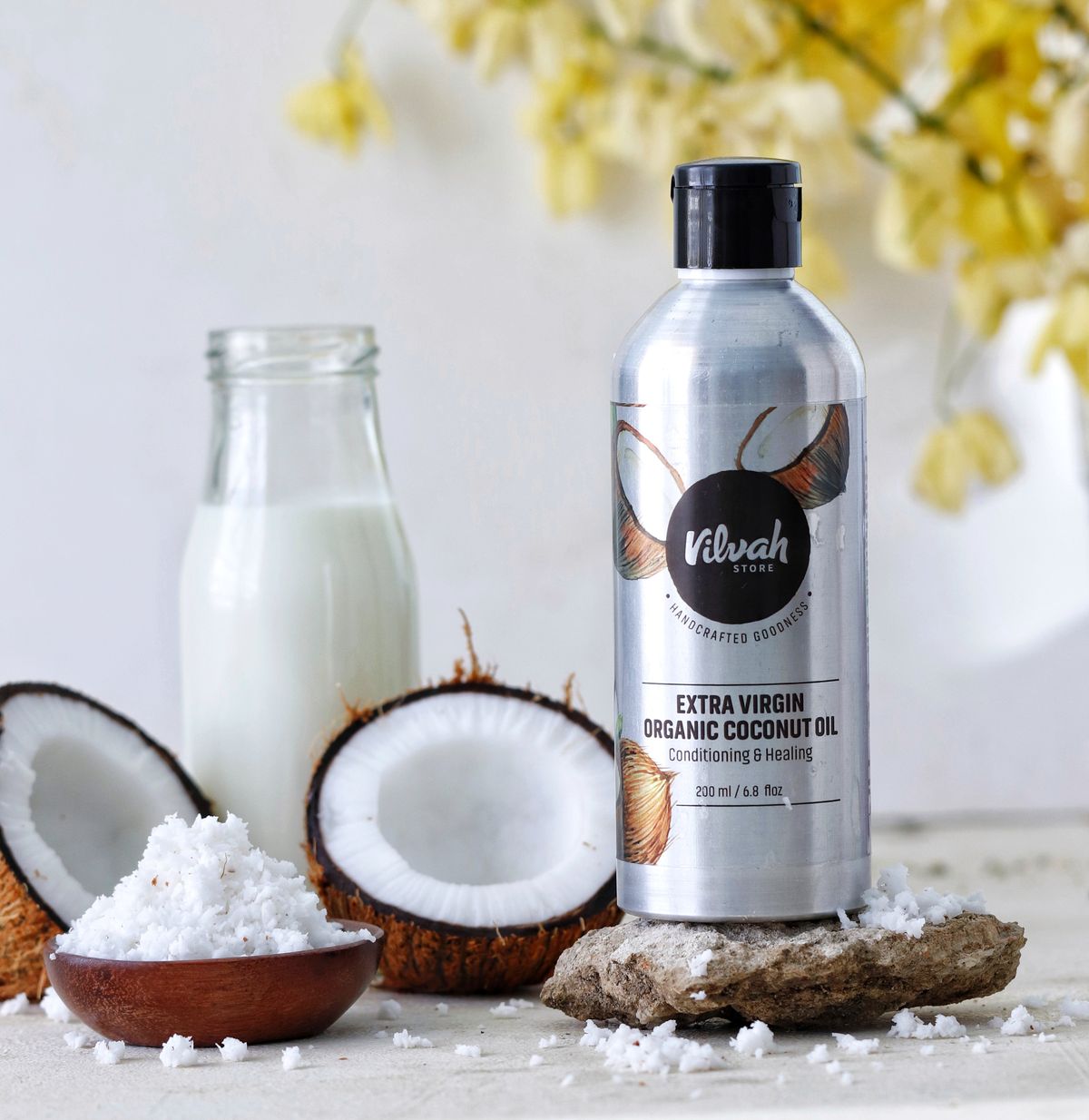
Why we picked it: This is 100% pure, organic, cold-pressed extra-virgin coconut oil — the exact type used in eczema studies. Because it’s unrefined with nothing added, it keeps the most lauric acid (the antibacterial, barrier-supporting fat) and has zero fragrance or dyes to irritate sensitive skin. It deeply moisturizes, helps seal the skin barrier, and is gentle enough for daily maintenance between flares. It’s food-grade and multi-use, so one jar handles skin, hair, and cooking. Patch test first, and pair it with your doctor’s plan.
- Type: Organic extra-virgin
- Process: Cold-pressed
- Additives: None
- Fragrance: None
- Best for: Dry, itchy skin
- Grade: Food-grade
- ✅ Unrefined & pure — max lauric acid
- ✅ Fragrance-free — gentle on eczema skin
- ✅ Deeply moisturizes and seals the barrier
- ✅ Antibacterial support against Staph
- ✅ Multi-use — one jar does it all
Check the latest price & reviews on Amazon. Price and availability can change.
Best for: anyone wanting a pure, fragrance-free virgin oil to moisturize mild-to-moderate, eczema-prone skin.
🤝 Affiliate disclosure: As an Amazon Associate we earn from qualifying purchases. If you buy through our links, we may earn a small commission at no extra cost to you. We only recommend products we’d genuinely use.
Compare: coconut oils for eczema
Any of these work, as long as it’s virgin, organic, and additive-free.
| Product | Best for | Type | Note | Buy |
|---|---|---|---|---|
| Nature’s Way Organic Virgin | Daily eczema care | Extra-virgin | Pure, fragrance-free, studied type | Check on Amazon |
| Viva Naturals Organic | Whole-body moisturizing | Cold-pressed virgin | Unrefined, no additives | Check on Amazon |
| Fractionated Coconut Oil | Non-greasy daytime use | Liquid | Lighter feel (less lauric acid) | Check on Amazon |
When to Avoid Coconut Oil (or See a Doctor)
Coconut oil isn’t right for every situation. Skip it or get medical advice first if:
- You have a coconut allergy — obviously avoid it, and patch test if unsure.
- Your skin is broken, weeping, cracked, or infected — oil can trap moisture and worsen some infections; see a doctor.
- You’re having a severe flare — this needs proper treatment, not just a moisturizer.
- It makes things worse — a small number of people react; if redness or itching increases, stop.
- It’s for a baby or child — check with the pediatrician first.
Weeping, oozing, yellow crusting, spreading redness, pain, or eczema that isn’t improving can signal infection or a flare needing prescription treatment. Don’t rely on coconut oil for these — get medical care.
Coconut Oil vs Other Eczema Moisturizers
Coconut oil is one option among many. Here’s an honest comparison so you can decide what fits your skin — often the answer is a combination.
| Moisturizer | Strengths | Honest verdict |
|---|---|---|
| Virgin coconut oil | Hydrates, antibacterial, fragrance-free | Great natural daily option; study-backed |
| Ceramide creams | Rebuild the skin barrier directly | Dermatologist favorite for eczema |
| Petroleum jelly | Strong moisture seal | Excellent “seal” step; no active benefits |
| Colloidal oatmeal creams | Soothe itch and inflammation | Nice for itchy flares |
| Shea butter | Rich, deep moisture | Good for very dry patches |
Notice that these aren’t really rivals — they’re teammates. Many people with eczema do best by layering: a ceramide cream or prescription treatment for the barrier and flares, then coconut oil or petroleum jelly to seal moisture in. Coconut oil’s edge is that it’s natural, fragrance-free, and mildly antibacterial, which suits sensitive skin. If your dermatologist recommends a specific cream, follow that first and use coconut oil as gentle daily support.
An Eczema-Friendly Daily Routine
Coconut oil works best inside a skin-friendly routine. Here’s a simple framework that keeps eczema calmer:
- Bathe smart: short, lukewarm baths or showers — never hot, which strips moisture and worsens itch.
- Use a gentle, fragrance-free cleanser instead of harsh soap.
- Pat, don’t rub your skin dry, leaving it slightly damp.
- Moisturize within 3 minutes — seal in water with coconut oil or your prescribed cream.
- Know your triggers: common ones include harsh detergents, wool, heat, sweat, stress, and certain foods. Avoiding them prevents flares.
- Moisturize at least twice daily, even when skin looks fine, to keep the barrier strong.
Consistency is the secret. Eczema is a long game, and a steady daily routine — gentle bathing, trigger avoidance, and regular moisturizing — does more than any single product. Coconut oil is a comfortable, affordable piece of that puzzle.
Common Mistakes (and Fixes)
- Using refined or scented oil.
✅ Fix: Choose organic, unrefined, fragrance-free virgin oil only. - Applying to bone-dry skin.
✅ Fix: Apply to damp skin after a lukewarm bath (soak and seal). - Skipping the patch test.
✅ Fix: Always test 24 hours first; some people react. - Using it on a bad flare or infection.
✅ Fix: See a doctor; use prescribed treatment for severe eczema. - Expecting a cure.
✅ Fix: Treat it as daily maintenance moisturizing, alongside medical care.
Real-Life Examples
- Winter dry hands: nightly coconut oil after washing keeps eczema-prone hands from cracking.
- Between flares: daily “soak and seal” moisturizing helps stretch the calm periods longer.
- Fragrance sensitivity: someone who reacts to scented creams tolerates plain virgin coconut oil well.
- Combined care: a reader uses their prescription cream for flares and coconut oil for daily maintenance.
Frequently Asked Questions
Is coconut oil good for eczema?
For many people, yes. Virgin coconut oil moisturizes, supports the skin barrier, and fights bacteria that can worsen eczema. Research shows it can reduce eczema severity for mild-to-moderate cases. It’s a helpful moisturizer, not a cure, so use it alongside your doctor’s advice.
How often should I apply coconut oil for eczema?
Twice daily is ideal — morning and night — plus after bathing while skin is damp. Consistent daily use for maintenance works better than occasional application.
What kind of coconut oil is best for eczema?
Organic, unrefined, virgin coconut oil with no fragrance or additives. That’s the type used in studies and the gentlest for sensitive skin.
Can coconut oil cure eczema?
No. Eczema is a chronic condition with no cure. Coconut oil can soothe symptoms and improve moisture, but it won’t cure it. Severe eczema needs medical treatment.
Can I use coconut oil on my baby’s eczema?
Often it can help as a gentle moisturizer, but check with your pediatrician first, patch test, and stop at any sign of a reaction. Children’s skin and eczema can need specific care.
Can coconut oil make eczema worse?
For most people it helps, but a small number react to it, and it shouldn’t go on broken, weeping, or infected skin. Patch test first and stop if irritation increases.
Your Soothing Checklist
- Patch test 24 hours before regular use
- Choose organic, virgin, fragrance-free oil
- Apply to damp skin after a lukewarm bath
- Use a thin layer twice daily
- Avoid broken or infected skin
- Pair it with your doctor’s treatment plan
- See a doctor for flares, oozing, or no improvement
The Bottom Line
Coconut oil is one of the better-supported natural helpers for eczema-prone skin. Virgin coconut oil moisturizes deeply, strengthens the skin barrier, and fights flare-triggering bacteria — genuinely useful for mild-to-moderate, non-flaring eczema as daily maintenance. It’s not a cure, it’s not for severe or infected skin, and it should always sit alongside your doctor’s plan. Patch test, choose a pure fragrance-free oil, apply to damp skin, and be gentle. A jar of organic virgin coconut oil is an easy, affordable place to start.
👉 Coconut oil for skin · Coconut oil for babies · Coconut oil benefits · 50+ ways to use it