Gentle, natural, and already in many kitchens, coconut oil for babies has become a favorite for soothing dry skin, cradle cap, and baby massage. But is it truly safe for your little one — and how should you use it? This warm, practical guide walks you through the real benefits, the honest cautions, and exactly how to use coconut oil on baby skin, with your pediatrician always in the loop.
This article is general information, not medical advice. Every baby’s skin is different, and newborns are especially delicate. Always check with your pediatrician before applying anything new to your baby’s skin — especially for premature infants, newborns under 3 months, broken skin, or any medical condition. Do a small patch test first and stop at the first sign of irritation.
With that essential caution in place, here’s the honest, gentle rundown of when coconut oil can help your baby, when to skip it, and how to use it the safe way.
Is Coconut Oil Safe for Babies?
For most healthy babies, a small amount of pure, organic virgin coconut oil applied to the skin is generally considered gentle and well tolerated — and many parents and even some pediatric studies have found it helpful for baby skin hydration. Its fatty acids moisturize, and it has mild antimicrobial properties. That’s why it shows up in so many natural baby-care routines.
That said, “generally safe” is not the same as “safe for every baby.” Newborn skin is thin and still developing its protective barrier, and some babies can react to even natural products. The single most important step is to check with your pediatrician first and always patch test. If your baby has a known allergy, eczema flare, broken skin, or any medical condition, get personalized guidance before you begin.
Coconut oil can be a lovely, gentle helper for baby skin — but your pediatrician knows your baby, and this article doesn’t. When in doubt, ask them first.
This guide is about coconut oil on the skin. Do not add coconut oil or any new food to a young baby’s diet without your pediatrician’s guidance — feeding recommendations for infants are very specific and age-dependent.
The Gentle Benefits Parents Love
- 💧 Moisturizes dry skin — softens the dry, flaky patches newborns often get.
- 🍼 Helps with cradle cap — loosens the flaky scales on baby’s scalp.
- 🤲 Great for baby massage — glides smoothly and absorbs without heavy residue.
- 🌿 Mild antimicrobial — lauric acid offers gentle antibacterial support.
- 👶 Soothes minor irritation — may calm mild redness and dryness.
- 🧴 Simple and natural — one pure ingredient, no added fragrance or dyes (when you pick the right jar).
Its fats are close to the skin’s own lipids, so it absorbs nicely and helps seal in moisture. Choosing an unrefined, organic, fragrance-free oil keeps it as pure and gentle as possible for delicate skin.
Coconut Oil for Cradle Cap
Cradle cap (those yellowish, flaky scales on a baby’s scalp) is harmless and common, and coconut oil is one of the gentlest home approaches — but confirm with your pediatrician first. Here’s the usual method:
- Warm a little oil in your hands (never hot — just room temperature or slightly warm).
- Massage a thin layer onto the scaly areas of the scalp.
- Let it sit for about 15 minutes to soften the flakes.
- Gently loosen the scales with a soft baby brush — never pick or scrub.
- Wash it out with a mild baby shampoo so oil doesn’t build up.
If the cradle cap looks red, spreads, weeps, or seems to bother your baby, stop and call your pediatrician — it may need a different treatment.
Coconut Oil for Baby Dry Skin and Eczema
For everyday dry patches, a thin layer of coconut oil after a bath can help lock in moisture while the skin is still slightly damp. Some research suggests virgin coconut oil can improve skin hydration and support the skin barrier, which is why it’s popular for mild dryness.
Eczema is more complicated. Some babies with mild eczema tolerate coconut oil well and find it soothing; others react to it. Because eczema is a medical condition, talk to your pediatrician or a pediatric dermatologist before using coconut oil on eczema-prone skin — they may recommend it as part of a routine, or suggest a dedicated eczema cream instead. Never apply it to broken, weeping, or infected skin without medical advice.
Stop immediately and consult your pediatrician if you notice increased redness, a rash, bumps, swelling, or your baby seeming uncomfortable. A patch test on a small area 24 hours ahead helps you catch a reaction before applying more widely.
Coconut Oil for Baby Massage
Baby massage is a beautiful bonding ritual, and coconut oil is a popular choice because it’s smooth, absorbs well, and (when unscented) is gentle. In warmer weather especially, its light feel is lovely. To massage safely:
- Use a small amount of warmed (not hot) oil and rub it between your palms first.
- Work with gentle, slow strokes — arms, legs, tummy, and back.
- Avoid the hands (babies put them in their mouths) and keep it away from the face and eyes.
- Choose a warm, calm moment — after a bath or before a nap often works well.
If your baby has sensitive skin, patch test the oil a day before your first full massage, and check with your pediatrician if you’re unsure.
Coconut Oil for the Diaper Area
Some parents use a thin layer of coconut oil as a natural barrier to help with mild diaper-area dryness, thanks to its moisturizing and mild antimicrobial qualities. It can be a gentle option for minor irritation. However, for an active diaper rash — especially one that’s raw, blistered, bleeding, or not improving — coconut oil is not a treatment. Diaper rash can have several causes (including yeast), so check with your pediatrician, who may recommend a proper barrier cream or medicated ointment.
How to Use Coconut Oil on Your Baby Safely
- Ask your pediatrician first, especially for newborns and any skin condition.
- Choose the right oil: 100% pure, organic, unrefined (virgin), fragrance-free.
- Patch test: dab a tiny bit on the inner arm and wait 24 hours before wider use.
- Warm gently: rub a small amount between your palms — never microwave onto hot.
- Use a thin layer: a little goes a long way; you don’t need a greasy coating.
- Apply after a bath on slightly damp skin to lock in moisture.
- Watch closely for any redness or reaction, and stop if anything looks off.
Keep the jar sealed, clean, and at room temperature. Use a clean spoon or clean fingers to scoop so you don’t introduce germs into the jar you use on your baby.
Best Coconut Oil for Babies
For baby skin, purity matters most: look for organic, unrefined, fragrance-free coconut oil. A product formulated specifically for babies takes the guesswork out. Here’s our top pick.
Kokoso Baby Organic Coconut Oil
BABY-SPECIFIC
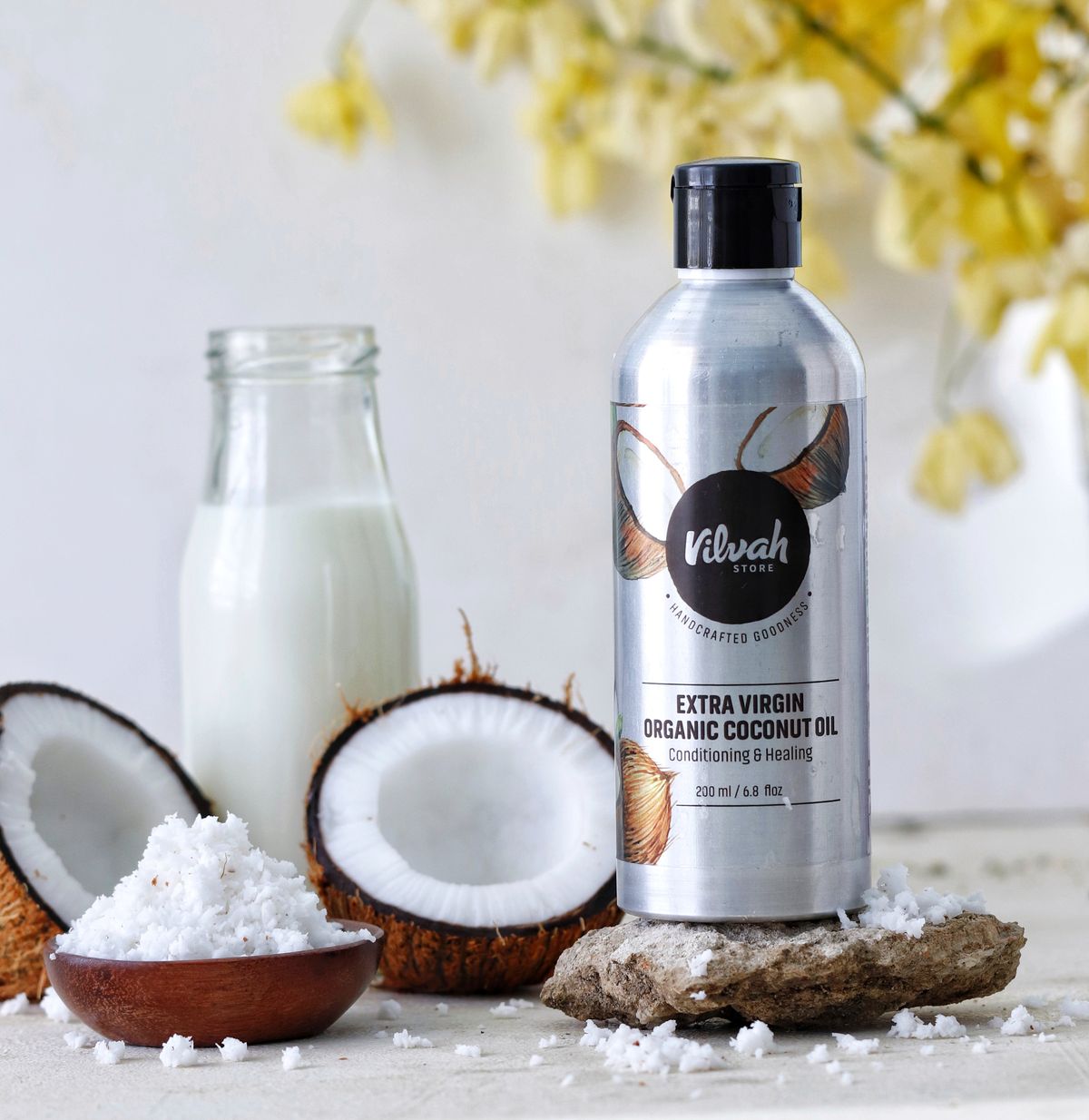
Why we picked it: This is coconut oil made specifically with babies in mind — 100% pure, organic, unrefined, and free from fragrance, additives, and nasties. It’s soft and easy to apply, absorbs gently, and works for everyday moisturizing, cradle cap, and baby massage. Because it’s formulated for delicate newborn skin, it takes the guesswork out of choosing a food-grade jar. As always, patch test and check with your pediatrician first.
- Type: Organic, unrefined
- Made for: Baby skin
- Fragrance: None added
- Texture: Soft, gentle
- Uses: Skin, scalp, massage
- Additives: None
- ✅ Baby-specific organic formula
- ✅ Fragrance-free and pure
- ✅ Gentle for cradle cap & dry skin
- ✅ Smooth for baby massage
- ✅ Simple, single ingredient
Check the latest price & reviews on Amazon. Price and availability can change.
Best for: parents who want a pure, baby-specific coconut oil for gentle everyday care (after a pediatrician’s okay).
🤝 Affiliate disclosure: As an Amazon Associate we earn from qualifying purchases. If you buy through our links, we may earn a small commission at no extra cost to you. We only recommend products we’d feel comfortable using.
Compare: baby-friendly coconut oils
A baby-specific jar, a classic organic virgin oil, or an organic multi-use option — all should be pure and unrefined.
| Product | Best for | Type | Note | Buy |
|---|---|---|---|---|
| Kokoso Baby Coconut Oil | Delicate baby skin | Organic, unrefined | Made for babies, fragrance-free | Check on Amazon |
| Nature’s Way Organic Virgin | Whole-family use | Extra-virgin | Pure, food-grade, multi-use | Check on Amazon |
| Organic Virgin Coconut Oil (alt) | Everyday moisturizing | Organic, unrefined | Cold-pressed, no additives | Check on Amazon |
Coconut Oil vs Other Baby Oils
Coconut oil isn’t the only option for baby skin, and parents often wonder how it stacks up against the classics. Here’s a friendly comparison — remembering that your pediatrician’s preference should guide your choice.
| Oil | Feel | Notes for baby skin |
|---|---|---|
| Coconut oil | Light, absorbs well | Moisturizing, mild antimicrobial; choose organic, unrefined, fragrance-free |
| Mineral oil | Heavy, sits on top | Common in baby oils; forms a barrier but doesn’t absorb |
| Olive oil | Rich, greasy | Once popular, but some studies suggest it may weaken the skin barrier in babies — ask your doctor |
| Almond oil | Light, silky | Gentle for many, but a nut oil, so allergy caution applies |
The takeaway: coconut oil is a light, absorbable, single-ingredient option that many parents like, but there’s no one “best” oil for every baby. If your pediatrician recommends a specific product or a dedicated baby moisturizer, follow that guidance first.
When to Avoid Coconut Oil (or Ask First)
Coconut oil isn’t right for every situation. Skip it or get medical advice first if:
- Your baby is a newborn or premature — their skin barrier is still developing; ask your pediatrician.
- The skin is broken, weeping, blistered, or infected — oil can trap moisture and worsen some conditions.
- There’s an active, severe diaper rash or eczema flare — these need proper treatment.
- Your family has coconut or nut sensitivities — discuss allergy risk with your doctor.
- Your baby reacts — any redness, rash, or discomfort means stop and call your pediatrician.
When it comes to your baby, there’s no such thing as being too careful. Your pediatrician’s advice always comes before anything you read online — including this page. Read our full wellness disclaimer.
Common Mistakes (and Fixes)
- Skipping the pediatrician check.
✅ Fix: Always ask first, especially for newborns and skin conditions. - Using a scented or refined oil.
✅ Fix: Choose organic, unrefined, fragrance-free only. - Applying too much.
✅ Fix: A thin layer is plenty; more just feels greasy. - Treating a real rash or eczema with oil.
✅ Fix: See your pediatrician for proper treatment. - Not patch testing.
✅ Fix: Test a small area 24 hours before wider use.
Real-Life Examples
- Cradle cap: a thin layer, 15 minutes, gentle brushing, then a mild shampoo — a common gentle routine.
- Post-bath dryness: a little oil on damp skin helps seal in moisture in dry weather.
- Bedtime massage: warmed oil and slow strokes as a calming pre-sleep ritual.
- Sensitive skin: a parent patch tests, sees mild redness, and switches to a pediatrician-recommended cream.
A Gentle Daily Baby Skincare Routine
You don’t need a shelf full of products for happy baby skin — simple and consistent wins. Here’s a gentle framework where coconut oil can play a small, optional role (always after your pediatrician’s okay).
- Short, lukewarm baths a few times a week, using a mild, fragrance-free baby wash. Long, hot baths dry out delicate skin.
- Pat, don’t rub, dry with a soft towel, leaving the skin just slightly damp.
- Moisturize right away while skin is still damp — a thin layer of coconut oil or a pediatrician-recommended baby moisturizer helps seal in water.
- Massage time (optional) with a little warmed oil for bonding and calm, especially before naps or bedtime.
- Protect from the elements — keep baby out of harsh sun and wind, which dry and irritate skin.
Keep an eye on how your baby’s skin responds and adjust. If dryness, redness, or a rash persists despite gentle care, that’s your cue to check in with your pediatrician rather than layering on more products.
Frequently Asked Questions
Is coconut oil safe for newborns?
For many healthy babies a small amount of pure, organic virgin coconut oil on the skin is gentle, but newborn and premature skin is especially delicate. Always check with your pediatrician first and patch test before use.
Can I use coconut oil for my baby’s cradle cap?
Often yes, as a gentle home approach: massage a thin layer on, wait about 15 minutes, gently loosen the flakes with a soft brush, then wash out with mild baby shampoo. Confirm with your pediatrician, and stop if it looks red or irritated.
What kind of coconut oil is best for babies?
Choose 100% pure, organic, unrefined (virgin), fragrance-free coconut oil. A product formulated specifically for babies is a simple, safe choice.
Can coconut oil help baby eczema?
Some babies with mild eczema find it soothing, but eczema is a medical condition and reactions vary. Talk to your pediatrician or a pediatric dermatologist before using it on eczema-prone or broken skin.
Can I use coconut oil on diaper rash?
A thin layer may help with mild dryness, but it’s not a treatment for an active diaper rash. For a raw, blistered, or persistent rash, see your pediatrician for a proper barrier or medicated cream.
How often can I put coconut oil on my baby?
For general moisturizing, once daily (such as after a bath) is common, using a thin layer. Follow your pediatrician’s guidance and reduce use if you see any irritation.
Your Safe-Use Checklist
- Ask your pediatrician before starting
- Choose organic, unrefined, fragrance-free oil
- Patch test 24 hours ahead
- Use a thin layer of gently warmed oil
- Apply on damp skin after a bath
- Avoid hands, face, and broken skin
- Stop and call your doctor at any sign of a reaction
The Bottom Line
Coconut oil can be a gentle, natural helper for baby dry skin, cradle cap, and calming massage — when it’s pure, unrefined, fragrance-free, patch tested, and cleared by your pediatrician. It’s not a treatment for real rashes, eczema flares, or infected skin, and newborns deserve extra caution. Lead with your pediatrician’s advice, use a light touch, and watch your baby’s skin closely. A trusted, baby-specific choice like organic baby coconut oil makes the pure-and-gentle part easy.
👉 Coconut oil for skin · Coconut oil benefits · 50+ ways to use it · Best coconut oil guide