
You’ve probably heard that coconut oil for cats can help with everything from dull coats to hairballs. Some of that is true — but cats are not small dogs or tiny humans, and their bodies handle fats very differently. Before you add a spoonful to your cat’s dinner, here’s the honest, vet-aware truth about what coconut oil can (and can’t) do, how to use it safely, and when to skip it entirely.
This article is general information, not veterinary advice. Cats are obligate carnivores with sensitive digestion, and coconut oil is high in fat, which can cause problems for some cats. Always check with your veterinarian before giving your cat coconut oil — especially if your cat has pancreatitis, is overweight, has a sensitive stomach, or any health condition. Start tiny, go slow, and stop if anything seems off.
With that key caution front and center, let’s look at the realistic benefits, the real risks, and the safe way to try coconut oil for your cat — topically and, only with your vet’s okay, in the diet.
Is Coconut Oil Safe for Cats?
In small amounts, coconut oil is generally considered non-toxic to cats, and many owners use a little topically or as an occasional treat with no issues. It’s not poisonous the way, say, onions or lilies are. So a tiny taste won’t hurt most healthy cats.
But “non-toxic” is not the same as “beneficial” or “risk-free.” Cats are obligate carnivores — their bodies are built to run on animal protein and fat, not plant oils — and their digestive systems are sensitive to sudden dietary changes and high fat loads. Too much coconut oil can cause diarrhea, vomiting, and even contribute to serious problems like pancreatitis. That’s why the safe approach is tiny amounts, introduced slowly, and only after a chat with your vet.
Coconut oil isn’t poison to cats, but it isn’t a superfood for them either. For an obligate carnivore, more fat is not automatically better — and your vet knows your cat’s health in a way a web article never can.
Possible Benefits (With Honest Caveats)
Most coconut oil benefits for cats are anecdotal or extrapolated from other species — solid feline research is limited. That said, here are the areas where owners and some vets see a possible upside, used carefully:
- 🐾 Coat and skin (topical): a thin dab may soften dry skin or add shine to a dull coat — this is the lowest-risk use.
- 😺 Hairballs: the oil’s lubricating quality may help the occasional hairball pass (see cautions below).
- 🦷 Minor skin spots: its mild antimicrobial fatty acids may soothe small dry patches.
- 🍽️ Palatability: a little can make food more tempting for a picky eater — but calories add up fast.
Coconut oil is not a proven treatment for feline disease, weight loss, or immune health. If you’re hoping to fix a real problem — chronic vomiting, weight, skin disease, dental issues — talk to your vet about proven options rather than relying on coconut oil.
The Real Risks You Should Know
This is the part many “coconut oil is great for pets” articles skip. Because coconut oil is essentially pure fat, it carries genuine risks for cats:
- Digestive upset: diarrhea and vomiting are common if you give too much or too soon.
- Weight gain: it’s calorie-dense (about 120 calories per tablespoon) — a lot for a small animal.
- Pancreatitis risk: high-fat additions can trigger or worsen this painful, serious condition in susceptible cats.
- Greasy coat (topical overuse): too much on the fur leaves a mess your cat will lick off, adding to their fat intake.
Vomiting, diarrhea, loss of appetite, lethargy, or belly pain after giving coconut oil. These can be signs of digestive upset or pancreatitis and deserve prompt veterinary attention. Read our full wellness disclaimer.
Coconut Oil for a Cat’s Coat and Skin
Topical use is the safest way to try coconut oil, since it avoids the digestive risks (though cats groom, so they’ll still ingest some). For a dry patch or dull coat:
- Warm a tiny amount — a pea-size or less — between your fingers.
- Rub a very thin layer onto the dry area or work lightly through the coat.
- Go sparingly: you want a hint of moisture, not a greasy cat.
- Let your cat groom normally, and watch that they don’t over-ingest.
If the skin issue is widespread, itchy, scabby, or not improving, that’s a job for the vet — skin problems in cats can signal allergies, parasites, or infection that oil won’t fix.
Coconut Oil for Hairballs
Some owners use a small dab of coconut oil to help lubricate the digestive tract so hairballs pass more easily, similar to commercial hairball remedies. A very small amount (think a lick, not a spoon) may help occasionally. However, coconut oil is not a proven or preferred hairball treatment, and giving too much can cause diarrhea. Frequent hairballs can also point to over-grooming or a GI issue, so if hairballs are a regular problem, ask your vet about a proper hairball product or an underlying cause.
How Much Coconut Oil Is Safe for a Cat?
Less is truly more. There’s no official feline dose, but the common careful guidance is to start extremely small and only continue with your vet’s blessing.
| Stage | Typical careful amount | Notes |
|---|---|---|
| First taste (test) | A tiny lick (1/8 tsp or less) | Watch 24–48 hrs for any upset |
| If tolerated | Up to ~1/4 tsp, a few times a week | Not daily; not a supplement |
| Topical | Pea-size, thin layer | Safest use; avoid over-greasing |
These are cautious general figures, not a prescription. Your vet may advise less, or none at all, based on your cat’s weight and health. Never jump straight to a full teaspoon or make it a daily habit without guidance.
How to Introduce Coconut Oil Safely
- Ask your vet first — especially for kittens, seniors, overweight cats, or any medical condition.
- Choose a pure, organic, unrefined (virgin) coconut oil with no additives.
- Start with a tiny taste and wait 24–48 hours, watching for vomiting or diarrhea.
- Go slow: if all is well, offer a small amount only occasionally, not daily.
- Adjust their food calories so the added fat doesn’t pack on weight.
- Stop immediately at any sign of digestive upset and check with your vet.
Because coconut oil is calorie-dense, treat any amount as part of your cat’s daily calories, not a freebie. For an indoor cat that’s already prone to weight gain, topical use may be the wiser choice over feeding it.
Best Coconut Oil for Cats
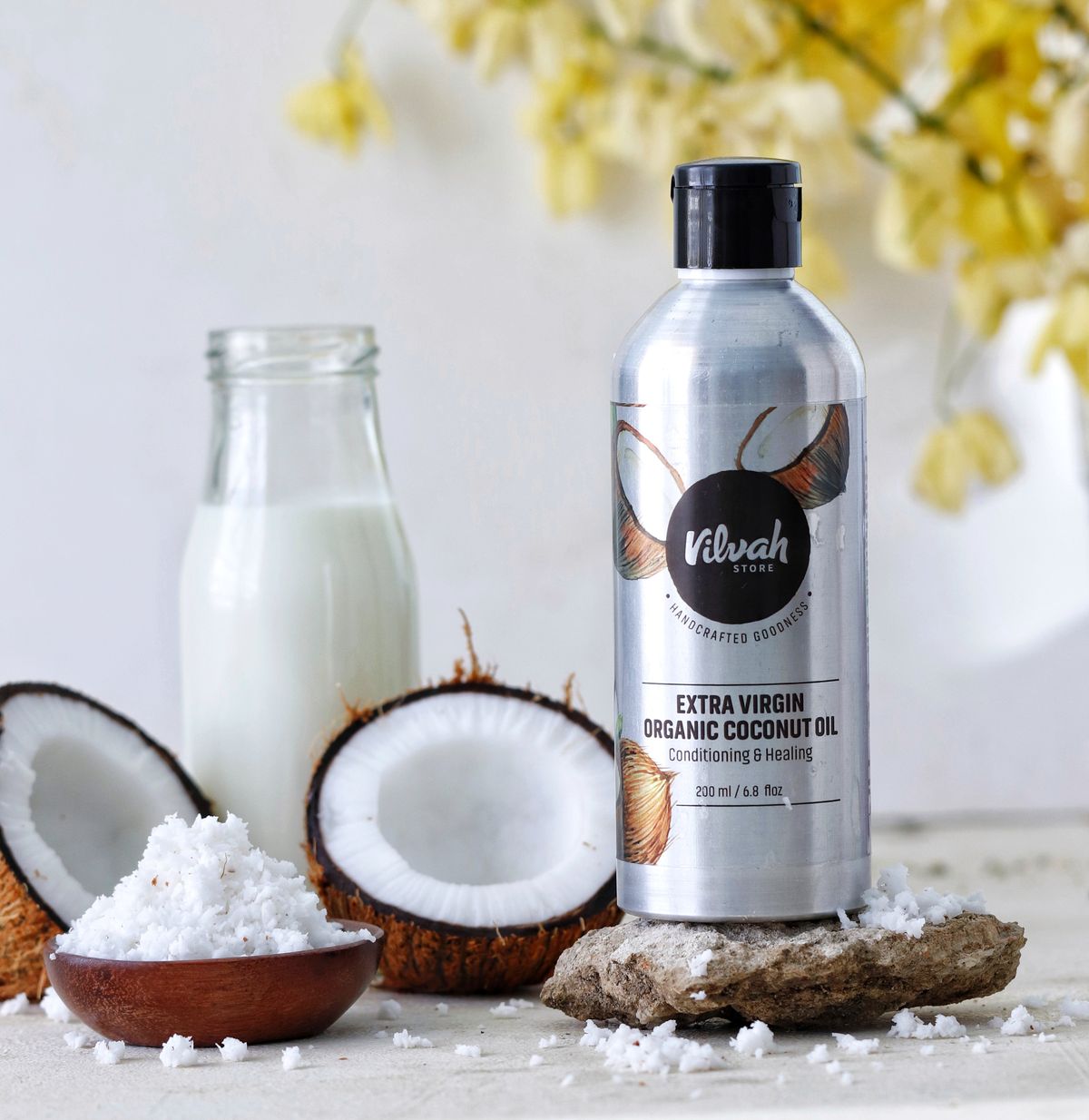
Whether topical or (vet-approved) dietary, pick a pure, organic, unrefined coconut oil with nothing added. A product aimed at pets can make portioning simple. Here’s our top pick.
Raw Paws Organic Virgin Coconut Oil for Pets
PET-FORMULATED
Why we picked it: This is organic, cold-pressed, unrefined virgin coconut oil made with pets in mind — pure, food-grade, and free from additives. That purity is exactly what you want if you’re using a little on your cat’s coat or, with your vet’s okay, offering a tiny taste. It’s versatile for the whole household’s pets and easy to portion in small amounts. As always for cats: start tiny, go slow, and ask your vet first.
- Type: Organic, virgin
- Process: Cold-pressed
- Made for: Pets
- Additives: None
- Uses: Coat, skin, treats
- Grade: Food-grade
- ✅ Pure & organic — no additives
- ✅ Cold-pressed, unrefined virgin oil
- ✅ Great for coat and dry-skin dabs
- ✅ Easy to portion in tiny amounts
- ✅ Multi-pet household friendly
Check the latest price & reviews on Amazon. Price and availability can change.
Best for: cat owners who want a pure, pet-focused coconut oil for careful topical use or the occasional vet-approved taste.
🤝 Affiliate disclosure: As an Amazon Associate we earn from qualifying purchases. If you buy through our links, we may earn a small commission at no extra cost to you. We only recommend products we’d feel comfortable using.
Compare: coconut oils for pets
A pet-formulated jar or a pure organic virgin oil — both should be unrefined and additive-free.
| Product | Best for | Type | Note | Buy |
|---|---|---|---|---|
| Raw Paws for Pets | Cats & multi-pet homes | Organic virgin | Pet-formulated, pure | Check on Amazon |
| Nature’s Way Organic Virgin | Whole-household use | Extra-virgin | Pure, food-grade | Check on Amazon |
| Viva Naturals Organic (alt) | Everyday pantry + pet | Cold-pressed virgin | Unrefined, no additives | Check on Amazon |
Coconut Oil vs Fish Oil for Cats
Here’s something many coconut oil articles won’t tell you: for a cat’s skin and coat, fish oil is often the better-supported choice. The reason is the type of fat. Coconut oil is rich in saturated medium-chain fats, while fish oil provides omega-3 fatty acids (EPA and DHA) that are genuinely linked to skin, coat, joint, and heart health in cats. Cats also process omega-3s in a way that fits their carnivore biology.
| Feature | Coconut oil | Fish oil |
|---|---|---|
| Main fats | Saturated (MCTs) | Omega-3 (EPA/DHA) |
| Coat & skin support | Anecdotal | Better-supported |
| Best use | Topical dabs; occasional taste | Vet-guided dietary supplement |
| Main risk | High fat: GI upset, pancreatitis | Overdose, rancidity if stored poorly |
None of this means coconut oil is useless — a thin topical dab can still help a dry patch. But if your real goal is a healthier coat or skin from the inside, ask your vet whether a proper omega-3 supplement made for cats is a better fit. It usually is.
Kittens, Seniors, and Special Cases
Age and health change the math. Kittens have delicate, developing digestive systems and very specific nutritional needs, so don’t add coconut oil to a kitten’s diet without your vet’s guidance — a growing kitten’s food should do the work. Senior cats are more likely to have hidden conditions like kidney disease, diabetes, or a history of pancreatitis, all of which make added fat riskier; a vet check is essential before trying it.
Overweight cats are a common special case — the extra calories in coconut oil work directly against a weight-loss plan, so topical use (if any) is the safer route. And cats on medication or prescription diets should only get coconut oil with explicit vet approval, since it can interfere with a carefully balanced plan. In every one of these cases, the theme is the same: the more vulnerable the cat, the more important it is to let your veterinarian make the call.
When to Avoid Coconut Oil for Your Cat
Skip coconut oil, or get explicit vet clearance first, if your cat:
- Has a history of pancreatitis — high fat can be dangerous.
- Is overweight or obese — the extra calories work against them.
- Has a sensitive stomach or ongoing GI issues — it may worsen diarrhea or vomiting.
- Is diabetic or has other chronic conditions — always coordinate with your vet.
- Reacts poorly to a first tiny taste — that’s your answer; don’t push it.
For most cats, coconut oil is a occasional, tiny-amount, mostly-topical extra — not a daily supplement. When in doubt, less is safer, and your veterinarian’s advice always comes first.
Common Mistakes (and Fixes)
- Giving too much, too fast.
✅ Fix: Start with a tiny lick and increase only slowly, if at all. - Making it a daily supplement.
✅ Fix: Keep it occasional; it’s not a required nutrient for cats. - Ignoring calories.
✅ Fix: Count it toward daily food to avoid weight gain. - Using it to treat a real illness.
✅ Fix: See your vet for vomiting, skin disease, or weight issues. - Skipping the vet check.
✅ Fix: Always ask first, especially for at-risk cats.
Real-Life Examples
- Dull winter coat: a tiny topical dab adds a bit of shine and softens dry skin.
- Occasional hairball: a small lick may help it pass, used sparingly with vet input.
- Picky eater: a hint of oil makes food tempting, but the owner trims other calories.
- Sensitive stomach: a first taste causes loose stool, so the owner stops and calls the vet.
Frequently Asked Questions
Is coconut oil safe for cats?
In small amounts it’s generally non-toxic, and topical use is lowest-risk. But it’s high in fat and can cause diarrhea, vomiting, weight gain, or pancreatitis if overused. Start tiny and ask your vet first.
How much coconut oil can I give my cat?
Start with a tiny taste (about 1/8 teaspoon or less) and watch for 24–48 hours. If tolerated and vet-approved, small amounts a few times a week — not daily. Never start with a full teaspoon.
Can coconut oil help my cat’s hairballs?
A very small amount may help the occasional hairball pass, but it’s not a proven remedy and too much causes diarrhea. For frequent hairballs, ask your vet about a proper product and underlying causes.
Is coconut oil good for a cat’s coat?
A thin topical dab can soften dry skin and add shine, and this is the safest way to use it. For widespread, itchy, or scabby skin problems, see your vet instead.
Can coconut oil hurt my cat?
Yes, if overused. Because it’s pure fat, too much can trigger digestive upset, weight gain, or pancreatitis, which is serious. Avoid it in cats prone to pancreatitis or that are overweight unless your vet approves.
What kind of coconut oil is best for cats?
Choose pure, organic, unrefined (virgin) coconut oil with no additives. A pet-formulated jar makes portioning small amounts easy.
Your Safe-Use Checklist
- Ask your vet before feeding coconut oil
- Choose pure, organic, unrefined oil
- Start with a tiny taste and wait 24–48 hours
- Keep it occasional, not a daily supplement
- Count the calories toward daily food
- Prefer topical use for coat and skin
- Stop and call the vet at any sign of upset
The Bottom Line
Coconut oil for cats is a “small amounts, big caution” situation. It’s not toxic, and a thin topical dab can help a dull coat, but as pure fat it can cause diarrhea, weight gain, or pancreatitis if you overdo it — and cats, as obligate carnivores, don’t need it. If you’d like to try it, pick a pure, pet-focused oil like organic virgin coconut oil for pets, start with a tiny taste, keep it occasional, and let your veterinarian guide you every step of the way.
👉 Coconut oil for dogs · Coconut oil benefits · Best coconut oil guide · 50+ ways to use it