Ever wanted to make your own gorgeous, hard, bubbly bars of soap at home? The secret ingredient is coconut oil. In coconut oil soap making, this one oil delivers a hard bar, big fluffy lather, and excellent cleansing power — which is exactly why nearly every soap recipe includes it. This friendly, beginner-focused guide walks you through why it works, a simple recipe, the crucial safety rules, and the best oil to buy.
Coconut oil is a star soap-making oil because it makes bars hard, long-lasting, and richly bubbly with excellent cleansing. Most recipes use it at around 20–30% of the oils (too much can be drying). You’ll combine it with lye (sodium hydroxide) and other oils to make cold-process soap. Lye is caustic — safety gear and care are essential.
Below you’ll learn what coconut oil does in soap, how much to use, a simple beginner recipe, the safety must-knows, and the best coconut oil to buy in a soap-friendly size. Let’s make beautiful bars.
Cold-process soap requires lye (sodium hydroxide, NaOH), which is caustic and can cause serious burns. Always wear goggles and gloves, work in a ventilated area, add lye TO water (never water to lye), keep kids and pets away, and never guess measurements — use a soap calculator and a scale. If lye makes you nervous, use a pre-made melt-and-pour base instead (no lye handling). This article is a general guide; follow trusted soap-making safety resources.
Why Coconut Oil Is a Top Soap-Making Oil
Open almost any soap recipe and you’ll see coconut oil near the top of the list. That’s because it brings qualities no other single oil offers as well. Here’s what it does in a bar:
- 🧼 Hard, long-lasting bars — coconut oil makes soap firm and durable, so your bars don’t turn to mush.
- 🫧 Big, fluffy lather — it’s famous for a rich, bubbly, generous foam that most people love.
- ✨ Excellent cleansing — it’s a strong cleanser that cuts grease and dirt (which is why you don’t want too much — see below).
- 🌡️ Reliable to work with — it traces (thickens) predictably, making it beginner-friendly.
- 💛 Affordable and available — a big tub is cheap and easy to find.
The one catch: coconut oil is such a good cleanser that using too much can strip the skin and feel drying. The art of soap making is balancing it with other oils (like olive or shea) and a little extra fat (“superfat”) for a bar that’s cleansing and gentle. For more household uses, see our 50+ ways to use coconut oil guide.
Coconut oil is the workhorse of soap making: it gives you a hard bar and huge bubbles. The trick is using just enough — about a quarter to a third of your oils — so it cleanses beautifully without drying out your skin.
How Much Coconut Oil to Use (The Percentage Rule)
This is the key to a great bar. Because coconut oil is so cleansing, most soap makers keep it to about 20–30% of the total oils in a recipe. That gives you the hardness and lather without over-drying. Here’s a simple guide:
| Coconut oil % | Result | Best for |
|---|---|---|
| 15–20% | Gentle, mild bar | Sensitive or dry skin |
| 20–30% | Balanced: hard + bubbly + not too drying | Most everyday bars |
| 30–40% | Very hard, big lather, more cleansing | Those wanting extra bubbles (higher superfat) |
| 100% | Super-cleansing, can be drying | Laundry/utility soap or salt bars (high superfat) |
A 100% coconut oil bar is a thing (it’s popular for laundry soap and salt bars), but for skin it needs a high “superfat” — extra un-reacted oil — to avoid being harsh. For your first skin-care bar, stick to the 20–30% sweet spot combined with other oils.
What You’ll Need
- Safety gear: goggles, rubber gloves, long sleeves.
- A digital kitchen scale (soap is measured by weight, not volume).
- Lye (sodium hydroxide) — pure, for soap making.
- Distilled water.
- Oils: coconut oil plus others (olive, etc.).
- A stainless steel or heavy plastic pot (never aluminum — it reacts with lye).
- A stick (immersion) blender for reaching “trace.”
- A soap mold, a thermometer, and a soap calculator (essential for safe lye amounts).
The amount of lye must be exactly right for your specific oils. Always run your recipe through a trusted online lye/soap calculator before making soap — never eyeball it. Getting lye wrong makes soap that’s either caustic or won’t set. This is non-negotiable for safety.
A Simple Cold-Process Recipe (Beginner)
Here’s a classic, balanced beginner recipe. Always double-check the lye amount in a soap calculator for your exact oils and desired superfat (5% is common).
- Coconut oil: ~25% (e.g., 250 g)
- Olive oil: ~55% (e.g., 550 g) — for a mild, conditioning bar
- Shea butter or another hard oil: ~20% (e.g., 200 g)
- Lye (NaOH): the exact amount from your soap calculator for these oils
- Distilled water: per your calculator (often ~2.3x the lye weight)
- Optional: skin-safe essential oil or fragrance, at a safe usage rate
This kind of recipe gives a hard, gently bubbly, skin-friendly bar. Once you’re comfortable, you can experiment with different oil blends and add-ins.
Step-by-Step Cold-Process Method
- Gear up and set up. Goggles, gloves, ventilation, clean workspace, kids and pets away.
- Weigh everything precisely with your scale — oils, lye, and water separately.
- Make the lye solution. Slowly add the lye to the water (never the reverse), stirring gently. It heats up and fumes — do this in a ventilated spot and let it cool.
- Melt and combine the oils. Gently melt the coconut oil and hard oils, then mix in liquid oils. Aim for lye and oils at a similar, warm temperature (often around 100–110°F).
- Combine and blend to trace. Pour the lye solution into the oils and use the stick blender until the mix thickens to “trace” (like thin pudding).
- Add extras. Stir in essential oils or additives quickly.
- Pour into the mold and smooth the top.
- Insulate and wait. Cover and leave 24–48 hours to set, then unmold and cut into bars.
- Cure. Let bars cure in a cool, airy spot for 4–6 weeks before using — this hardens them and completes the soap-making reaction.
Curing isn’t optional. A freshly cut bar is still harsh and soft. After 4–6 weeks of curing, the same bar is milder, harder, and longer-lasting. Mark the date and resist the urge to use them early.
The Easier Way: Melt-and-Pour (No Lye)
Not ready to handle lye? No problem. Melt-and-pour soap uses a pre-made soap base (often available with coconut oil already in it) that you simply melt, color, scent, and pour into molds. There’s no lye handling, so it’s perfect for beginners, kids’ projects (with supervision), and quick gifts. You still get the fun and creativity of custom bars — you just skip the chemistry. It’s a great way to start before graduating to cold process.
Which Coconut Oil to Use for Soap
For soap making, the classic choice is “76-degree” coconut oil — that’s refined coconut oil with a melt point around 76°F. It’s the standard, affordable soap-making oil: consistent, mild-smelling, and it behaves predictably. You can also use virgin (unrefined) coconut oil; it works fine and adds a faint coconut scent, but it’s pricier and not necessary for soap. There’s also “92-degree” (a harder version) for hot climates.
The bottom line: a big tub of 76-degree (or plain refined) coconut oil is the economical, reliable pick for soap. Save your virgin oil for skin and cooking, and use a bulk soap-grade tub for your bars.
Best Coconut Oil for Soap Making
For soap, you want a big, economical tub of soap-grade (76-degree) coconut oil so you can make batch after batch affordably. Here’s our top pick.
76-Degree Coconut Oil (7 lb / 1 Gallon)
SOAP-GRADE
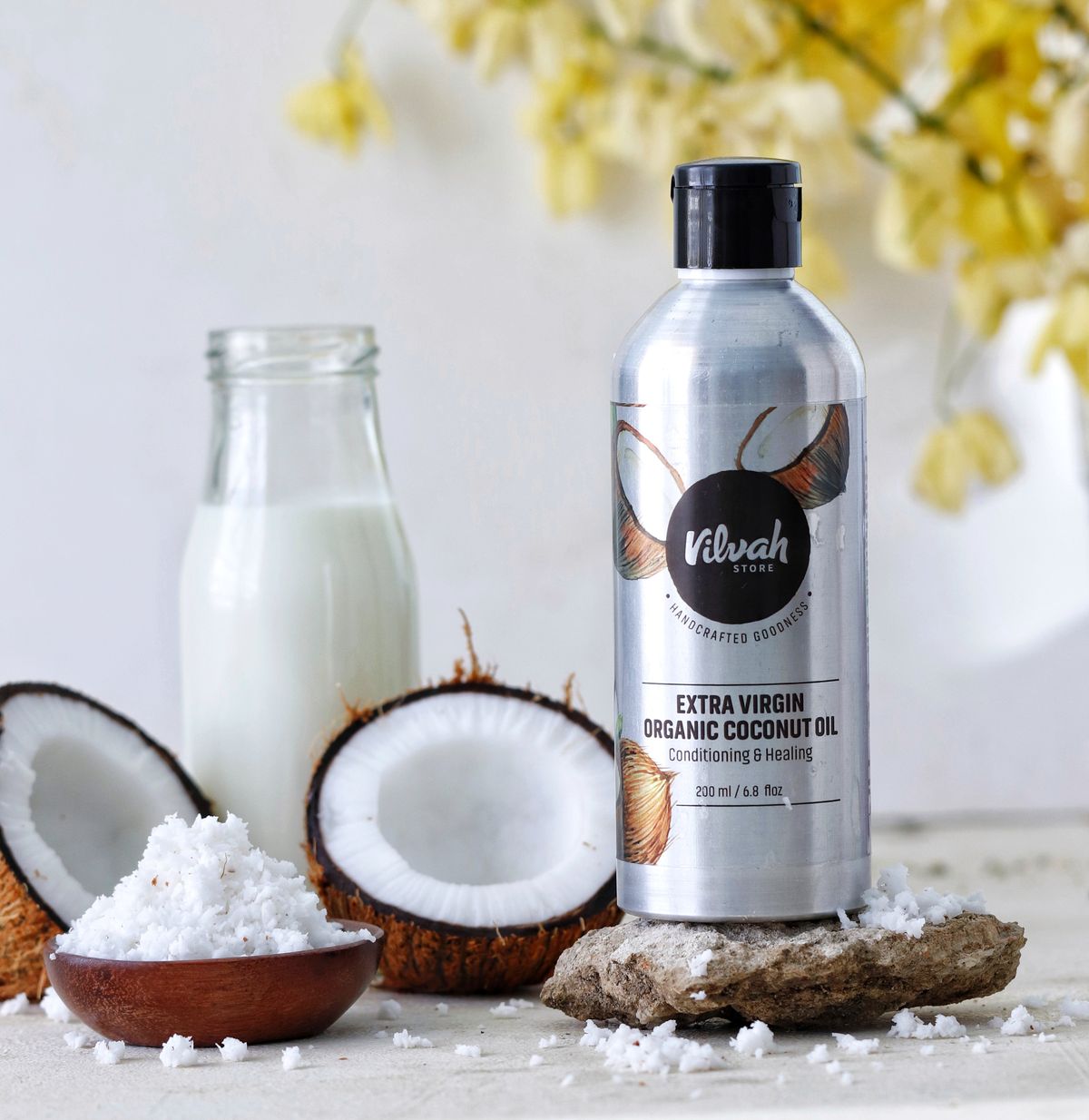
Why we picked it: This is the classic 76-degree coconut oil soap makers reach for — a big 7-lb (1-gallon) jug that’s economical for batch after batch. It’s odorless and consistent, so it behaves predictably in cold-process recipes, giving you hard, long-lasting bars with the big, fluffy lather coconut oil is famous for. The large size means you’ll always have enough on hand, and it’s food-grade too, so it’s versatile beyond the soap pot. Pair it with a soap calculator and proper lye safety and you’re ready to make beautiful bars.
- Type: 76-degree (refined)
- Size: 7 lb / 1 gallon
- Scent: Odorless
- Behavior: Consistent, predictable
- Best for: Cold-process soap
- Grade: Food-grade
- ✅ Big, economical tub for batches
- ✅ Hard, long-lasting bars
- ✅ Huge, fluffy lather
- ✅ Odorless & consistent for recipes
- ✅ Food-grade and multi-use
Check the latest price & reviews on Amazon. Price and availability can change.
Best for: soap makers who want an affordable, reliable, soap-grade coconut oil in bulk.
🤝 Affiliate disclosure: As an Amazon Associate we earn from qualifying purchases. If you buy through our links, we may earn a small commission at no extra cost to you. We only recommend products we’d genuinely use.
Compare: coconut oils for soap
A bulk 76-degree tub for batches, or a pure virgin option for smaller runs.
| Product | Best for | Type | Note | Buy |
|---|---|---|---|---|
| 76-Degree 7 lb Jug | Batch soap making | Refined (76°) | Odorless, economical, classic | Check on Amazon |
| Island Fresh Organic 54 oz | Smaller batches + skin | Organic virgin | Big tub, multi-use | Check on Amazon |
| Nature’s Way Organic Virgin | Small runs / gifting | Extra-virgin | Pure, food-grade | Check on Amazon |
Common Mistakes (and Fixes)
- Using too much coconut oil.
✅ Fix: Keep it to 20–30% of oils for a non-drying skin bar. - Skipping the soap calculator.
✅ Fix: Always calculate the exact lye amount for your oils. - Measuring by volume, not weight.
✅ Fix: Use a digital scale — soap is all about precise weights. - Adding water to lye.
✅ Fix: Always add lye TO water, in a ventilated area, with safety gear. - Using the soap too soon.
✅ Fix: Cure bars 4–6 weeks for a harder, milder result.
Real-Life Examples
- First bar: a beginner uses a 25% coconut, 55% olive, 20% shea recipe for a balanced, gentle bar.
- Big bubbles: a maker bumps coconut oil to 35% with a higher superfat for extra lather.
- Laundry soap: a 100% coconut oil bar (high superfat) for a hard-working utility soap.
- No-lye start: a nervous beginner starts with a melt-and-pour base, then graduates to cold process.
Frequently Asked Questions
Why is coconut oil used in soap making?
Because it makes bars hard and long-lasting with big, fluffy lather and strong cleansing power. It’s reliable and affordable, which is why nearly every recipe includes it. Just keep it around 20–30% of oils so bars aren’t drying.
How much coconut oil should I use in soap?
For a gentle skin bar, about 20–30% of your total oils. Less (15–20%) is milder; more (30–40%) gives extra lather but needs a higher superfat. A 100% coconut oil bar works for laundry or salt bars with a high superfat.
Can you make soap with only coconut oil?
Yes — 100% coconut oil soap is popular for laundry and salt bars. For skin, it needs a high superfat (extra un-reacted oil) to avoid being drying, so most skin bars blend coconut oil with other oils.
What kind of coconut oil is best for soap?
The classic choice is 76-degree (refined) coconut oil — consistent, odorless, affordable, and predictable. Virgin coconut oil also works but is pricier and adds a faint scent. A big bulk tub is best for batches.
Do I have to use lye to make coconut oil soap?
Real cold-process soap requires lye (sodium hydroxide), handled with proper safety gear. If you’d rather skip lye, use a melt-and-pour soap base instead — you just melt, scent, and pour, with no lye handling.
How long does coconut oil soap need to cure?
Cold-process bars should cure 4–6 weeks in a cool, airy place. Curing hardens the bar, makes it milder, and helps it last longer. Don’t use bars before they’ve cured.
Your Soap-Making Checklist
- Wear goggles and gloves; work ventilated
- Run the recipe through a soap calculator
- Measure everything by weight on a scale
- Always add lye TO water, never the reverse
- Keep coconut oil at 20–30% for skin bars
- Blend to trace, pour, and set
- Cure bars 4–6 weeks before use
The Bottom Line
Coconut oil is the backbone of great homemade soap — it delivers hard, long-lasting bars with the big, bubbly lather everyone loves. Keep it to about 20–30% of your oils (blended with gentler oils) for a bar that cleanses without drying, always calculate your lye precisely, and respect the safety rules. Prefer no lye? Start with melt-and-pour. For batch after batch, an economical, soap-grade choice like a 7-lb tub of 76-degree coconut oil is the classic pick — now go make some beautiful bars.
👉 50+ ways to use coconut oil · Coconut oil for skin · Coconut oil benefits · Best coconut oil guide