Want a spa-quality massage at home without spending a fortune on fancy oils? Grab your coconut oil. Using coconut oil for massage gives you smooth, long-lasting glide, deeply moisturized skin, and a natural, additive-free option that’s gentle on almost everyone. This warm, hands-on guide shows you exactly how to use it, which type to choose, and how to make your own relaxing blends.
Coconut oil is a fantastic natural massage oil. It gives smooth glide, deeply moisturizes, absorbs without being too greasy, and works for the whole body. Use fractionated coconut oil for a light, non-greasy, stain-friendly feel that stays liquid, or warmed virgin coconut oil for rich, nourishing moisture. It also makes the perfect base for aromatherapy blends.
Below you’ll learn why it works so well, a step-by-step massage guide, which coconut oil to pick, easy DIY blends with essential oils, honest cautions, and the best product to buy. Let’s turn your living room into a spa.
- Why it’s a great massage oil
- Benefits for skin & muscles
- Which type to use
- How to give a massage (step by step)
- DIY aromatherapy blends
- Best uses (couples, baby, sore muscles)
- Best coconut oil for massage
- Vs other massage oils
- Making it a wellness habit
- Honest cautions
- Common mistakes
- FAQ
- Massage checklist
Why Coconut Oil Is a Great Massage Oil
Massage therapists and home users love coconut oil for a simple reason: it has the perfect balance of glide and absorption. A good massage oil needs to be slippery enough that your hands move smoothly over the skin without dragging, but not so greasy that it feels like a mess. Coconut oil hits that sweet spot beautifully.
On top of the glide, it’s a wonderful moisturizer. Its fatty acids sink into the skin and leave it soft and hydrated long after the massage ends — so you’re conditioning the skin at the same time you’re relaxing the muscles. It’s also natural and additive-free (when you choose pure oil), with no artificial fragrances or chemicals that can irritate sensitive skin. And it has a mild, pleasant scent that many people find soothing on its own.
A great massage oil should glide like silk and leave skin nourished, not greasy. Coconut oil does both — which is why it’s a staple in spas and home massage kits alike.
It’s also affordable and multi-purpose: one jar or bottle handles massage, skin, hair, and even cooking. For the full range, see our coconut oil for skin guide.
Benefits for Skin and Muscles
- 🤲 Smooth, long-lasting glide — hands move easily without constant re-application.
- 💧 Deep moisture — softens and hydrates skin during and after the massage.
- 😌 Relaxation — the soothing ritual plus a gentle natural scent helps ease stress.
- 🌿 Gentle & natural — no artificial fragrance or additives (with pure oil).
- 🧴 Perfect carrier oil — blends beautifully with essential oils for aromatherapy.
- 💛 Multi-use & affordable — one bottle covers massage, skin, and hair.
Coconut oil itself doesn’t “heal” sore muscles — the massage does the work by boosting circulation and easing tension. But coconut oil makes that massage smoother and more comfortable, and it’s the ideal base for muscle-soothing essential oils like peppermint or eucalyptus.
Which Type of Coconut Oil Should You Use?
This is the most important choice, and it changes the whole experience. There are two main options:
- Fractionated coconut oil — this is the massage-therapist favorite. It’s had the heavier fats removed, so it stays liquid at room temperature, feels light and non-greasy, absorbs cleanly, is odorless, and is less likely to stain sheets. It’s also the best carrier for essential oils and has a very long shelf life. For most massages, this is the top pick.
- Virgin (unrefined) coconut oil — solid at room temperature, so you warm it in your hands or a bowl first. It’s richer and more deeply moisturizing, with a natural coconut scent. Great for a nourishing, spa-like full-body treatment, though it can feel heavier and is more likely to mark fabrics.
| Feature | Fractionated | Virgin |
|---|---|---|
| Texture | Light liquid, always ready | Solid, needs warming |
| Feel | Non-greasy, absorbs clean | Rich, more moisturizing |
| Scent | Odorless | Natural coconut |
| Staining | Less likely | More likely |
| Best for | Everyday massage, aromatherapy | Deep-moisture spa treatment |
Bottom line: choose fractionated for a clean, light, everyday massage oil (especially with essential oils), and virgin when you want maximum moisture and don’t mind the richer feel. Learn more in our fractionated coconut oil guide.
How to Give a Massage With Coconut Oil (Step by Step)
You don’t need training to give a relaxing, feel-good massage. Here’s a simple approach.
- Set the scene. Warm room, soft lighting, calming music, and a towel down to catch drips.
- Warm the oil. If using virgin oil, melt a small amount between your palms or in a bowl of warm water. Fractionated oil is ready to go.
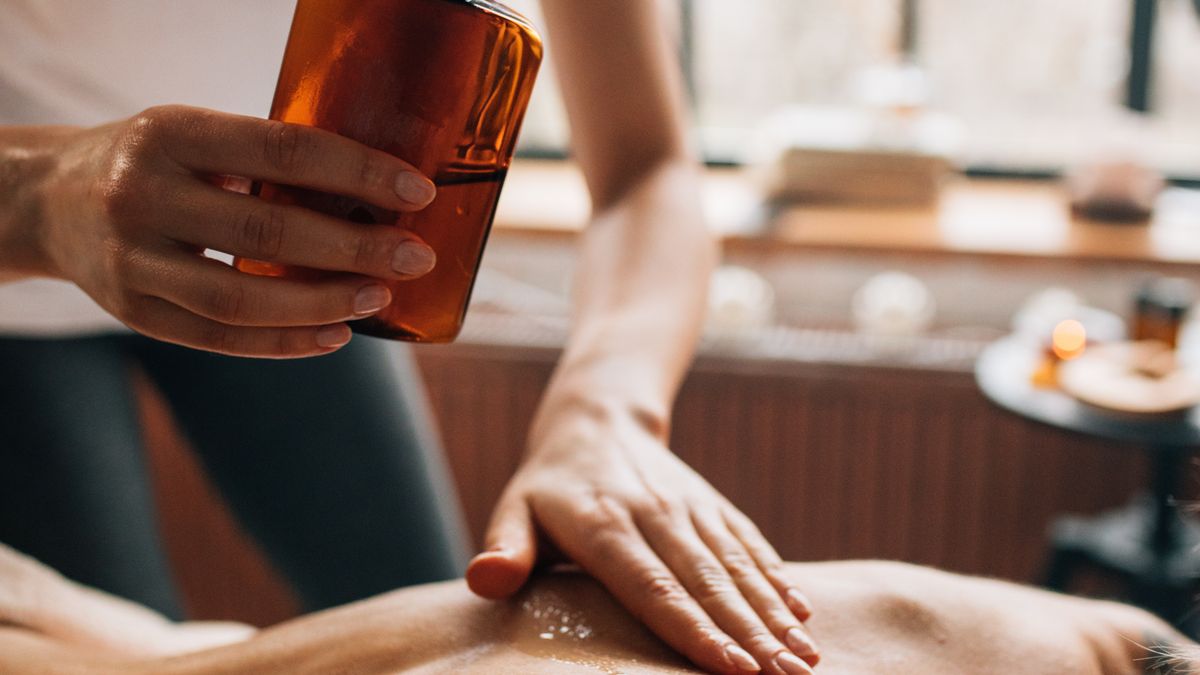
- Pour into your hands first, never straight onto the skin — rub your palms together so it’s warm and evenly spread.
- Start light, then go deeper. Begin with long, gliding strokes to spread the oil, then work into tense areas with firmer pressure.
- Use good technique: long strokes toward the heart, circular motions on knots, and gentle kneading on shoulders and back.
- Add more oil as needed — a little at a time so it never drags or feels sticky.
- Finish gently with light, slow strokes, then let the skin absorb the oil or blot excess with a towel.
Warm oil feels dramatically better than cold. Stand a small bottle of fractionated coconut oil in a mug of hot water for a few minutes before you start, or keep virgin oil in a warm bowl. Just test it on your wrist first so it’s cozy, never hot.
DIY Aromatherapy Massage Blends
Coconut oil is a fantastic carrier oil, meaning it safely dilutes concentrated essential oils so they’re gentle on skin. Try these easy blends (per 2 tablespoons / 1 oz of fractionated coconut oil, add about 6–12 drops of essential oil total):
- Relax & unwind: lavender + a touch of chamomile — calming and sleep-friendly.
- Sore-muscle soother: peppermint + eucalyptus — cooling and invigorating for tired muscles.
- Uplift & energize: sweet orange + a little rosemary — bright and refreshing.
- Romantic & warm: ylang-ylang + sandalwood — soft and sensual for a couples massage.
Always dilute essential oils in a carrier like coconut oil — never apply them undiluted to skin. Patch test any new blend 24 hours ahead, keep essential oils away from eyes and sensitive areas, and check safety guidance for pregnancy, children, and pets before use. When unsure, ask a professional.
Best Uses: Couples, Baby, and Sore Muscles
Coconut oil adapts to almost any kind of massage:
- Couples massage: its glide, warmth, and gentle scent make it a favorite for relaxing partner massages (blend with ylang-ylang or sandalwood for a romantic touch).
- Baby massage: gentle and soothing for calming babies, though always check with your pediatrician first and patch test — see our coconut oil for babies guide.
- Sore muscles & recovery: pair with peppermint or eucalyptus for a cooling post-workout rubdown.
- Scalp & foot massage: wonderful for a relaxing scalp treatment or to soften rough, tired feet.
Best Coconut Oil for Massage
For the smoothest, cleanest, most versatile massage oil, a fractionated coconut oil is the top choice — light, non-greasy, odorless, and perfect for essential-oil blends. Here’s our pick.
Handcraft Blends Fractionated Coconut Oil
TOP PICK
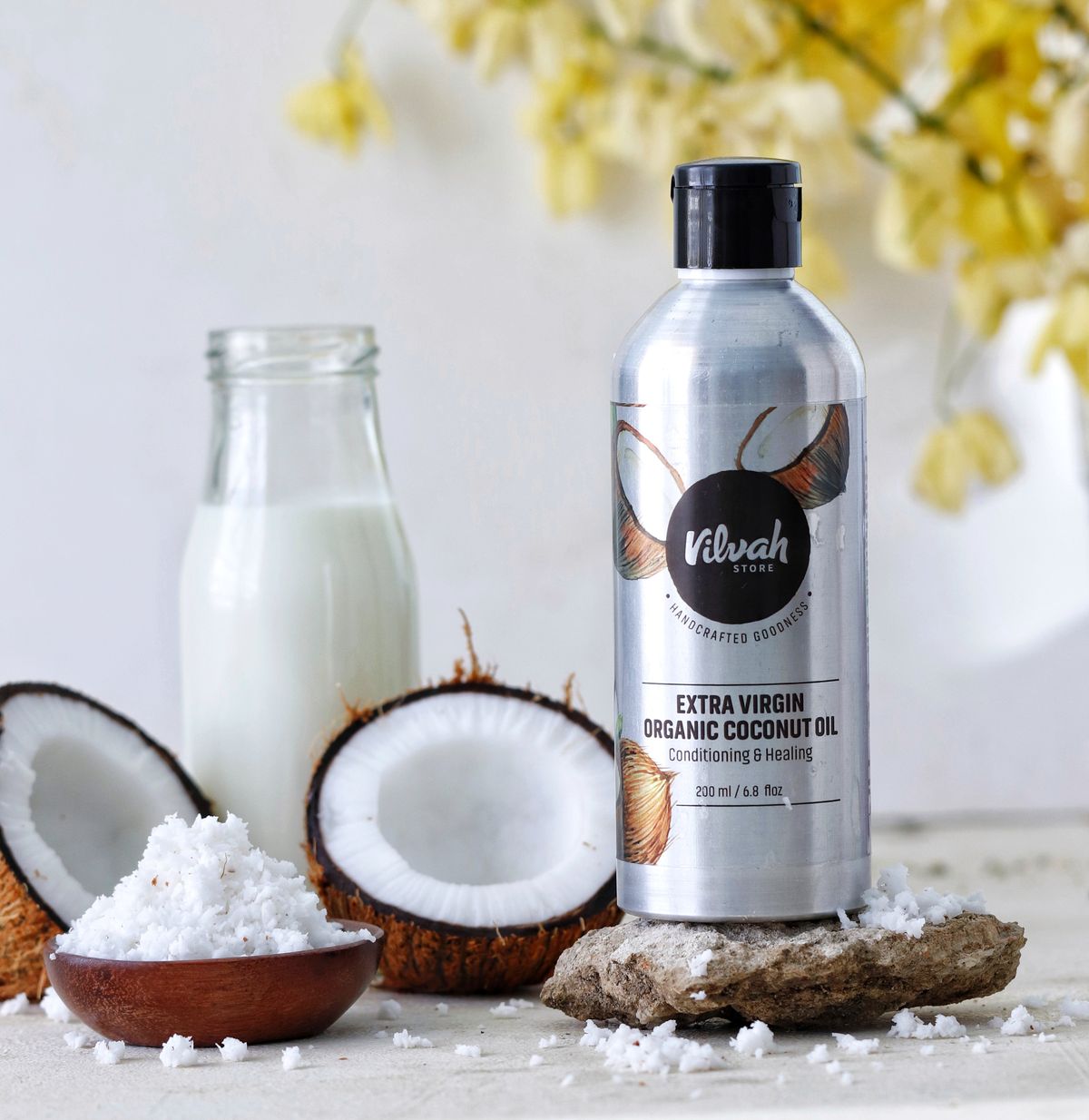
Why we picked it: This fractionated coconut oil is made for exactly this job. It stays liquid so it’s always ready, gives a smooth, long-lasting glide, and absorbs clean without the heavy, greasy feel — so it’s comfortable for both the giver and receiver. It’s odorless and less likely to stain your sheets, and because it’s a premium carrier oil, it blends perfectly with lavender, peppermint, or any essential oil for custom aromatherapy massage. One bottle also doubles for skin and hair.
- Type: Fractionated
- Feel: Light, non-greasy
- Texture: Always liquid
- Scent: Odorless
- Best for: Massage & blends
- Shelf life: Very long
- ✅ Smooth, lasting glide for easy massage
- ✅ Non-greasy — absorbs clean
- ✅ Odorless & low-stain on sheets
- ✅ Perfect carrier for essential oils
- ✅ Multi-use for skin & hair too
Check the latest price & reviews on Amazon. Price and availability can change.
Best for: anyone wanting a clean, light, versatile massage oil that’s ideal for aromatherapy blends.
🤝 Affiliate disclosure: As an Amazon Associate we earn from qualifying purchases. If you buy through our links, we may earn a small commission at no extra cost to you. We only recommend products we’d genuinely use.
Compare: massage oil options
Go light and liquid with fractionated, or rich and nourishing with virgin oil.
| Product | Best for | Type | Note | Buy |
|---|---|---|---|---|
| Handcraft Fractionated | Everyday & aromatherapy | Fractionated | Light, odorless, low-stain | Check on Amazon |
| Majestic Pure Fractionated | Carrier for essential oils | Fractionated | Non-greasy, big-bottle value | Check on Amazon |
| Nature’s Way Organic Virgin | Rich spa treatment | Extra-virgin | Deeply moisturizing, warm first | Check on Amazon |
Honest Cautions
- Allergies: if you’re allergic to coconut, skip it. Patch test if unsure.
- Staining: virgin oil especially can mark sheets — use an old towel, or choose fractionated.
- Not for use with latex: coconut oil can weaken latex, so don’t use it with latex condoms or certain latex products.
- Acne-prone backs: whole coconut oil is pore-clogging for some; a lighter fractionated oil is a safer bet on breakout-prone skin (see our coconut oil for acne guide).
- Medical conditions: for injuries, pregnancy, or health issues, check with a professional before massage.
Coconut Oil vs Other Massage Oils
Coconut oil is a favorite, but it’s not the only carrier oil out there. Here’s an honest comparison so you can pick the right feel for your massage.
| Oil | Feel & strengths | Best for |
|---|---|---|
| Coconut (fractionated) | Light, non-greasy, odorless, low-stain | Everyday massage & aromatherapy |
| Coconut (virgin) | Rich, deeply moisturizing | Nourishing spa treatments |
| Sweet almond oil | Silky, medium glide, mild scent | Classic all-purpose massage (nut allergy caution) |
| Jojoba oil | Closest to skin’s own oil, absorbs fast | Facial & sensitive-skin massage |
| Grapeseed oil | Very light, thin, low grip | Fast, light massage |
Each has a niche. Almond and jojoba are lovely, but almond is a nut oil (an allergy concern for some), and grapeseed can feel too thin for a long, deep massage. Coconut oil’s edge is its balance of glide and absorption, its long shelf life, and how cleanly fractionated coconut oil works as a carrier for essential oils. Many people keep a bottle of fractionated coconut oil as their all-rounder and reach for virgin oil when they want extra moisture.
Making Massage a Wellness Habit
Massage isn’t just a treat — done regularly, it’s genuine self-care. A few minutes of coconut oil massage can help you unwind, ease everyday tension, moisturize your skin, and create a calming ritual that signals your body it’s time to relax. Here’s how to make it stick:
- Keep it simple: a nightly 5-minute foot or hand massage with a little oil is enough to feel the benefit.
- Pair it with a routine: after a warm shower or before bed, when muscles are relaxed and skin absorbs oil best.
- Trade with a partner: a weekly 15-minute back-and-shoulder swap is a lovely shared habit.
- Match the blend to your mood: lavender to wind down, citrus to refresh, peppermint after a workout.
You don’t need a spa appointment or special skills — just a bottle of coconut oil, a few quiet minutes, and a willingness to slow down. Over time, that small ritual adds up to softer skin, looser muscles, and a calmer mind.
Common Mistakes (and Fixes)
- Using cold, unwarmed oil.
✅ Fix: Warm it in your hands or a bowl for a much better feel. - Pouring oil straight on the skin.
✅ Fix: Warm it in your palms first, then apply. - Using too much at once.
✅ Fix: Add a little at a time so it never feels sticky. - Applying undiluted essential oils.
✅ Fix: Always dilute in coconut oil and patch test. - Ruining good sheets.
✅ Fix: Lay down a towel or use low-stain fractionated oil.
Real-Life Examples
- At-home date night: a couple uses warmed fractionated oil with ylang-ylang for a relaxing partner massage.
- Post-gym recovery: peppermint-and-eucalyptus coconut blend for a cooling muscle rub.
- Wind-down routine: a lavender coconut blend for a calming foot and scalp massage before bed.
- Switching oils: someone tired of greasy oils moves to fractionated coconut and never looks back.
Frequently Asked Questions
Is coconut oil good for massage?
Yes. Coconut oil gives smooth, long-lasting glide, moisturizes the skin, and is natural and additive-free. Fractionated coconut oil is light and non-greasy for everyday massage, while warmed virgin oil is richer and more nourishing. Both make excellent carriers for essential oils.
Should I use fractionated or virgin coconut oil for massage?
Fractionated is the usual favorite — it stays liquid, feels light, is odorless, and stains less. Virgin coconut oil is richer and more moisturizing but needs warming and can feel heavier. Choose based on the feel you want.
Does coconut oil stain sheets?
Virgin coconut oil can leave marks on fabric. Use an old towel underneath, or choose fractionated coconut oil, which is lighter and less likely to stain.
Can I mix essential oils with coconut oil for massage?
Yes — coconut oil is a great carrier oil. Add about 6–12 drops of essential oil per ounce of coconut oil, patch test first, and never apply essential oils undiluted.
Is coconut oil safe for a full-body massage?
For most people, yes. It’s gentle and moisturizing. Patch test if you have sensitive or acne-prone skin, avoid it with latex products, and skip it if you have a coconut allergy.
Can I use coconut oil for a baby massage?
Many parents do, as it’s gentle and soothing, but always check with your pediatrician first and patch test on a small area. See our coconut oil for babies guide for safe-use tips.
Your Massage Checklist
- Choose fractionated (light) or virgin (rich) oil
- Warm the oil before you start
- Pour into your hands first, not the skin
- Start with light strokes, then go deeper
- Dilute essential oils and patch test
- Lay down a towel to protect sheets
- Avoid latex products and coconut allergies
The Bottom Line
Coconut oil is one of the best natural massage oils you can use — smooth glide, deep moisture, a gentle scent, and no harsh additives, all for a fraction of the price of fancy spa oils. Pick fractionated coconut oil for a light, clean, everyday feel that’s perfect for essential-oil blends, or warmed virgin oil for a rich, nourishing treatment. Warm it first, dilute any essential oils, protect your sheets, and enjoy a spa experience at home. Reach for a versatile fractionated coconut oil to get started.
👉 Fractionated coconut oil · Coconut oil for skin · 50+ ways to use it · Coconut oil benefits