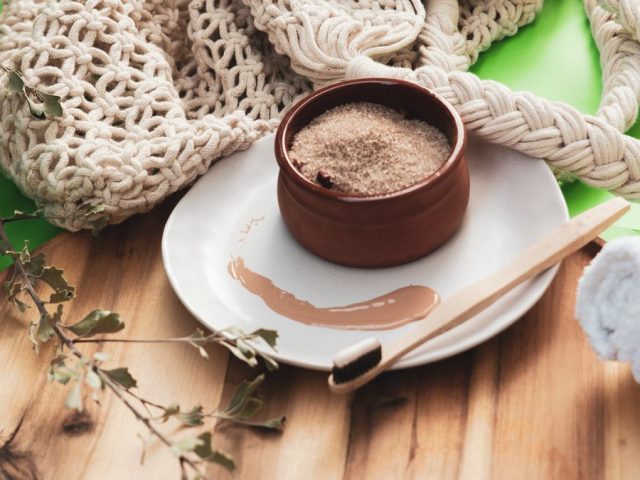
Tired of the chemicals in store-bought deodorant, or just love a good DIY? You can make a natural, effective coconut oil deodorant at home with a few pantry ingredients — and it really works to fight odor. This warm, simple guide gives you an easy recipe, explains how it keeps you fresh, covers the one ingredient that can irritate skin (and how to avoid it), and helps you switch smoothly from regular deodorant.
Coconut oil makes a great natural deodorant because its lauric acid fights the bacteria that cause body odor. Mixed with baking soda (or a gentler alternative) and arrowroot or cornstarch, it keeps you fresh for hours. Important: it’s a deodorant, not an antiperspirant — it stops odor, not sweat. Watch out for baking soda irritation and do a patch test first.
Below you’ll learn why it works, a foolproof 3-ingredient recipe (plus a sensitive-skin version), how to apply it, the honest limits, the tricky “detox” switch period, and the best coconut oil to use. Let’s get you fresh, naturally.
Why Coconut Oil Fights Odor
Here’s the surprising truth: sweat itself doesn’t smell. Body odor happens when the bacteria living on your skin break down your sweat — it’s the bacteria that create the smell. So the secret to staying fresh is controlling those odor-causing bacteria.
That’s exactly where coconut oil shines. It’s rich in lauric acid, a fatty acid with proven antibacterial properties. When you apply coconut oil to your underarms, it helps keep the odor-causing bacteria in check, so you smell fresh for hours. It also moisturizes and soothes the delicate skin of your armpits — a nice bonus after the irritation some people get from commercial antiperspirants. Combine it with baking soda (which neutralizes odor and absorbs moisture) and a starch like arrowroot (which absorbs wetness), and you’ve got a genuinely effective natural deodorant. For more household uses, see our 50+ ways to use coconut oil guide.
Body odor isn’t caused by sweat — it’s caused by bacteria feeding on sweat. Coconut oil’s lauric acid targets those bacteria directly, which is why it keeps you fresh naturally.
Deodorant vs Antiperspirant: An Important Difference
This trips a lot of people up when they switch to natural, so let’s be clear. A deodorant fights odor. An antiperspirant uses aluminum compounds to block your sweat glands so you sweat less. They’re not the same thing.
Coconut oil deodorant is a deodorant — it stops you from smelling, but you’ll still sweat normally (which many people actually prefer, since sweating is healthy and natural). If you rely on an antiperspirant to stay completely dry, switching to a natural deodorant means adjusting to some normal underarm dampness. That’s not a flaw — it’s the whole point of going aluminum-free. Set that expectation and you’ll be much happier with the switch.
Many people choose natural deodorant simply to avoid aluminum and synthetic ingredients and to let their body sweat normally. Coconut oil deodorant lets you skip those ingredients while still controlling odor with natural antibacterial power.
Easy DIY Coconut Oil Deodorant (3 Ingredients)
This classic recipe is simple, cheap, and works great. It makes a small batch that lasts weeks.
- 3 tablespoons coconut oil (the antibacterial, moisturizing base)
- 2 tablespoons baking soda (neutralizes odor, absorbs moisture)
- 2 tablespoons arrowroot powder (or cornstarch — absorbs wetness for a dry feel)
- Optional: 5–10 drops of a skin-safe essential oil (lavender, tea tree, or a citrus for scent and extra antibacterial power)
That’s it. You can tweak the ratios: use less baking soda if your skin is sensitive (see the gentler version next), and add a bit more arrowroot if you want a drier feel. The result is a soft, spreadable deodorant you can keep in a small jar.
Sensitive-Skin Version (Baking-Soda-Free)
Here’s the honest catch with the classic recipe: baking soda can irritate some people’s skin, causing redness, itching, or a rash, because it’s alkaline and the armpit skin is delicate. If that’s you, don’t give up — just swap the baking soda for gentler odor absorbers:
- 3 tablespoons coconut oil
- 3–4 tablespoons arrowroot powder (more starch to absorb moisture)
- 1 tablespoon magnesium hydroxide (milk of magnesia powder — a gentle, effective odor fighter) or a bit of zinc oxide
- Optional: a few drops of tea tree or lavender essential oil
This version skips the harsh baking soda while still keeping you fresh. If you tried a natural deodorant before and got a rash, baking soda was almost certainly the culprit — this recipe fixes that.
If you notice redness, itching, burning, or a rash in your underarms after using a baking-soda deodorant, stop and switch to the baking-soda-free version. Never apply deodorant right after shaving (broken skin stings), and patch test any new recipe on your inner arm for 24 hours first.
How to Make and Apply It
- Soften the coconut oil. If it’s solid, gently warm it until it’s soft and creamy (not fully liquid) so it mixes well.
- Mix in the powders. Stir the baking soda (or alternative) and arrowroot into the coconut oil until smooth and paste-like.
- Add essential oils if using, and stir well.
- Store it in a small jar (or press into an empty deodorant tube). It firms up as it cools.
- Apply a pea-size amount with clean fingers, rubbing it into each underarm. A little goes a long way.
- Let it absorb for a minute before dressing so it doesn’t mark clothes.
In hot weather coconut oil melts, so keep your jar somewhere cool (add a little extra arrowroot if it’s too soft). Apply to clean, dry underarms for best results. And use only a small amount — too much can feel greasy or stain clothes.
The Switch / “Detox” Period
Here’s something no one warns you about: when you first switch from an antiperspirant to a natural deodorant, you may go through an adjustment period of a week or two. Your body was used to blocked sweat glands, and now it’s sweating freely again. You might notice more sweat or stronger odor at first. This is temporary and normal — it’s often called a “pit detox.”
Stick with it. Within a couple of weeks, most people’s underarms rebalance and the coconut oil deodorant keeps them fresh. To ease the transition, wash your underarms with soap during the day if needed, reapply as necessary, and be patient. The reward is aluminum-free freshness that actually works.
Best Coconut Oil for DIY Deodorant
For deodorant, choose pure, organic, virgin coconut oil — you’re putting it on your skin, so keep it clean and additive-free. A big tub is economical for batch after batch. Here’s our top pick.
Nature’s Way Organic Extra Virgin Coconut Oil
TOP PICK
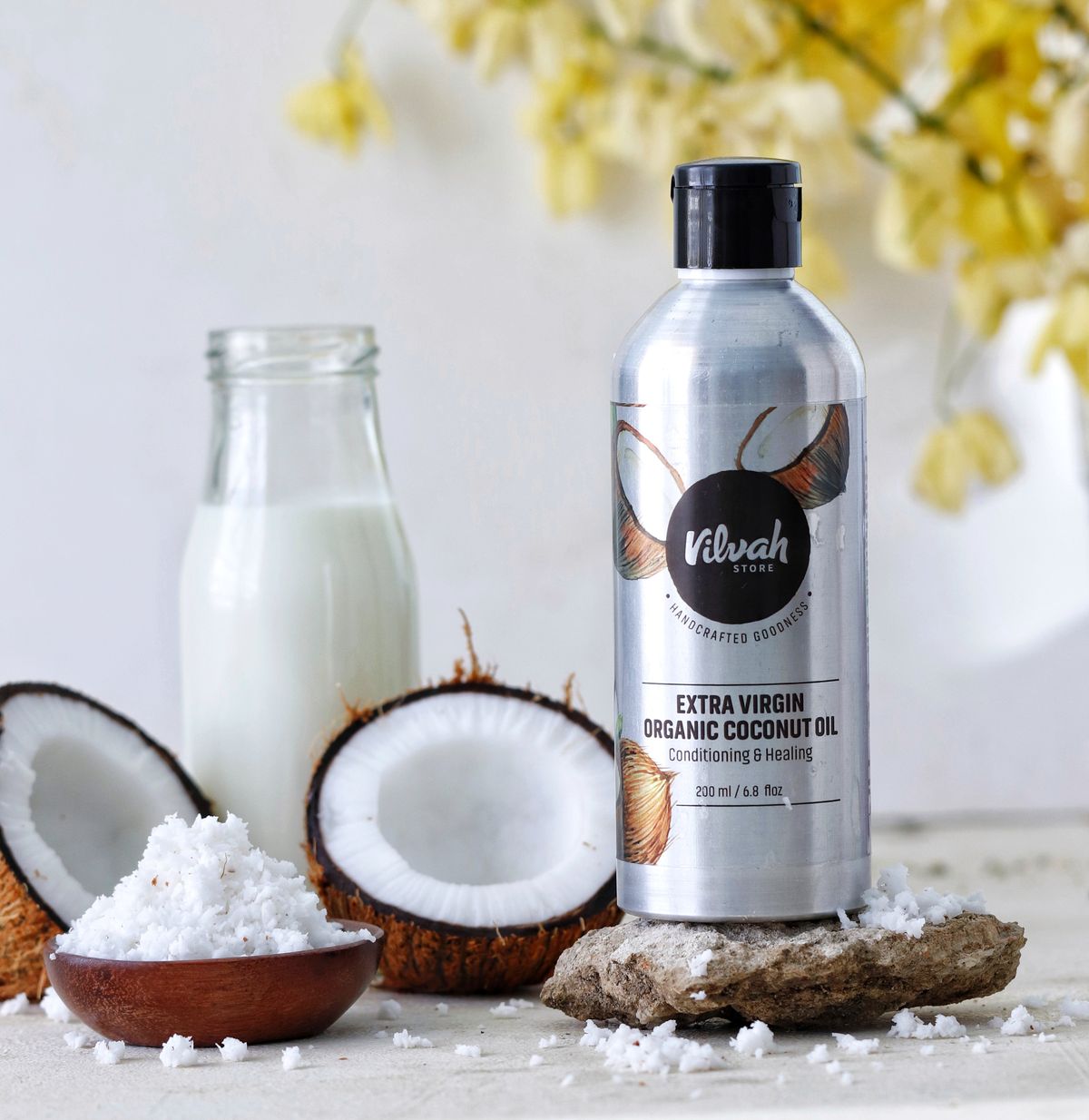
Why we picked it: This 100% pure, organic, cold-pressed extra-virgin coconut oil is the perfect base for homemade deodorant. Because it’s unrefined with nothing added, it keeps the natural lauric acid that fights odor-causing bacteria — the whole reason coconut oil works so well here. It’s gentle and moisturizing for delicate underarm skin, blends smoothly with baking soda and arrowroot, and firms up nicely into a spreadable deodorant. It’s food-grade and multi-use, so the same jar makes deodorant, moisturizes skin, conditions hair, and cooks dinner. One tub makes many batches.
- Type: Organic extra-virgin
- Process: Cold-pressed
- Additives: None
- Key benefit: Antibacterial lauric acid
- Best for: DIY deodorant base
- Grade: Food-grade
- ✅ Antibacterial lauric acid fights odor
- ✅ Pure & unrefined — no additives
- ✅ Gentle & moisturizing for underarms
- ✅ Blends smoothly into deodorant
- ✅ Multi-use — one jar does it all
Check the latest price & reviews on Amazon. Price and availability can change.
Best for: anyone making natural DIY deodorant who wants a pure, antibacterial coconut oil base.
🤝 Affiliate disclosure: As an Amazon Associate we earn from qualifying purchases. If you buy through our links, we may earn a small commission at no extra cost to you. We only recommend products we’d genuinely use.
Compare: coconut oils for deodorant
A pure virgin jar for your DIY base; any of these work well.
| Product | Best for | Type | Note | Buy |
|---|---|---|---|---|
| Nature’s Way Organic Virgin | DIY deodorant base | Extra-virgin | Pure, antibacterial lauric acid | Check on Amazon |
| Viva Naturals Organic | Bigger batches | Cold-pressed virgin | Unrefined, no additives | Check on Amazon |
| Fractionated Coconut Oil | Roll-on style blends | Liquid | Stays liquid (less firming) | Check on Amazon |
Honest Cautions
- It won’t stop sweat. It’s a deodorant, not an antiperspirant — expect normal underarm dampness.
- Baking soda can irritate. Use the sensitive-skin version if you get redness or a rash.
- Coconut oil melts in heat. Keep it cool and add extra arrowroot if too soft.
- It can stain clothes if you use too much — apply a small amount and let it absorb.
- Allergies: patch test if you have sensitive skin or a coconut allergy.
Common Mistakes (and Fixes)
- Expecting it to stop sweat.
✅ Fix: It fights odor, not wetness; add arrowroot for a drier feel. - Too much baking soda.
✅ Fix: Reduce it or use the baking-soda-free recipe to avoid rash. - Applying after shaving.
✅ Fix: Wait — freshly shaved skin stings; apply to intact skin. - Using too much product.
✅ Fix: A pea-size amount is plenty; let it absorb before dressing. - Quitting during the detox week.
✅ Fix: Push through 1–2 weeks; your pits rebalance.
Real-Life Examples
- Aluminum-free switch: someone moves off antiperspirant, rides out a 10-day adjustment, and stays fresh.
- Baking soda rash: a reader gets irritation, switches to the arrowroot/magnesium version, and it’s perfect.
- Summer melt: extra arrowroot keeps the DIY firm in hot weather.
- Scent lover: a few drops of lavender make homemade deodorant smell lovely.
Frequently Asked Questions
Does coconut oil work as a deodorant?
Yes. Its lauric acid is antibacterial, so it fights the bacteria that cause body odor and keeps you fresh. Mixed with baking soda (or a gentle alternative) and arrowroot, it makes an effective natural deodorant. Remember it controls odor, not sweat.
Is coconut oil deodorant an antiperspirant?
No. It’s a deodorant, meaning it stops odor but doesn’t block sweat like an aluminum antiperspirant. You’ll still sweat normally, which many people prefer. Add arrowroot powder to your recipe for a drier feel.
Why does my coconut oil deodorant irritate my skin?
Almost always the baking soda, which is alkaline and can irritate delicate underarm skin. Reduce the baking soda or switch to a baking-soda-free version using arrowroot and magnesium hydroxide. Never apply right after shaving.
How do I make coconut oil deodorant?
Mix 3 tablespoons coconut oil with 2 tablespoons baking soda and 2 tablespoons arrowroot powder (plus optional essential oils). Stir into a smooth paste, store in a jar, and apply a pea-size amount to clean, dry underarms.
How long does the switch to natural deodorant take?
Usually 1–2 weeks. When you stop using antiperspirant, your body adjusts to sweating freely again, so you may notice more sweat or odor at first (a “pit detox”). Stick with it and your underarms rebalance.
Will coconut oil deodorant stain my clothes?
It can if you use too much. Apply a small, pea-size amount, let it absorb for a minute before dressing, and add a bit more arrowroot to your recipe for a drier, less greasy feel.
Your Fresh-Pits Checklist
- Use pure, virgin coconut oil as the base
- Patch test any recipe for 24 hours
- Go baking-soda-free if your skin is sensitive
- Apply a pea-size amount to clean, dry underarms
- Don’t apply right after shaving
- Add arrowroot for a drier feel; keep it cool
- Push through the 1–2 week switch period
The Bottom Line
Coconut oil deodorant is a simple, natural, aluminum-free way to stay fresh — and it genuinely works, thanks to lauric acid’s power to fight the bacteria behind body odor. Mix it with baking soda (or a gentler alternative for sensitive skin) and arrowroot for an easy DIY that keeps you smelling great. Just remember it’s a deodorant, not an antiperspirant, so you’ll still sweat normally, and give yourself a week or two to adjust. Start with a jar of pure organic virgin coconut oil and mix up your first batch tonight.
👉 50+ ways to use coconut oil · Coconut oil for skin · Coconut oil benefits · Coconut oil soap making