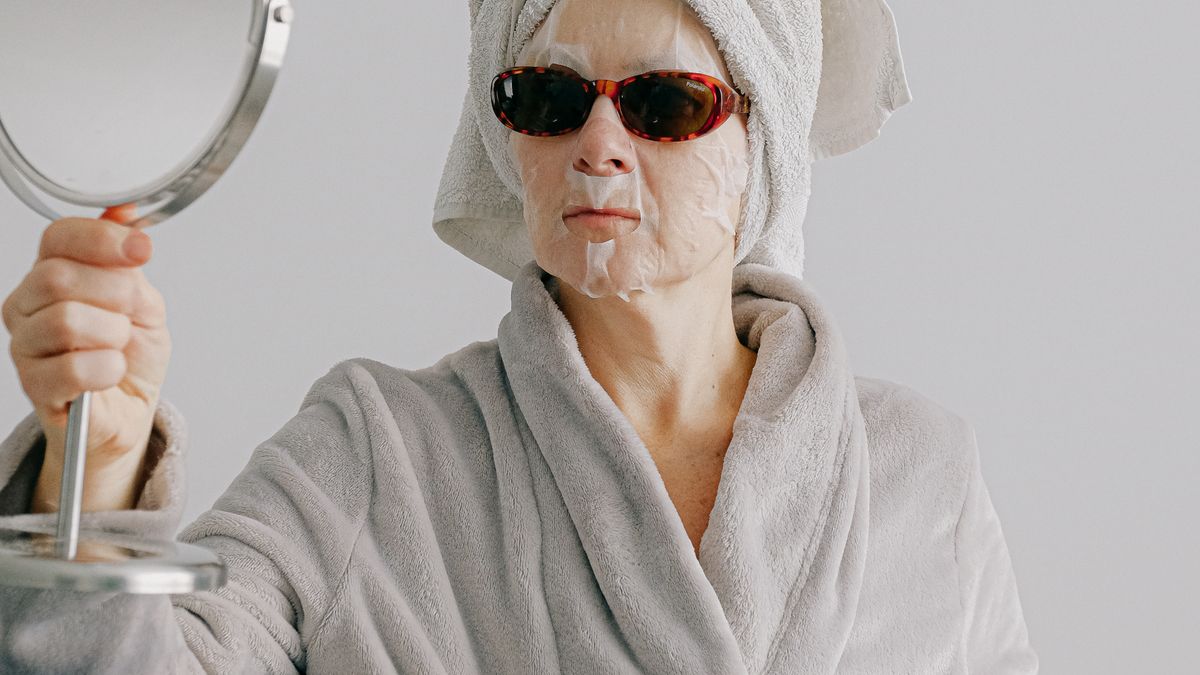
Noticing fine lines around your eyes or a little less bounce in your skin? You’re not alone — and you don’t need a shelf full of expensive creams to fight back. Many people reach for coconut oil for wrinkles because it’s natural, gentle, and deeply moisturizing. In this warm, honest guide, you’ll learn exactly what coconut oil can (and can’t) do for aging skin, how to use it the right way, who should skip it, and how to build a simple routine that keeps your skin soft and glowing.
Coconut oil won’t erase deep wrinkles — no oil can. But it’s a fantastic moisturizer that plumps skin, softens fine lines, and fights the dryness that makes wrinkles look worse. Its antioxidants and healthy fats also help protect and nourish. Think of it as prevention and softening, not a miracle eraser. Best for dry or normal skin; those with acne-prone skin should be careful.
Below you’ll find how coconut oil helps aging skin, a simple nightly routine, the mistakes to avoid, honest cautions, and the best coconut oil to choose. Let’s help your skin look its healthiest.
💡 Image suggestion: a close-up of glowing, mature skin with a small jar of coconut oil nearby. Alt text: “Coconut oil for wrinkles and healthy, glowing mature skin.”
Does Coconut Oil Really Help With Wrinkles?
Let’s be honest right away: coconut oil is not a magic wrinkle eraser. If someone promises it will make deep lines vanish, they’re overselling. But that doesn’t mean it’s useless — far from it. Coconut oil is a genuinely excellent moisturizer, and moisture is one of the biggest secrets to younger-looking skin.
Here’s why that matters. When skin is dry, fine lines and creases look deeper and more obvious. When skin is well-hydrated and plump, those same lines soften and blur. So while coconut oil won’t change the structure of your skin, it can make it look smoother, softer, and more radiant almost right away. Over time, keeping skin nourished and protected also supports its overall health.
Coconut oil doesn’t erase wrinkles — it softens them. By deeply moisturizing and protecting your skin, it helps fine lines look less noticeable and keeps your face feeling supple and healthy.
It’s best thought of as a two-part helper: softening the lines you already have (through moisture) and supporting prevention (through antioxidants and a protective barrier that fights daily dryness and damage). For a broader look at skin uses, see our coconut oil for skin guide.
Why Coconut Oil Works on Aging Skin
Coconut oil brings a few real benefits to the table when it comes to aging skin. Let’s break down the “why” in plain English.
- 🌿 Deep moisture. Coconut oil is rich in fatty acids that seal moisture into the skin. Hydrated skin looks plumper and smoother, which softens the look of fine lines.
- 🛡️ A protective barrier. It forms a light barrier on the skin that helps prevent moisture loss and shields against everyday drying. A strong barrier is key to skin that ages well.
- ✨ Antioxidants. Virgin coconut oil contains natural vitamin E and other antioxidants that help fight free radicals — the unstable molecules that speed up visible aging.
- 🧴 Softening and smoothing. Regular use leaves skin feeling silky and supple, improving texture over time.
- 💚 Soothing. Its gentle, calming nature suits dry, tight, or flaky mature skin.
Put simply, coconut oil tackles one of the biggest visible signs of aging — dryness — while adding a dose of nourishing, protective goodness. It’s not a replacement for sunscreen or a full skincare routine, but as a natural nighttime moisturizer, it earns its place.
No wrinkle article is honest without this: the single biggest cause of visible aging is sun damage. Coconut oil is not a sunscreen (its natural SPF is tiny and unreliable). For real prevention, wear a broad-spectrum SPF 30+ every day. Use coconut oil at night; use sunscreen by day.
How to Use Coconut Oil for Wrinkles (Step by Step)
Using coconut oil on your face is simple, but a little technique makes a big difference. Here’s the gentle, effective way:
- Cleanse first. Wash your face with a gentle cleanser so the oil sinks into clean skin, not dirt or makeup.
- Use a tiny amount. Scoop a pea-sized amount of coconut oil. It melts at body temperature, so warm it between your fingertips until it turns to liquid.
- Pat and press, don’t drag. Gently press and smooth it over areas prone to fine lines — around the eyes (carefully), mouth, forehead, and neck. Avoid tugging the delicate skin.
- Massage gently. Use light, upward circular motions for a minute. This feels lovely and helps the oil absorb.
- Let it soak in. Give it a few minutes. Blot any excess with a tissue so you’re not sleeping in a greasy layer.
- Use it at night. Nighttime is ideal, so it works while you sleep and won’t sit under daytime sunscreen or makeup.
Before putting any new oil on your face, do a patch test. Dab a little on your inner arm or jaw and wait 24 hours. If there’s no redness or breakout, you’re good to go. This simple step saves a lot of trouble, especially for sensitive skin.
A Simple, Warm Anti-Aging Routine
You don’t need ten products. Here’s an easy routine that pairs coconut oil with the basics that actually matter:
- 🌅 Morning: Gentle cleanse → light moisturizer → broad-spectrum sunscreen (SPF 30+). This is your prevention step — never skip the sunscreen.
- 🌙 Night: Cleanse → (optional treatment like a retinol, if you use one) → a thin layer of coconut oil as your nourishing night moisturizer, focusing on dry areas and fine lines.
- 💧 Daily habits: Drink water, eat colorful fruits and veggies, sleep well, and don’t smoke. These do more for your skin than any single product.
If you use a prescription retinoid or strong actives, apply those first and let them absorb, then seal with coconut oil only if your skin tolerates it. Simple, consistent care beats a cabinet full of half-used jars.
Which Type of Coconut Oil Should You Use?
For your face, quality matters. Here’s the quick rule: choose organic, virgin (unrefined), cold-pressed coconut oil. It keeps the most antioxidants and skin-loving nutrients, with no chemicals or bleaching.
If you have oily or acne-prone skin, regular coconut oil may feel too heavy or clog pores (it’s fairly comedogenic). In that case, consider fractionated coconut oil — a lightweight, liquid form that’s less likely to clog and absorbs faster. It has less of the antioxidant content but is far gentler on breakout-prone skin. Learn more in our fractionated coconut oil guide.
| Type | Best for | Feel | Note |
|---|---|---|---|
| Virgin (unrefined) | Dry, normal, mature skin | Rich, nourishing | Most antioxidants |
| Fractionated | Oily/acne-prone, sensitive | Light, fast-absorbing | Won’t clog easily |
| Refined | Body, not ideal for face | Neutral | Fewer nutrients |
Coconut Oil vs Other Anti-Aging Options
How does coconut oil stack up against popular anti-aging choices? Here’s an honest comparison so you know where it fits.
| Option | What it does | Strength | Best role |
|---|---|---|---|
| Coconut oil | Deep moisture + antioxidants | Softens lines, natural, cheap | Night moisturizer |
| Retinol/retinoid | Boosts cell turnover, collagen | Proven wrinkle reducer | Active treatment |
| Vitamin C serum | Antioxidant, brightening | Fights sun damage | Morning defense |
| Sunscreen | Blocks UV damage | #1 prevention | Every single day |
| Hyaluronic acid | Pulls in water | Plumping hydration | Layer under oil |
The takeaway? Coconut oil is a wonderful, affordable moisturizing step — but it works best alongside sunscreen (for prevention) and, if you want stronger results, a proven active like retinol. They’re teammates, not rivals.
Best Coconut Oil for Your Skin
Here’s our top pick for a pure, nourishing coconut oil that works beautifully as a natural night moisturizer.
Nature’s Way Organic Extra Virgin Coconut Oil
TOP PICK
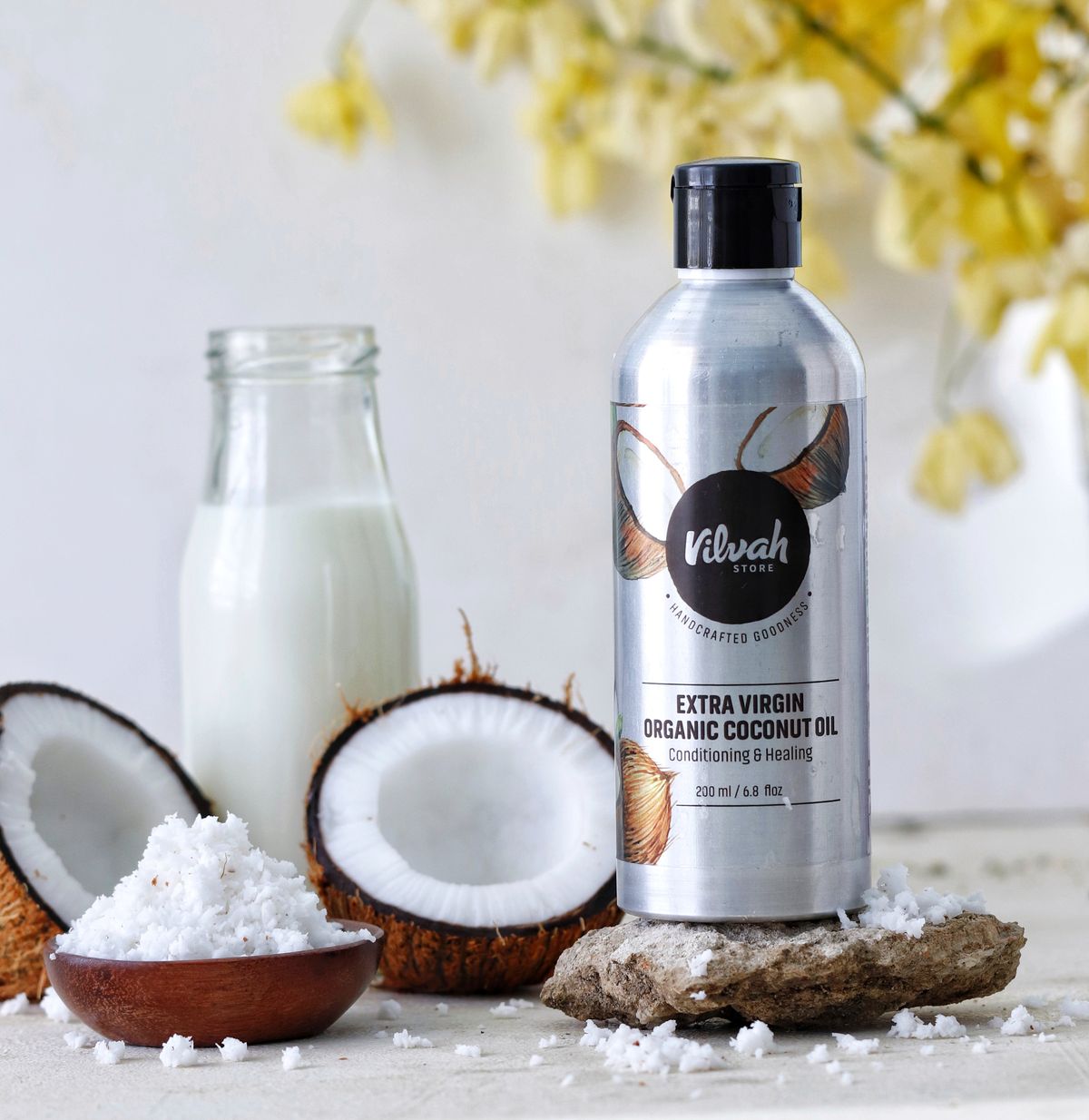
Why we picked it: This 100% pure, organic, cold-pressed extra-virgin coconut oil keeps all the natural antioxidants and vitamin E that make it so nourishing for mature skin. It’s unrefined and free of chemicals or fillers, so it’s gentle enough for your face. It melts on contact, sinks in as a rich night moisturizer, and leaves skin feeling soft and supple by morning. One affordable jar also doubles for hair, body, and cooking — great value.
- Type: Organic extra-virgin
- Process: Cold-pressed
- Keeps: Vitamin E, antioxidants
- Feel: Rich, nourishing
- Best for: Dry/mature skin
- Additives: None
- ✅ Deeply moisturizes to soften fine lines
- ✅ Antioxidant-rich — fights daily damage
- ✅ Pure & unrefined — nothing added
- ✅ Melts in fast as a night moisturizer
- ✅ Multi-use — face, hair, body
Check the latest price & reviews on Amazon. Price and availability can change.
Best for: dry or normal skin wanting a natural, nourishing night moisturizer.
🤝 Affiliate disclosure: As an Amazon Associate we earn from qualifying purchases. If you buy through our links, we may earn a small commission at no extra cost to you. We only recommend products we’d genuinely use.
Compare: our top skin picks
Rich virgin oil for dry/mature skin, or a lightweight fractionated option if you break out.
| Product | Best for | Type | Why | Buy |
|---|---|---|---|---|
| Nature’s Way Organic Virgin | Dry/mature skin | Extra-virgin | Antioxidant-rich, nourishing | Check on Amazon |
| Handcraft Fractionated | Oily/acne-prone | Fractionated (liquid) | Light, won’t clog pores | Check on Amazon |
| Viva Naturals Organic | Everyday value | Cold-pressed virgin | Pure, multi-use jar | Check on Amazon |
Who Should Avoid Coconut Oil on the Face
Coconut oil is lovely for many people, but it’s not for everyone. Be cautious if you have:
- Acne-prone or very oily skin. Coconut oil is comedogenic (pore-clogging) for some people and can trigger breakouts. Try fractionated coconut oil instead, or skip the face.
- A coconut allergy. Obvious, but worth stating — avoid it entirely.
- Very sensitive or reactive skin. Always patch test first.
If coconut oil causes bumps, redness, or breakouts, stop using it on your face. It’s a sign your skin doesn’t love it — and that’s okay. There are plenty of other gentle moisturizers.
Coconut oil softens and hydrates — it does not rebuild collagen or remove deep, set-in wrinkles. For significant wrinkle reduction, proven options like retinoids, professional treatments, and daily sunscreen do the heavy lifting. If you have skin concerns, a dermatologist can guide you. This article is general information, not medical advice.
Common Mistakes (and Easy Fixes)
- Using too much.
✅ Fix: A pea-sized amount is plenty; more just feels greasy. - Skipping sunscreen.
✅ Fix: Coconut oil is not SPF — always wear sunscreen by day. - Using it on acne-prone skin.
✅ Fix: Switch to fractionated oil or a non-comedogenic moisturizer. - Tugging delicate eye skin.
✅ Fix: Pat gently; never drag or pull. - Expecting overnight miracles.
✅ Fix: Think softening and prevention over weeks, not erasing.
Real-Life Examples
- The nightly glow: someone swaps their heavy night cream for a thin layer of virgin coconut oil and wakes to softer, plumper skin.
- Dry winter rescue: a reader uses it on tight, flaky cheeks and finds fine lines look far less obvious once hydrated.
- The breakout lesson: an oily-skinned user gets clogged pores, switches to fractionated oil, and problem solved.
- The smart combo: a fan pairs daytime sunscreen and a nightly retinol with coconut oil as the final soothing seal.
Frequently Asked Questions
Can coconut oil get rid of wrinkles?
No oil can truly get rid of wrinkles. Coconut oil softens their appearance by deeply moisturizing and plumping the skin, which makes fine lines look less noticeable. For prevention and real reduction, pair it with daily sunscreen and, if you like, a proven active like retinol.
How often should I use coconut oil on my face?
Nightly is ideal for dry or normal skin — a thin layer after cleansing. If your skin is oily or acne-prone, use it sparingly or switch to fractionated coconut oil. Always patch test a new product first.
Is coconut oil good for under-eye wrinkles?
It can be, since it hydrates the delicate under-eye area and softens the look of fine lines. Use only a tiny amount and pat gently — never rub or drag. If you’re prone to milia (tiny white bumps) around the eyes, use it lightly or choose a lighter oil.
Does coconut oil boost collagen?
Not directly. It doesn’t rebuild collagen the way retinoids or professional treatments can. Its benefits come from moisture, antioxidants, and a protective barrier — which support healthy-looking skin but don’t change its deeper structure.
Can I use coconut oil with retinol?
Often yes — apply your retinol first, let it absorb, then seal with a thin layer of coconut oil if your skin tolerates it. This can ease the dryness retinol sometimes causes. If you get breakouts, use a lighter moisturizer instead.
Virgin or refined coconut oil for wrinkles?
Virgin (unrefined) is best for the face because it keeps the most antioxidants and vitamin E. Refined coconut oil loses many nutrients during processing, so save it for body or cooking.
Your Anti-Aging Glow Checklist
- Choose organic, virgin, cold-pressed coconut oil
- Patch test before using it on your face
- Apply a pea-sized amount at night, on clean skin
- Pat gently around eyes and lines — never tug
- Wear broad-spectrum SPF 30+ every single day
- Switch to fractionated oil if you’re acne-prone
- Support skin with water, sleep, and good food
The Bottom Line
Coconut oil is a warm, natural way to keep aging skin soft, hydrated, and glowing. It won’t erase deep wrinkles — nothing natural does — but it softens fine lines, fights dryness, and delivers nourishing antioxidants, all for a fraction of the cost of fancy creams. Use it as a nightly moisturizer, protect your skin with daily sunscreen, and stay consistent. If you’d like to try it, a jar of pure organic virgin coconut oil is a lovely, affordable place to start.
👉 Coconut oil for skin · Fractionated coconut oil · Coconut oil benefits · 50+ ways to use it