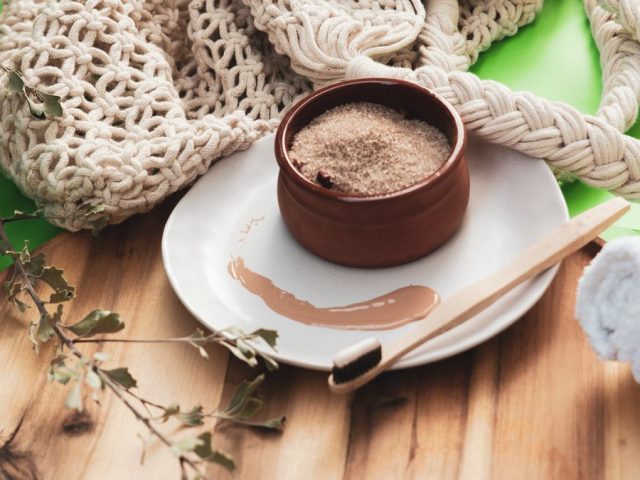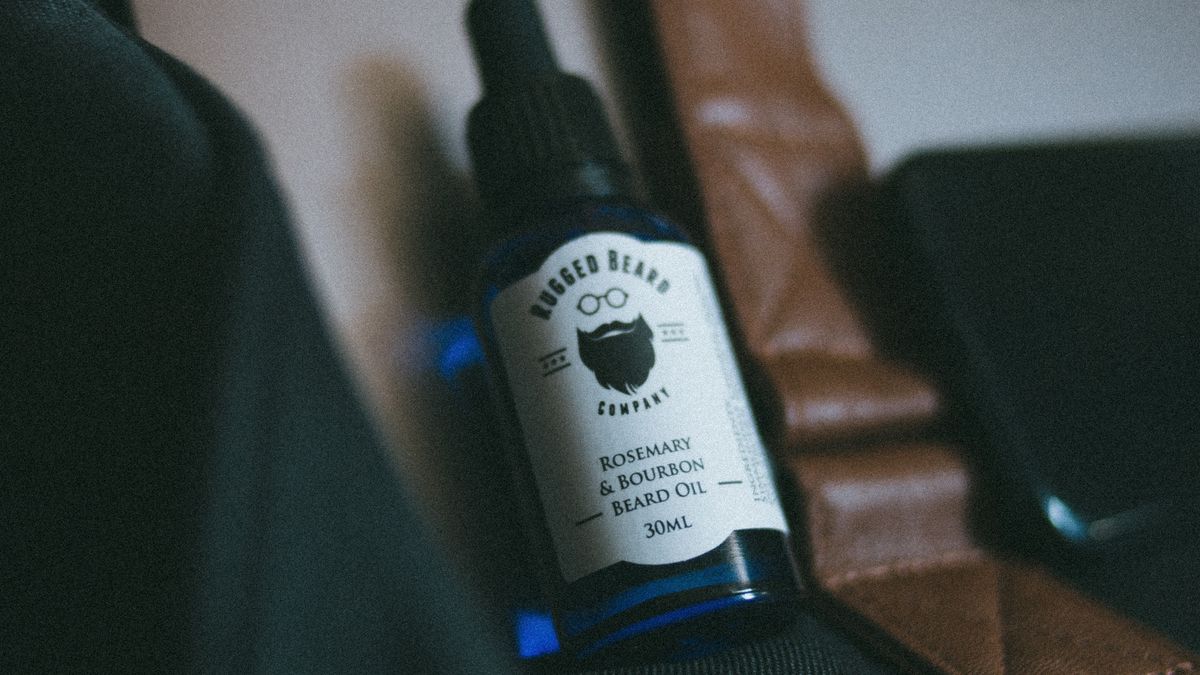
Itchy, unruly beard with flyaways and “beardruff”? A good coconut oil beard balm fixes all three at once. This DIY balm conditions the hair, soothes the skin underneath, tames stray hairs, and adds a light, natural hold — so your beard looks fuller, feels softer, and stops driving you crazy. It’s an easy make and slips right into your grooming kit.
A conditioning, lightly-holding beard balm from coconut oil + shea butter + beeswax + a carrier oil. Coconut oil softens and moisturizes the beard and the skin beneath it, shea butter conditions, beeswax gives shape and hold, and the carrier oil keeps it smooth. Say goodbye to itch, dryness, and flyaways.
Why a Beard Needs Balm
Beard hair is coarse, and the skin under a beard often gets dry, flaky, and itchy — especially as the beard grows in. That dryness causes “beardruff” (beard dandruff), itch, and a rough, unruly look. Regular hair products don’t cut it because they don’t nourish the skin underneath.
A beard balm does two jobs: it conditions the hair and moisturizes the skin. Coconut oil is ideal because it actually penetrates the hair shaft to soften and strengthen, while deeply moisturizing the skin to stop itch and flakes. Shea butter adds conditioning richness, and beeswax gives a light, natural hold that tames flyaways and shapes your beard without stiffness. The result: a softer, healthier, better-behaved beard. See our coconut oil for beard guide for more.
The secret to a great beard isn’t just the hair — it’s the skin underneath. Balm conditions both, so you get less itch, no flakes, and a softer, fuller-looking beard.
Ingredients
- 2 tbsp coconut oil — softens hair & skin
- 1 tbsp shea butter — conditioning richness
- 1 tbsp beeswax pellets — light hold & shape
- 1 tbsp carrier oil (jojoba or argan) — smoothness & shine
- Optional: 10 drops essential oil (cedarwood, sandalwood, or pine) — a manly scent
Equipment
- A small heatproof bowl + saucepan (double boiler)
- A spoon for stirring
- A 2 oz tin with a lid
How to Make Coconut Oil Beard Balm
- Set up a double boiler. Add a little water to a saucepan and rest a heatproof bowl on top over low heat.
- Melt the beeswax. Add the beeswax pellets and stir until fully melted.
- Add the shea and oils. Stir in the shea butter, coconut oil, and carrier oil until melted and smooth.
- Add scent. Stir in your essential oil drops, if using, once the mix is off the heat a moment.
- Test and adjust. Dip a spoon and let it cool — more beeswax for firmer hold, more coconut oil for a softer, more conditioning balm.
- Pour into a tin and let it set at room temperature about 30 minutes.
- To use: scrape a fingernail-sized amount, rub it between your palms to melt, then work it through your beard from the skin out. Comb to finish.
- Apply to a clean, slightly damp beard after showering — it spreads better and locks in moisture.
- Work it into the skin, not just the hair — that’s what stops the itch and flakes.
- Adjust the hold: more beeswax = firmer shape (great for longer beards); less = softer and more conditioning (great for shorter beards).
Balm vs Oil: Which Do You Need?
| Product | Best for | What it does |
|---|---|---|
| Beard balm | Medium–long beards | Conditions + light hold + shape |
| Beard oil | Short–stubble beards | Conditions + softens (no hold) |
| Beard butter | Very dry beards | Extra moisture, minimal hold |
Storage & Safety
- Store in a sealed tin at room temperature; it keeps 6–12 months since there’s no water.
- Keep it out of heat — it softens above ~76°F (24°C).
- Patch test essential oils on your skin first, especially if you have sensitive skin.
- If your beard or skin is acne-prone, go easy — coconut oil can clog pores for some; use less or try a lighter carrier oil.
If the skin under your beard is very red, painful, or has a spreading rash, that could be an infection or a skin condition — see a doctor rather than relying on balm. And patch test any new essential oil, since some (like undiluted tea tree) can irritate skin.
The Best Coconut Oil to Use
Use a pure, organic coconut oil for a nourishing, non-greasy balm. Here’s our pick.
Nature’s Way Organic Extra Virgin Coconut Oil
TOP PICK
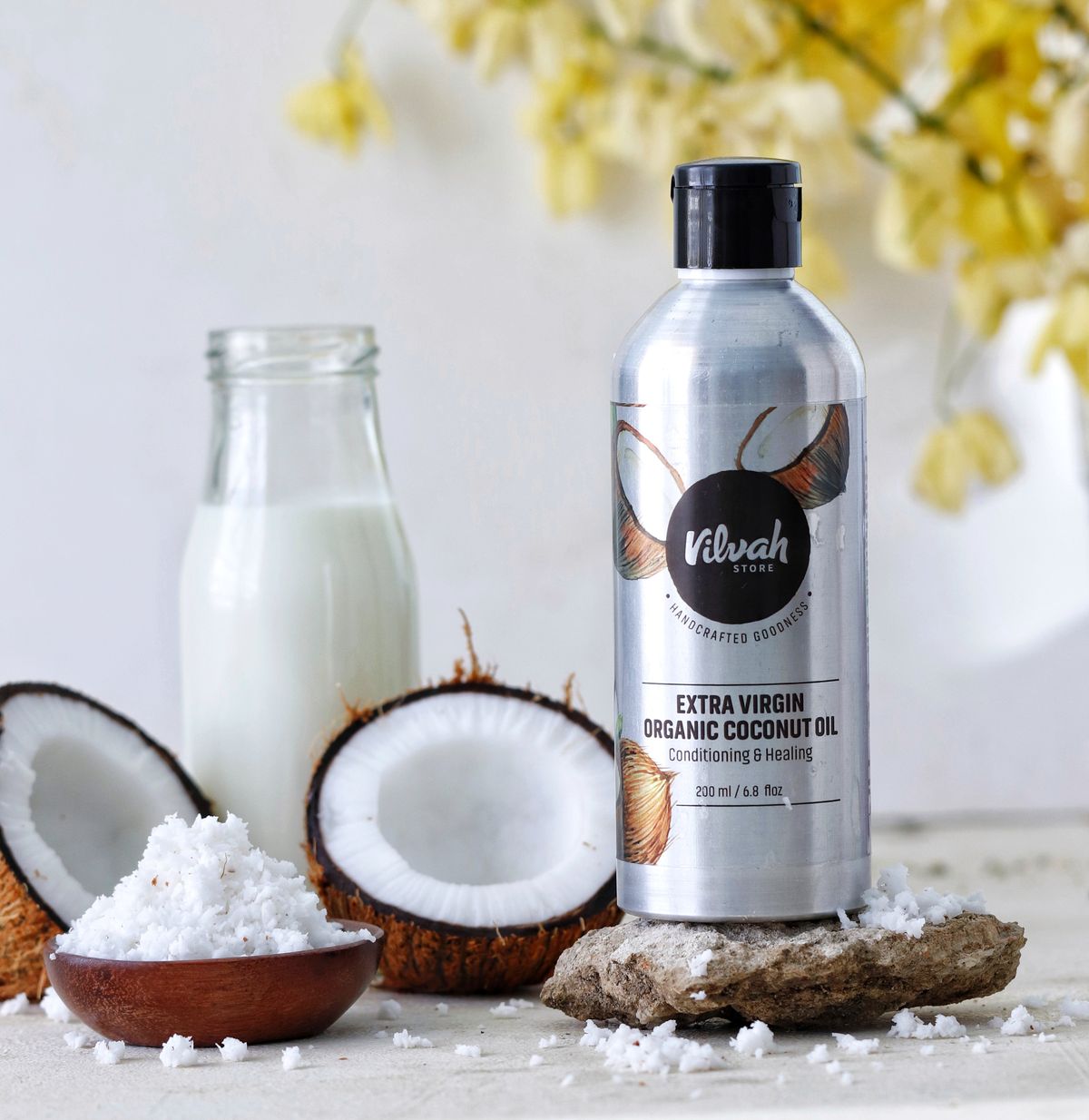
Why we picked it: This 100% pure, organic, cold-pressed extra-virgin coconut oil is unrefined with nothing added — great for a balm that touches skin and hair. Because coconut oil actually penetrates the hair shaft, it softens and strengthens coarse beard hair while deeply moisturizing the skin to stop itch and flakes. It melts smoothly with shea and beeswax into a conditioning balm, and one jar makes many tins (plus body butter and more).
- Type: Organic extra-virgin
- Process: Cold-pressed
- Grade: Food-grade
- Penetrates: Yes, into hair
- Best for: Beard balm & oil
- Additives: None
Check the latest price & reviews on Amazon. Price and availability can change.
🤝 Affiliate disclosure: As an Amazon Associate we earn from qualifying purchases. If you buy through our links, we may earn a small commission at no extra cost to you.
Prefer a lightweight beard oil for stubble or shorter beards? A liquid fractionated coconut oil makes a great non-greasy base you can drop essential oils into.
Frequently Asked Questions
Is coconut oil good for beards?
Yes. Coconut oil penetrates the hair shaft to soften and strengthen coarse beard hair, and deeply moisturizes the skin underneath to stop itch and beardruff. In a balm with shea and beeswax, it also adds a light hold to tame flyaways and shape your beard.
How often should I use beard balm?
Once a day is typical — ideally after showering, on a clean, slightly damp beard. If your beard or skin is very dry, you can apply a little more; if it feels greasy, use less. Work it into the skin, not just the hair.
What’s the difference between beard balm and beard oil?
Beard oil is a lightweight liquid that conditions and softens with no hold — great for short beards and stubble. Beard balm is thicker (thanks to shea and beeswax) and adds light hold and shape, making it better for medium to longer beards.
Will coconut oil make my beard grow faster?
It won’t speed growth directly, but by keeping the hair and skin healthy and reducing breakage and itch, it helps your beard look fuller and healthier as it grows. A healthy beard simply looks and behaves better.
Can beard balm cause breakouts?
It can for acne-prone skin, since coconut oil is comedogenic for some people. If you notice breakouts under your beard, use less, apply mostly to the hair, or switch to a lighter carrier oil like jojoba or fractionated coconut oil.
Your Quick Checklist
- Melt beeswax first, then add shea and oils
- Adjust hold: more beeswax = firmer
- Apply to a clean, damp beard after showering
- Work it into the skin, not just the hair
- Comb through to finish and shape
- Patch test essential oils first
That’s a softer, itch-free, better-behaved beard from a balm you made yourself. Keep a tin in your grooming kit and apply after every shower. Ready to make it? Grab a jar of pure organic virgin coconut oil and get melting.