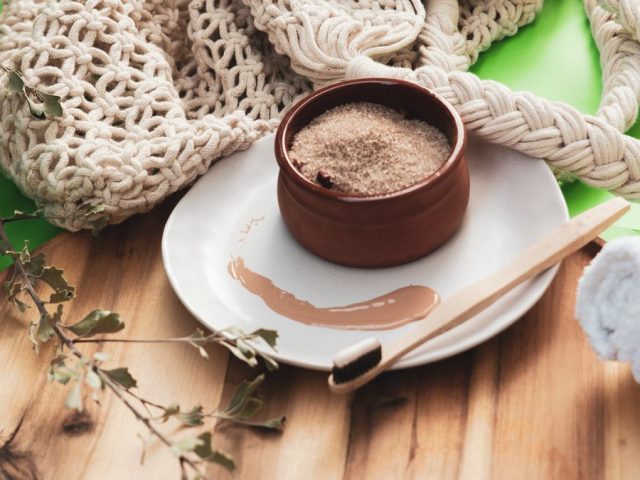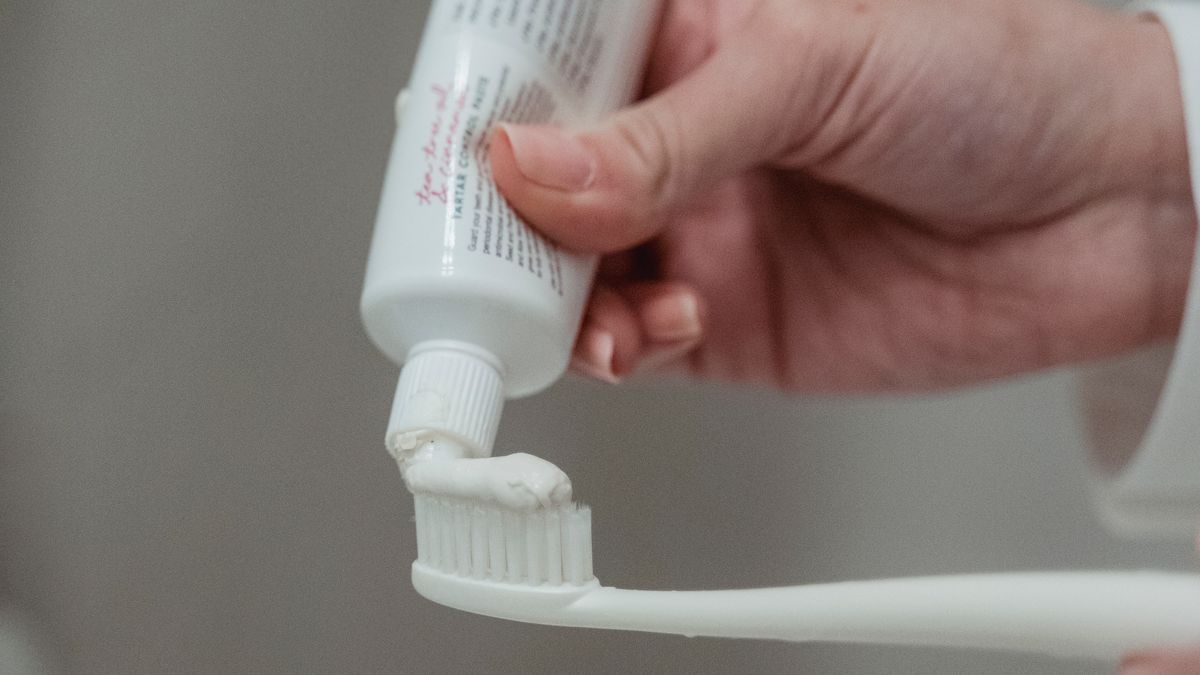
Curious about ditching the tube for a natural alternative? Coconut oil toothpaste is a popular DIY that’s simple to make, free of artificial foaming agents and sweeteners, and leaves your mouth feeling clean and fresh. This easy recipe combines coconut oil’s natural antibacterial qualities with gentle baking soda. We’ll walk you through it step by step — and give you the honest facts, including the one thing most DIY recipes leave out: fluoride.
A smooth, natural coconut oil toothpaste from just coconut oil + baking soda, with optional peppermint oil for freshness. Coconut oil is naturally antibacterial, and baking soda gently cleans and freshens. It takes 5 minutes and one small jar. Honest note: this recipe has no fluoride, so read the dentist section below before replacing your regular toothpaste.
This is a fun DIY, but it’s general information, not dental advice. Homemade coconut oil toothpaste does not contain fluoride, which dentists rely on to prevent cavities. Talk to your dentist before replacing your regular fluoride toothpaste, especially if you’re cavity-prone. Many people use this as an occasional or supplemental clean rather than a full replacement.
Why People Love Coconut Oil Toothpaste
There’s real appeal here. Coconut oil is naturally antibacterial (thanks to its lauric acid), and it’s the same oil used in “oil pulling,” a traditional practice for oral hygiene. Baking soda is a mild abrasive that gently scrubs away plaque and surface stains and helps neutralize the acids that cause bad breath. Together they make a paste that leaves your mouth feeling genuinely clean and fresh.
People also like that it’s free of the stuff they’d rather avoid — artificial sweeteners, dyes, harsh foaming agents like SLS, and preservatives. You control every ingredient. It’s inexpensive, easy, and low-waste (one refillable jar instead of endless tubes). Just remember the honest trade-off: no fluoride. For more, see our coconut oil pulling guide.
Coconut oil freshens and fights bacteria, baking soda gently cleans and whitens — together they make a simple, natural paste. Just know it skips the fluoride, so loop in your dentist.
Ingredients
- 6 tbsp coconut oil (softened) — antibacterial base
- 6 tbsp baking soda — gentle cleaning & freshening
- Optional: 15–20 drops food-grade peppermint oil — fresh minty flavor
- Optional: a pinch of xylitol — natural sweetness (tooth-friendly)
Equipment
- A small bowl and a spoon or fork
- A small glass jar with a lid
How to Make Coconut Oil Toothpaste
- Soften the coconut oil. You want it soft and scoopable (not fully liquid) so it mixes into a smooth paste. Warm it briefly if it’s hard.
- Combine with baking soda. In a bowl, mix the coconut oil and baking soda in equal parts until you get a smooth, even paste.
- Add flavor. Stir in the peppermint oil (and a pinch of xylitol if using) and mix well. Taste-test a tiny bit and adjust the mint to your liking.
- Check the texture. Too runny? Add a little more baking soda. Too thick or gritty? Add a touch more coconut oil. Aim for a smooth, spreadable paste.
- Spoon into a jar. Transfer to a small, clean glass jar with a lid. Done!
- To use: dip a clean, dry spoon (or a clean fingertip) to scoop a pea-sized amount onto your toothbrush — don’t dip your wet brush directly into the jar, to keep it hygienic. Brush gently for two minutes, then rinse.
- Go easy on the baking soda and brush gently — it’s mildly abrasive, so overuse or hard scrubbing can wear enamel over time. A few times a week is gentler than every single brush.
- Keep it hygienic: use a clean spoon to scoop, never a wet brush, so no bacteria or water gets into the jar.
- In cold rooms it firms up; in warm rooms it softens (coconut oil melts around 76°F/24°C). Just stir if it separates.
Coconut Oil Toothpaste vs Store-Bought
| Feature | Homemade coconut oil | Store-bought (fluoride) |
|---|---|---|
| Fluoride (cavity protection) | ❌ None | ✅ Yes |
| Natural & additive-free | ✅ Yes | ⚠️ Varies |
| Antibacterial | ✅ Coconut oil | ✅ Yes |
| Freshness | ✅ With mint | ✅ Yes |
| Cost & waste | ✅ Cheap, low-waste | ⚠️ More packaging |
| Dentist-recommended | ⚠️ As supplement | ✅ Yes |
Storage & Safety
- Store in a sealed glass jar at room temperature. It keeps well since there’s no water to spoil (about 2–3 months).
- Scoop with a clean, dry spoon — never a wet brush — to keep bacteria out.
- Go gentle: because baking soda is abrasive, don’t overuse it, and brush softly to protect enamel.
- Not for very young kids without a dentist’s okay, and skip peppermint oil for little ones.
- Plumbing note: coconut oil can solidify in pipes, so spit into the trash occasionally rather than always down a cold drain.
The Best Coconut Oil to Use
Since it goes in your mouth, use a pure, organic, food-grade coconut oil. Here’s our pick.
Nature’s Way Organic Extra Virgin Coconut Oil
TOP PICK
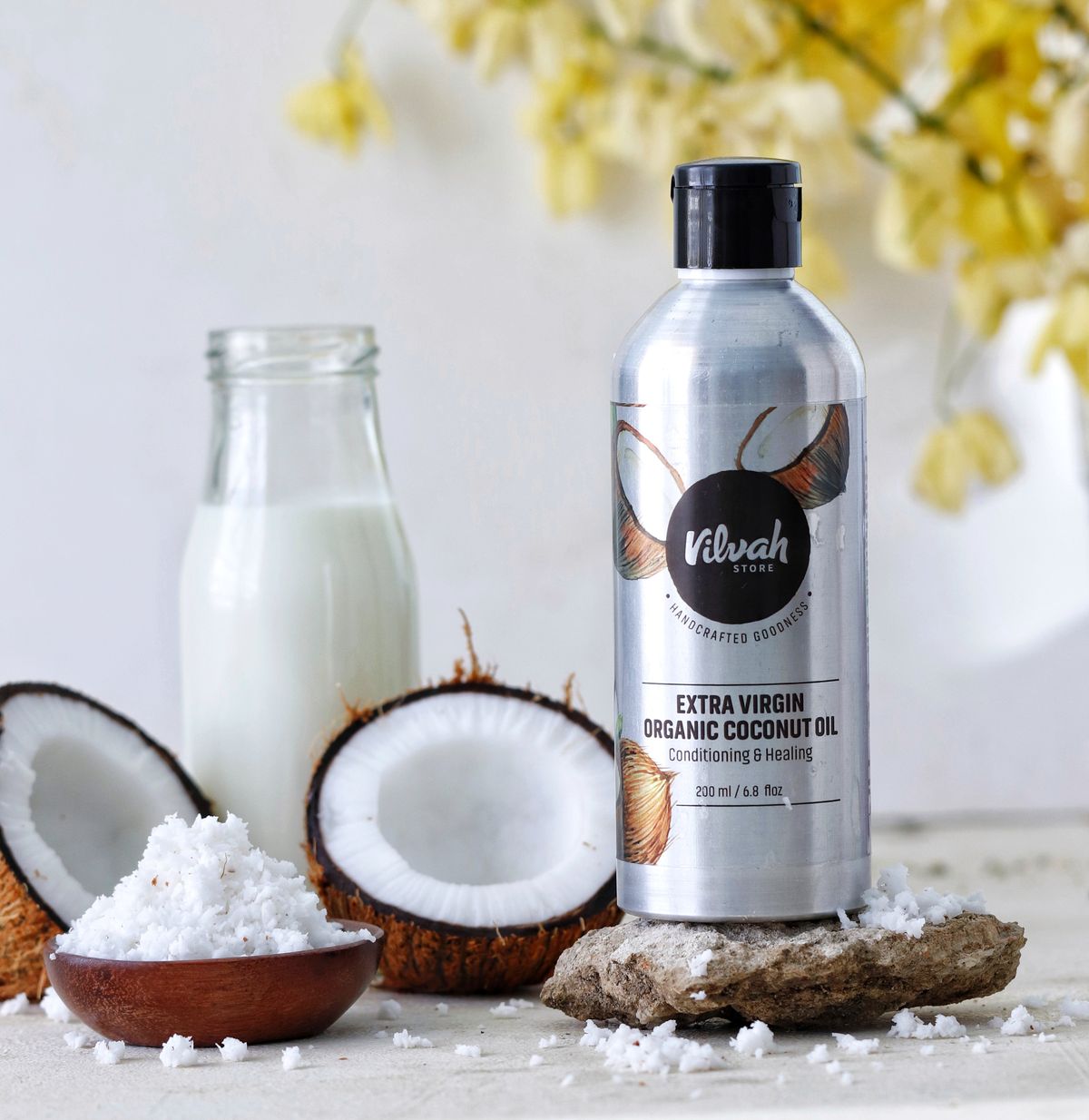
Why we picked it: This 100% pure, organic, cold-pressed extra-virgin coconut oil is food-grade and unrefined with nothing added — exactly what you want for anything that goes in your mouth. It has natural antibacterial fatty acids, blends smoothly with baking soda into a clean paste, and carries a light, pleasant taste. One jar makes plenty of toothpaste (and works for oil pulling, cooking, and skincare too), so it’s excellent value.
- Type: Organic extra-virgin
- Process: Cold-pressed
- Grade: Food-grade
- Taste: Light, mild
- Best for: Toothpaste & pulling
- Additives: None
Check the latest price & reviews on Amazon. Price and availability can change.
🤝 Affiliate disclosure: As an Amazon Associate we earn from qualifying purchases. If you buy through our links, we may earn a small commission at no extra cost to you.
Frequently Asked Questions
Is coconut oil toothpaste good for your teeth?
It can help freshen breath and gently clean, since coconut oil is antibacterial and baking soda removes plaque and surface stains. But it has no fluoride, which is the main ingredient dentists rely on to prevent cavities. Many people use it as a supplement to — not a full replacement for — fluoride toothpaste. Ask your dentist.
Does coconut oil toothpaste whiten teeth?
The baking soda can help remove surface stains, so teeth may look a bit brighter over time. It won’t dramatically whiten like professional treatments, and it doesn’t change the natural color of your teeth. Brush gently, since over-scrubbing with baking soda can wear enamel.
Can I use coconut oil toothpaste every day?
You can, but because baking soda is mildly abrasive, many people use it a few times a week and a fluoride toothpaste the rest of the time. Brush gently to protect your enamel, and check with your dentist about what’s best for you, especially if you get cavities easily.
Why doesn’t my toothpaste foam?
That’s normal! Store-bought toothpaste foams because of added agents like SLS. This natural version doesn’t foam, but it still cleans. The lack of foam is actually one reason some people prefer it.
Is baking soda safe for teeth?
In moderation, yes — it’s a common, gentle cleaning agent and is even in some commercial toothpastes. The key is not to overdo it or scrub hard, since too much abrasion over time can wear enamel. Keep it gentle and occasional for the best balance.
Your Quick Checklist
- Use equal parts coconut oil and baking soda
- Add peppermint oil for freshness
- Mix to a smooth paste; adjust texture
- Scoop with a clean, dry spoon — never a wet brush
- Brush gently; use a few times a week
- Talk to your dentist — this has no fluoride
There you have it — a simple, natural toothpaste you can whip up in five minutes. It freshens, gently cleans, and skips the additives, for pennies per batch. Just be smart about the fluoride trade-off and keep your dentist in the loop. Want to try it (or start with oil pulling)? Grab a jar of pure organic virgin coconut oil and give it a go.
👉 Coconut oil pulling · Coconut oil for teeth whitening · 50+ ways to use coconut oil