
Feeling backed up and uncomfortable? Before you reach for a harsh laxative, you might have a gentle helper in your kitchen. Some people use coconut oil for constipation to help things move along more comfortably. This warm, honest guide explains whether it really works, how to use it safely, how much to take, and — importantly — when constipation needs a doctor instead.
Coconut oil may help mild, occasional constipation for some people. Its medium-chain fats can have a gentle lubricating and stool-softening effect, and may lightly stimulate the gut. But it’s not a proven, reliable laxative, and taking too much can cause diarrhea or cramps. Start with a very small amount (like 1 teaspoon), drink plenty of water, and see a doctor for ongoing constipation.
Below you’ll learn how it may work, how to take it safely, honest cautions, the far-more-important basics (water and fiber), common mistakes, and the best coconut oil to use. Let’s get things moving gently.
This article is general information only, not medical advice. Constipation can have many causes, and ongoing or severe constipation needs a doctor. Talk to your doctor before using coconut oil as a remedy — especially if you’re pregnant, have a digestive condition (like IBS), take medication, or your constipation lasts more than a week. Stop and seek care for the warning signs listed below.
Does Coconut Oil Actually Help Constipation?
Let’s be honest: the evidence here is limited, and results vary a lot from person to person. There isn’t strong scientific proof that coconut oil cures constipation. But many people find that a small amount can gently help things move, and there are reasonable explanations why.
Coconut oil is a fat, and fats can have a mild lubricating effect in the gut, helping stool pass more easily. Its medium-chain triglycerides (MCTs) are absorbed and used quickly, and some people find they gently stimulate the bowels. In small amounts, coconut oil may soften stool and ease occasional, mild constipation. So it’s a “may help some people with mild cases” remedy — not a guaranteed or medical-grade laxative.
Coconut oil is a gentle, occasional helper — not a cure. For mild, one-off constipation, a small spoonful plus plenty of water may nudge things along. For ongoing constipation, fiber, fluids, movement, and your doctor matter far more.
The most important thing is to keep your expectations realistic and to start small. Too much coconut oil won’t “help more” — it’ll just give you loose stools or cramps. For broader benefits, see our coconut oil benefits guide.
How It May Work (Simply)
Constipation usually means stool is hard, dry, and hard to pass, or your bowels are sluggish. Coconut oil may help in two gentle ways. First, as a fat, it can lubricate — coating the digestive tract a little so stool slides more easily. Second, its MCT fats are rapidly digested, and for some people this seems to gently encourage the gut to get moving.
It’s worth being clear: this is a mild effect, and it works best for occasional, minor constipation, not chronic or severe cases. Coconut oil doesn’t add fiber (which is what really bulks and softens stool over time), so it’s a short-term nudge, not a long-term fix. Pairing it with water and fiber is what actually keeps you regular.
Fats work better in a hydrated gut, and dehydration is a huge cause of constipation. Whatever you try, drink plenty of water — it softens stool and helps everything move. Coconut oil on its own, without enough fluid, won’t do much.
How to Take Coconut Oil for Constipation (Step by Step)
The golden rule is start small and go slow. Here’s a gentle approach (after checking with your doctor):
- Start with 1 teaspoon of pure coconut oil, on an empty stomach in the morning if you like.
- Take it plain, or mix it in — stir it into warm water, tea, coffee, oatmeal, or a smoothie to make it easier to take.
- Drink a big glass of water with or after it. Hydration is essential.
- Wait and see. Give it time and watch how your body responds over the day.
- If well tolerated, you can try up to 1–2 teaspoons, once or twice a day — but no more, and not as a daily long-term habit without medical advice.
- Stop if you get cramps or diarrhea — that means too much.
If you’re not used to adding fat like this, your stomach needs time to adjust. Start with just a teaspoon and only increase slowly. Taking it with food (rather than a big spoon on an empty stomach) can be gentler if plain coconut oil upsets your stomach.
How Much Is Safe?
Less is more. There’s no official “dose,” but the sensible, cautious range for occasional use is small:
| Stage | Typical careful amount | Notes |
|---|---|---|
| First try | 1 teaspoon | See how your body reacts |
| If tolerated | 1–2 teaspoons, 1–2x/day | Occasional use, with water |
| Too much | Large tablespoons | Likely diarrhea, cramps — avoid |
Remember coconut oil is high in calories and saturated fat, so it’s not something to take in large amounts or every day without guidance. It’s a gentle, occasional helper. If you find you need something for constipation regularly, that’s a sign to talk to your doctor and focus on the real basics below.
The Real Basics That Matter More
Here’s the honest truth: for lasting relief, these matter far more than any oil.
- 💧 Drink more water. Dehydration is a top cause of hard, dry stool. Aim for plenty of fluids daily.
- 🥦 Eat more fiber. Fruits, vegetables, beans, and whole grains bulk and soften stool. This is the real long-term fix.
- 🚶 Move your body. Physical activity helps the bowels move — even a daily walk helps.
- ⏰ Don’t ignore the urge. Go when you need to, and try to keep a regular routine.
- 🧘 Manage stress and get enough sleep, since both affect digestion.
Coconut oil can be a small, occasional nudge on top of these habits — but the water-fiber-movement trio is what keeps you regular for good.
Coconut Oil vs MCT Oil
Since the possible benefit comes from the medium-chain fats, you might wonder about MCT oil. Coconut oil is about 50–60% MCTs plus other fats, while MCT oil is concentrated MCTs. Some people find MCT oil has a stronger, faster effect on digestion — which cuts both ways: it might help move things, but it’s also more likely to cause loose stools or cramps if you take too much. If you try MCT oil, start with an even smaller amount (like half a teaspoon). For most people, plain virgin coconut oil is the gentler, easier place to start. Learn more in our MCT oil guide.
Best Coconut Oil to Use
For taking internally, choose pure, organic, virgin, food-grade coconut oil with nothing added. Here’s our top pick.
Nature’s Way Organic Extra Virgin Coconut Oil
TOP PICK
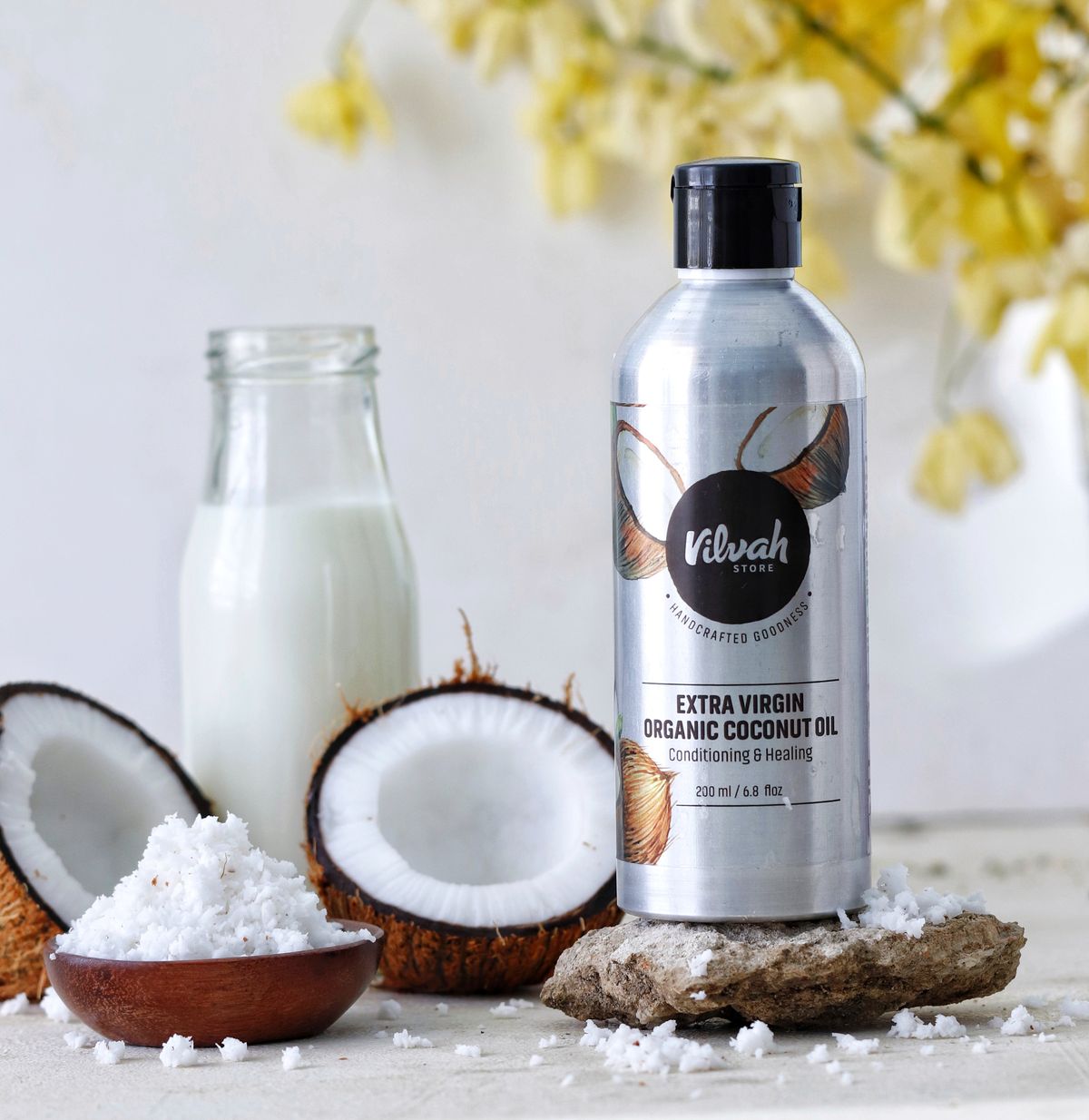
Why we picked it: This 100% pure, organic, cold-pressed extra-virgin coconut oil is exactly what you want if you’re taking it internally — unrefined and food-grade with nothing added, so no chemicals or fillers. It has a mild, pleasant taste that’s easy to stir into warm water, tea, or oatmeal, and it keeps its natural medium-chain fats. It’s gentle for occasional, small-amount use to help ease mild constipation (alongside plenty of water). It’s multi-use too, so the same jar works for cooking, skin, and hair. Start with a teaspoon, and check with your doctor first.
- Type: Organic extra-virgin
- Process: Cold-pressed
- Grade: Food-grade
- Taste: Mild, pleasant
- Best for: Gentle internal use
- Additives: None
- ✅ Pure & food-grade — nothing added
- ✅ Natural MCTs retained
- ✅ Mild taste — easy to take
- ✅ Mixes into tea, water, oatmeal
- ✅ Multi-use — one jar does it all
Check the latest price & reviews on Amazon. Price and availability can change.
Best for: anyone wanting a pure, food-grade coconut oil for gentle, occasional use (with a doctor’s okay).
🤝 Affiliate disclosure: As an Amazon Associate we earn from qualifying purchases. If you buy through our links, we may earn a small commission at no extra cost to you. We only recommend products we’d genuinely use.
Compare: options for gentle relief
Pure virgin oil for an easy start, or concentrated MCT (with extra caution).
| Product | Best for | Type | Note | Buy |
|---|---|---|---|---|
| Nature’s Way Organic Virgin | Gentle starting point | Extra-virgin | Pure, mild, food-grade | Check on Amazon |
| Nutiva Organic MCT Oil | Stronger effect (start tiny) | MCT (liquid) | Concentrated – easy to overdo | Check on Amazon |
| Viva Naturals Organic | Everyday pantry | Cold-pressed virgin | Unrefined, no additives | Check on Amazon |
When to See a Doctor (Warning Signs)
Coconut oil is for mild, occasional constipation. See a doctor — don’t rely on home remedies — if you have:
- Constipation lasting more than a week or two, or that keeps coming back.
- Severe pain, bloating, or cramping.
- Blood in your stool or black, tarry stools.
- Unexplained weight loss, vomiting, or fever.
- A sudden change in bowel habits, or no bowel movement for several days.
- Constipation during pregnancy, or if you have IBS, a bowel condition, or take medications — check with your doctor first.
Chronic constipation can signal an underlying issue that needs proper diagnosis and treatment. Coconut oil is not a substitute for medical care. If in doubt, or if symptoms are severe or persistent, see your doctor. Read our full wellness disclaimer.
Common Mistakes (and Fixes)
- Taking too much at once.
✅ Fix: Start with 1 teaspoon; more causes diarrhea and cramps. - Forgetting to drink water.
✅ Fix: Hydration is essential — pair it with plenty of fluids. - Relying on it instead of fiber.
✅ Fix: Fiber, fluids, and movement are the real fix. - Using it for chronic constipation.
✅ Fix: See a doctor for ongoing or severe cases. - Ignoring warning signs.
✅ Fix: Blood, severe pain, or weight loss means see a doctor now.
Real-Life Examples
- Travel constipation: a teaspoon of coconut oil plus lots of water helps ease a short bout while away.
- Low-fiber day: someone uses it as a gentle nudge, then focuses on fruit and veg.
- Too much, too soon: a first-timer takes a big spoon, gets cramps, and dials back to a teaspoon.
- Ongoing issue: a reader with recurring constipation sensibly sees a doctor instead of self-treating.
Frequently Asked Questions
Does coconut oil help with constipation?
It may help mild, occasional constipation for some people, thanks to its lubricating fats and quickly-digested MCTs. It’s not a proven or reliable laxative, though. Start with a small amount (1 teaspoon), drink plenty of water, and see a doctor for ongoing constipation.
How much coconut oil should I take for constipation?
Start with just 1 teaspoon, and if tolerated, up to 1–2 teaspoons once or twice a day for occasional use. More than that tends to cause diarrhea and cramps. Always take it with water and check with your doctor first.
How long does coconut oil take to work for constipation?
It varies a lot — some people notice an effect within hours, others not at all. Because the effect is mild and unreliable, don’t keep increasing the amount; too much just causes loose stools. Focus on water and fiber for lasting relief.
Can coconut oil cause diarrhea?
Yes. Taking too much coconut oil (or MCT oil) can cause loose stools, urgency, and cramps, since the fats can move things too quickly. That’s why you start with a small amount and increase slowly, if at all.
Is coconut oil safe for constipation during pregnancy?
Constipation is common in pregnancy, but you should check with your doctor or midwife before using coconut oil or any remedy. They can recommend safe, proven options like fiber, fluids, and pregnancy-safe approaches.
What works better than coconut oil for constipation?
Drinking more water, eating more fiber (fruits, vegetables, whole grains), staying active, and not ignoring the urge to go work far better long-term. For persistent constipation, your doctor can recommend proven treatments.
Your Gentle-Relief Checklist
- Check with your doctor first, especially if pregnant or unwell
- Start with just 1 teaspoon of pure oil
- Drink plenty of water with it
- Increase slowly, if at all; stop if cramps or diarrhea
- Focus on fiber, fluids, and movement for real relief
- Use it only for mild, occasional constipation
- See a doctor for ongoing symptoms or warning signs
The Bottom Line
Coconut oil may be a gentle, occasional helper for mild constipation — its lubricating fats and quickly-digested MCTs can nudge things along for some people. But it’s not a proven laxative, and too much just causes cramps and diarrhea, so start with a single teaspoon and always drink plenty of water. Most importantly, the real fixes are fiber, fluids, and movement, and ongoing constipation deserves a doctor’s attention, not just a home remedy. If you’d like to try it gently, reach for a jar of pure organic virgin coconut oil — and check with your doctor first.
👉 Coconut oil benefits · MCT oil guide · Coconut oil for cooking · 50+ ways to use it