If you’ve spotted MCT oil in someone’s morning coffee or a keto shopping cart and wondered what it actually is, this guide is for you. MCT oil is a concentrated fat made from coconut — prized for fast, clean energy. Here’s what MCTs are, how C8 differs from C10, the real benefits, how to use it without an upset stomach, and the best MCT oil to buy.
MCT oil is a flavorless liquid oil made of medium-chain triglycerides — mostly from coconut. Your body absorbs it quickly for fast energy and easy ketone production, which is why it’s popular for keto, coffee, and workouts. Start with 1 teaspoon (too much causes stomach upset), and for the purest fast energy choose a C8 (“caprylic acid”) oil.
Below we break down MCT oil vs coconut oil, C8 vs C10, the honest benefits, dosing, keto uses, side effects, and our top picks. Let’s dig in.
What Is MCT Oil?
MCT stands for medium-chain triglycerides — a type of fat with a shorter carbon-chain length than the “long-chain” fats in most foods. Because they’re shorter, MCTs are digested and absorbed differently: they travel quickly to the liver, where they can be burned for fast energy or converted into ketones.
MCT oil is a concentrated, purified form of these fats, most often extracted from coconut oil (and sometimes palm). It’s clear, flavorless, and stays liquid at room temperature and in the fridge, which makes it easy to stir into drinks. Think of it as the “fast-energy” fraction of coconut oil, isolated and bottled.
New to coconut-derived oils in general? Our best coconut oil buying guide covers the whole family, from virgin to refined to fractionated.
MCT Oil vs Coconut Oil: What’s the Difference?
They’re related but not the same. Coconut oil is a whole food fat that’s about 50–65% MCTs, with much of that being lauric acid — plus flavor, aroma, and long-chain fats. MCT oil strips all that away to concentrate the fast-acting medium-chain fats (mainly C8 and C10), leaving a neutral, always-liquid oil.
| Feature | MCT oil | Coconut oil |
|---|---|---|
| MCT content | ~100% (C8/C10) | ~50–65% (much is lauric) |
| State | Always liquid | Solid below ~76°F |
| Taste | Neutral / flavorless | Coconutty (virgin) |
| Best for | Coffee, energy, keto | Cooking, skin, hair |
| Cooking heat | Low only (low smoke point) | Baking to high-heat (refined) |
Bottom line: use MCT oil for fast energy in drinks and dressings, and coconut oil for cooking and body care. They’re complementary, not competitors. For cooking specifically, see our cooking with coconut oil guide.
C8 vs C10 vs C12: Which MCT Matters?
“MCT” is an umbrella term for a few fats, named by their carbon count. The label matters because they behave differently.
C8 — caprylic acid
The star of most premium MCT oils. C8 converts to ketones the fastest and most efficiently, so it’s favored for quick, clean energy and keto. It’s also the priciest.
C10 — capric acid
Also a good ketone producer, slightly slower than C8, and usually cheaper. Many oils blend C8 and C10 for a balance of performance and value.
C12 — lauric acid
Technically a medium-chain fat, but it behaves more like a long-chain fat and doesn’t produce ketones as readily. It’s abundant in coconut oil, which is why coconut oil isn’t as “ketogenic” as pure C8. Most quality MCT oils keep C12 low.
Fastest ketones / keto → pure or high-C8 oil. Best value all-rounder → a C8/C10 blend. Whole-food option → plain coconut oil (less potent for energy). Read the label for the C8/C10 breakdown.
Benefits of MCT Oil
Here’s the balanced view — genuine perks, without the hype.
⚡ Fast, steady energy
Because MCTs are absorbed quickly and burned readily, many people use MCT oil for a quick energy lift — in morning coffee or before a workout.
🥑 Easy ketones for keto
MCTs, especially C8, raise blood ketones, which is why they’re a staple for people following a ketogenic diet or wanting a mental “on” feeling without carbs.
🧠 A popular focus aid
Many users report steadier concentration from MCT coffee versus a carb-heavy breakfast. Individual experiences vary, and it’s not a substitute for sleep and good nutrition.
🏋️ Convenient workout fuel
As a fast-burning fat, MCT oil is an easy pre-workout energy source for some athletes, particularly on low-carb plans.
🍽️ Appetite & satiety
Some studies suggest MCTs modestly increase fullness. We cover the honest weight angle in our coconut oil & weight loss guide — spoiler: helpful at most, not magic.
MCT oil’s real strength is convenient, fast energy — especially for coffee and keto. Treat it as a useful tool, not a cure-all, and it earns its place.
How to Use MCT Oil (and How Much)
The golden rule with MCT oil is start low — too much, too soon is the number-one cause of the dreaded “disaster pants” (stomach cramps and loose stools). Begin with 1 teaspoon and increase slowly over a couple of weeks toward 1–2 tablespoons if it agrees with you.
- In coffee: blend (don’t just stir) a teaspoon into your morning coffee for the classic “bulletproof” style.
- In smoothies: add a teaspoon for creamy texture and energy.
- In dressings & dips: whisk into vinaigrettes or drizzle over finished dishes.
- Don’t fry with it: MCT oil has a low smoke point — keep it off the hot pan and use it cold or warm.
MCT oil in coffee tastes best emulsified. A quick whir with a frother or blender gives a smooth, latte-like texture instead of an oily slick on top.
The Best MCT Oil to Buy
For clean, fast energy, our editors reach for a pure organic C8 oil. It’s the most efficient ketone producer and mixes into anything without flavor.
Nutiva Organic MCT Oil (C8)
BEST OVERALL
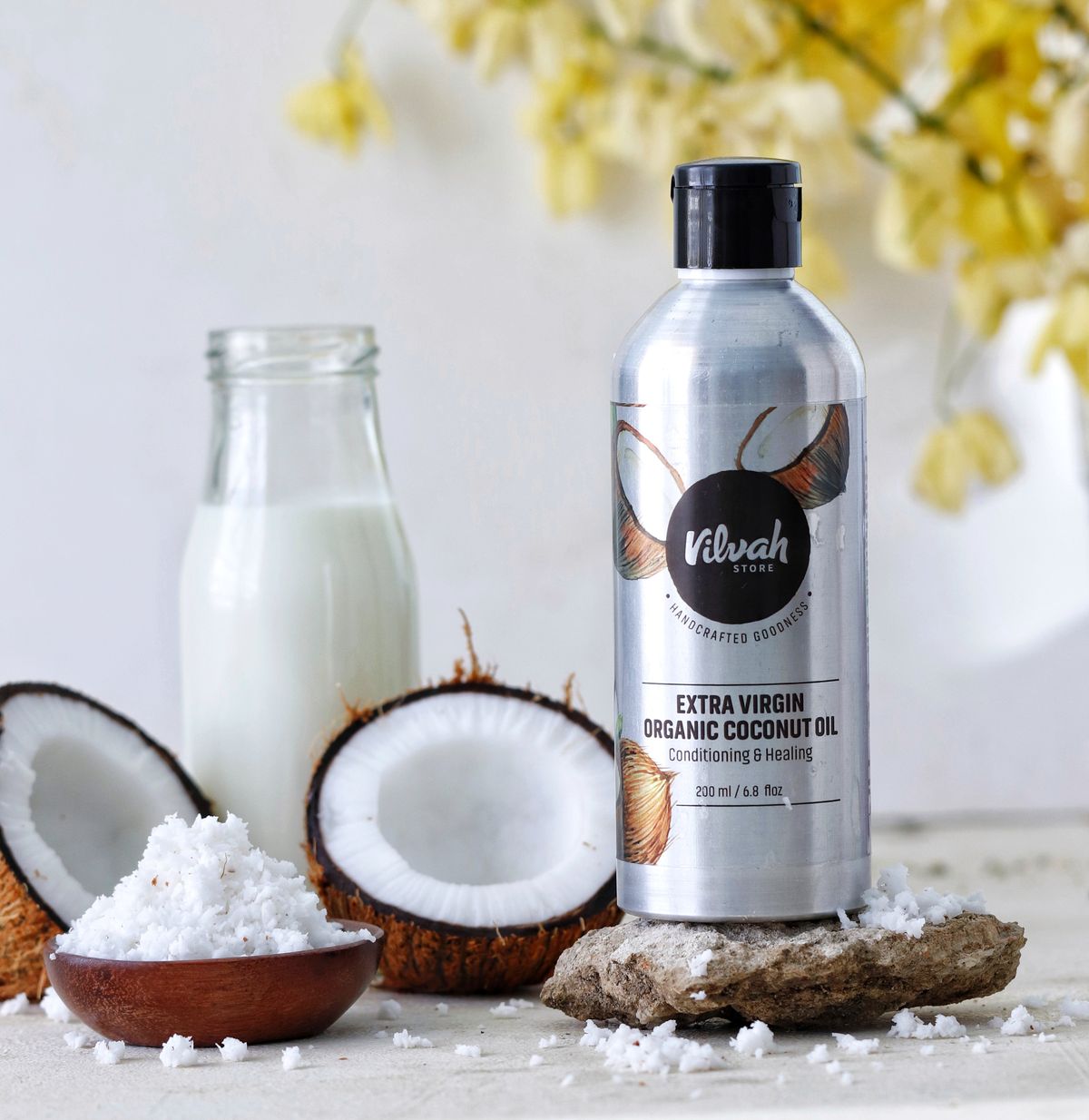
Why we picked it: A clean, USDA-organic MCT oil concentrated in C8 (caprylic acid) — the fraction that converts to ketones fastest. It’s unflavored and colorless, so it blends seamlessly into coffee, shakes, and dressings for quick, steady energy. Coconut-derived and single-ingredient, it’s an easy, trusted way to add MCTs to a keto or high-performance routine. Start with a teaspoon and build up.
- Type: C8 MCT oil
- Source: Coconut-derived
- Taste: Neutral
- Best for: Coffee, keto, energy
- Certifications: USDA Organic
- Use: Start 1 tsp, build up
- ✅ High C8 — fastest ketone conversion
- ✅ Flavorless — blends into any drink
- ✅ Organic & coconut-derived
- ✅ Keto & bulletproof-coffee friendly
- ✅ Single ingredient, easy to portion
Check the latest price & reviews on Amazon. Price and availability can change.
Best for: keto followers and coffee lovers who want clean, fast energy from a pure C8 oil.
🤝 Affiliate disclosure: As an Amazon Associate we earn from qualifying purchases. If you buy through our links, we may earn a small commission at no extra cost to you. We only recommend products we’d use ourselves.
Three MCT oils compared
Pick pure C8 for max performance, a premium triple-distilled option, or a budget-friendly blend.
| Product | Best for | Type | Highlight | Buy |
|---|---|---|---|---|
| Nutiva Organic MCT (C8) | Best overall | C8 | Organic, fast ketones | Check on Amazon |
| Bulletproof C8 & C10 MCT | Premium blend | C8/C10 | Triple-distilled, 100% coconut | Check on Amazon |
| Nature’s Way Organic MCT | Best value | C8/C10 | Brain & body fuel, budget-friendly | Check on Amazon |
MCT Oil and the Keto Diet
MCT oil and keto are a natural match. On a ketogenic diet you’re aiming to run on fat and ketones instead of carbs, and MCTs — especially C8 — raise ketone levels quickly. That can help some people feel energized and focused, ease the transition into ketosis, or push through a mid-afternoon slump without carbs.
It’s still not a free pass: MCT oil is calorie-dense (about 115–120 calories per tablespoon), so it counts toward your daily intake. Use it as a tool within your plan, not as unlimited “keto fuel,” and build your diet on whole foods first.
Side Effects and Who Should Be Careful
- Digestive upset. The most common issue — cramps, nausea, or loose stools from too much too fast. Start with a teaspoon.
- Empty calories if overused. It adds up quickly; keep portions sensible.
- Liver conditions. Because MCTs are processed by the liver, anyone with liver disease should check with a doctor first.
- Not for frying. Low smoke point means it’s for cold/warm use, not high heat.
MCT oil is a food, not a medicine, and it won’t fix a poor diet. If you’re pregnant, managing a health condition, or have liver concerns, talk to your doctor or a dietitian before adding it. This article is general education, not medical advice — see our wellness disclaimer.
Frequently Asked Questions
What is MCT oil used for?
Most people use it for fast, clean energy — in coffee, smoothies, and dressings — and to support a keto diet by raising ketones. It’s flavorless and mixes easily into drinks.
Is MCT oil the same as coconut oil?
No. MCT oil is a concentrated, always-liquid extract of the medium-chain fats in coconut oil. Coconut oil is a whole-food fat that’s only part MCTs and is better for cooking and body care.
Is C8 or C10 MCT oil better?
C8 converts to ketones fastest and is preferred for keto and energy, but it costs more. C10 is a bit slower and cheaper; many oils blend both for a balance of performance and value.
How much MCT oil should I take?
Start with 1 teaspoon and increase slowly over a couple of weeks toward 1–2 tablespoons if it agrees with you. Too much too soon commonly causes stomach upset.
Can I cook with MCT oil?
Only at low heat or cold — it has a low smoke point. Use it in coffee, smoothies, and dressings; for cooking, use coconut or another high-heat oil.
Does MCT oil break a fast?
It contains calories, so strictly speaking it breaks a fast. Many people on “fat fasts” or bulletproof routines still use it because it doesn’t spike blood sugar, but it isn’t a zero-calorie option.
Your Quick-Start Checklist
- Choose C8 for fastest energy, or a C8/C10 blend for value
- Prefer organic, coconut-derived oil
- Start with 1 teaspoon and build up slowly
- Blend into coffee or smoothies (don’t just stir)
- Don’t fry — use cold or warm only
- Count it toward daily calories
- Check with a doctor if you have liver concerns
The Bottom Line
MCT oil is a simple, convenient way to get fast, clean energy from coconut-derived fats — a favorite for coffee, keto, and workouts. For the most efficient ketones, choose a pure C8 oil like Nutiva Organic MCT Oil; for value, a C8/C10 blend does the job. Start with a teaspoon, blend it into your coffee, and build up slowly. Used sensibly, it’s a genuinely handy tool — just not a magic one.