Tired of brushing white flakes off your shoulders? Dandruff is annoying, common, and — happily — often easy to calm down with something natural. Using coconut oil for dandruff can moisturize a dry, flaky scalp, fight the yeast that causes flakes, and soothe the itch. This friendly guide shows you exactly how to use it, how often, and when a medicated shampoo is the smarter choice.
Coconut oil can genuinely help dandruff. It moisturizes a dry, flaky scalp, and its lauric acid fights the yeast (Malassezia) linked to dandruff, while calming itch and irritation. It works best for mild dandruff and dry-scalp flaking. Massage it in, leave it 30 minutes (or overnight), then wash out. It’s not a cure for every case — stubborn dandruff may still need a medicated shampoo.
Below you’ll learn why it works, a step-by-step routine, easy DIY blends, how it compares to anti-dandruff shampoo, honest cautions, and the best coconut oil to use. Let’s get that scalp flake-free.
What Actually Causes Dandruff
Before we fix it, let’s understand it. Dandruff isn’t just “dry scalp” — there are a few common causes, and knowing yours helps you treat it. The main culprits are:
- A yeast called Malassezia. This fungus lives on everyone’s scalp, but in some people it grows too much, irritates the skin, and speeds up how fast skin cells shed — creating those white or yellowish flakes.
- Dry scalp. A scalp low on moisture gets tight, itchy, and flaky (often smaller, drier flakes), especially in cold or dry weather.
- Oily, irritated skin (seborrheic dermatitis), which causes larger, greasier, yellowish flakes and redness.
- Product buildup or infrequent washing, which can worsen flaking.
Here’s the good news: coconut oil can help with the two most common causes — a dry scalp (by moisturizing) and the Malassezia yeast (by fighting it). That’s why it’s such a popular natural remedy. For overall scalp and hair care, see our coconut oil for hair guide.
Most dandruff comes down to two things: a dry, unhappy scalp and an overgrowth of yeast. Coconut oil helps on both fronts — it hydrates the skin and fights the fungus at the same time.
Does Coconut Oil Really Help Dandruff?
Yes — and there’s decent evidence behind it. Studies have shown that applying coconut oil to the scalp can improve scalp health and reduce the Malassezia yeast tied to dandruff. Its deep moisturizing also directly tackles the dry-scalp flaking that so many people experience.
What coconut oil can realistically do for dandruff:
- Moisturize a dry, flaky scalp so it stops shedding those small dry flakes.
- Reduce the yeast that drives many dandruff cases, thanks to antifungal lauric acid.
- Calm itch and irritation with its soothing, anti-inflammatory properties.
- Support a healthier scalp overall, which means fewer flakes over time.
It works best for mild dandruff and dry-scalp flaking. For severe, stubborn, or medically diagnosed conditions, it can be a helpful add-on but may not be enough on its own — more on that in the shampoo comparison below.
Why Coconut Oil Works (The Science, Simply)
Coconut oil’s secret is its fatty acids, especially lauric acid. This fat is naturally antifungal and antibacterial, so it helps keep the Malassezia yeast in check — and since that yeast is a major dandruff trigger, calming it means fewer flakes. At the same time, coconut oil is a fantastic emollient: it sinks into the skin of the scalp, softens it, and locks in moisture, which stops the dryness that causes flaking.
It also has mild anti-inflammatory properties that soothe the redness and itch that come with an irritated scalp. Put those together — antifungal, moisturizing, and calming — and you’ve got a natural three-in-one for the most common types of dandruff. Bonus: it’s gentle and free of the harsh sulfates and fragrances that can irritate a sensitive scalp.
Use virgin (unrefined) coconut oil, which keeps the most lauric acid and natural goodness. Refined oil is more processed and may offer a bit less. Organic, pure, and additive-free is best for your scalp.
How to Use Coconut Oil for Dandruff (Step by Step)
It’s simple and takes just a few minutes of hands-on time. Here’s the routine.
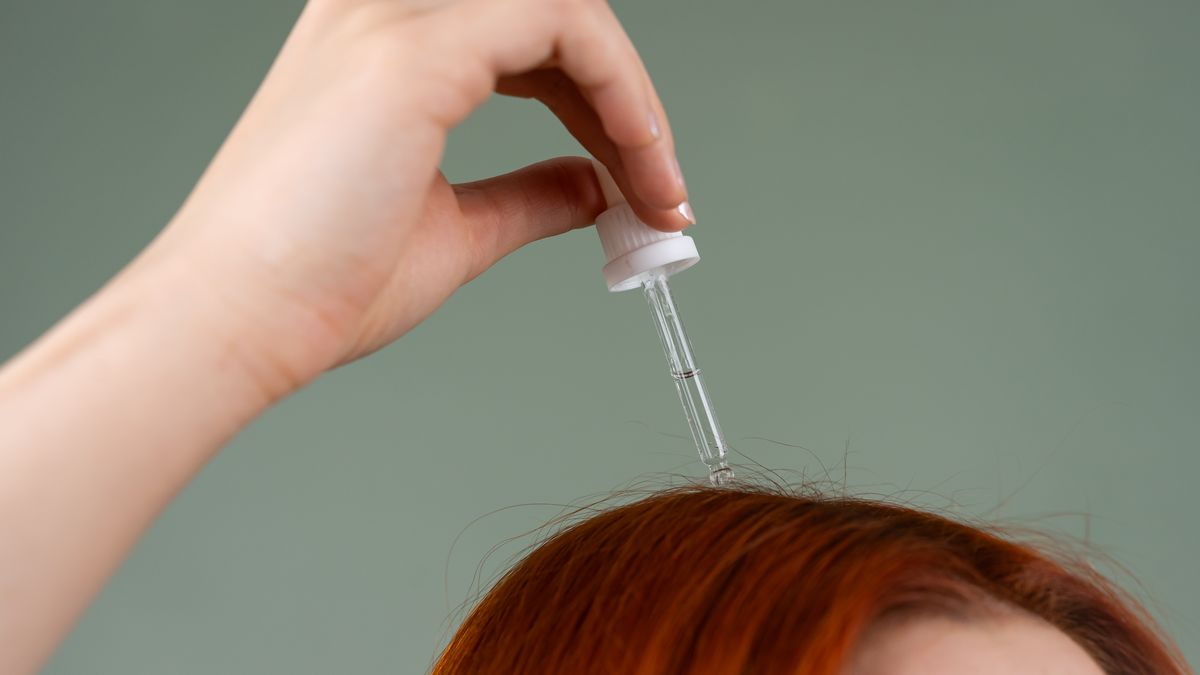
- Start with a small amount. Scoop about 1–2 teaspoons (more for long or thick hair) and warm it between your palms until it melts.
- Focus on the scalp, not the hair. Part your hair and massage the oil directly into your scalp using your fingertips in small circles. This is where dandruff lives.
- Massage for 3–5 minutes. The massage boosts circulation and helps the oil absorb — and it feels great.
- Let it sit for 30 minutes (or leave it overnight with a towel on your pillow or a shower cap for a deeper treatment).
- Wash it out with a gentle shampoo — you may need to shampoo twice to fully remove the oil so hair doesn’t look greasy.
- Repeat 2–3 times a week until the flaking calms down, then use it as needed for maintenance.
Slightly warm (never hot) oil spreads and absorbs better. After massaging it in, gently comb through to loosen existing flakes so they wash away. Don’t scratch or scrape your scalp — that irritates it and makes dandruff worse.
DIY Anti-Dandruff Coconut Oil Blends
You can boost plain coconut oil with a few scalp-friendly add-ins. Try these (mix into 1–2 tablespoons of coconut oil, and always patch test essential oils first):
- Tea tree oil blend: add 3–5 drops of tea tree oil — it’s known for antifungal, anti-dandruff properties. A classic combo.
- Lemon juice blend: mix in a teaspoon of fresh lemon juice to help cut buildup and balance the scalp (rinse well).
- Rosemary blend: add a couple of drops of rosemary oil to soothe the scalp and support hair health.
- Aloe vera blend: stir in a spoon of aloe vera gel for extra calming and moisture on an itchy scalp.
Always dilute essential oils (like tea tree) in coconut oil — never apply them straight to your scalp. Patch test any blend 24 hours ahead, keep it away from your eyes, and stop if you feel burning or increased irritation.
How Often Should You Use It?
For active dandruff, 2–3 times a week is a good starting point. Consistency matters more than doing it every day — in fact, using oil too often (or leaving it on constantly) can lead to buildup that feeds the very yeast you’re trying to reduce. Once your scalp calms down and the flakes ease, drop back to once a week or as needed for maintenance.
Give it a couple of weeks of regular use before judging results. If your dandruff hasn’t improved at all after 3–4 weeks, or it’s getting worse, that’s your cue to try a medicated shampoo or see a doctor (see the caution section).
Coconut Oil vs Anti-Dandruff Shampoo
People often ask whether they should ditch their dandruff shampoo for coconut oil. The honest answer: they’re not really rivals, and the best approach often uses both.
| Feature | Coconut oil | Anti-dandruff shampoo |
|---|---|---|
| How it works | Moisturizes + mild antifungal | Active ingredients (zinc pyrithione, ketoconazole, selenium) |
| Best for | Mild, dry-scalp dandruff | Moderate to stubborn dandruff |
| Feel | Natural, no harsh chemicals | Clinically proven, targeted |
| Downside | May not clear severe cases | Can be drying for some scalps |
A smart combo for many people: use a medicated shampoo a couple of times a week to hit the yeast hard, and use coconut oil as a soothing, moisturizing treatment in between to fight dryness and itch. If plain coconut oil clears your mild flaking on its own, great — but don’t feel you have to choose. For severe, red, or painful scalp issues, a proven shampoo (or a doctor’s help) should lead.
Best Coconut Oil for Dandruff
For dandruff, reach for pure, organic, virgin coconut oil — unrefined, so it keeps the antifungal lauric acid, with no additives to irritate your scalp. Here’s our top pick.
Nature’s Way Organic Extra Virgin Coconut Oil
TOP PICK
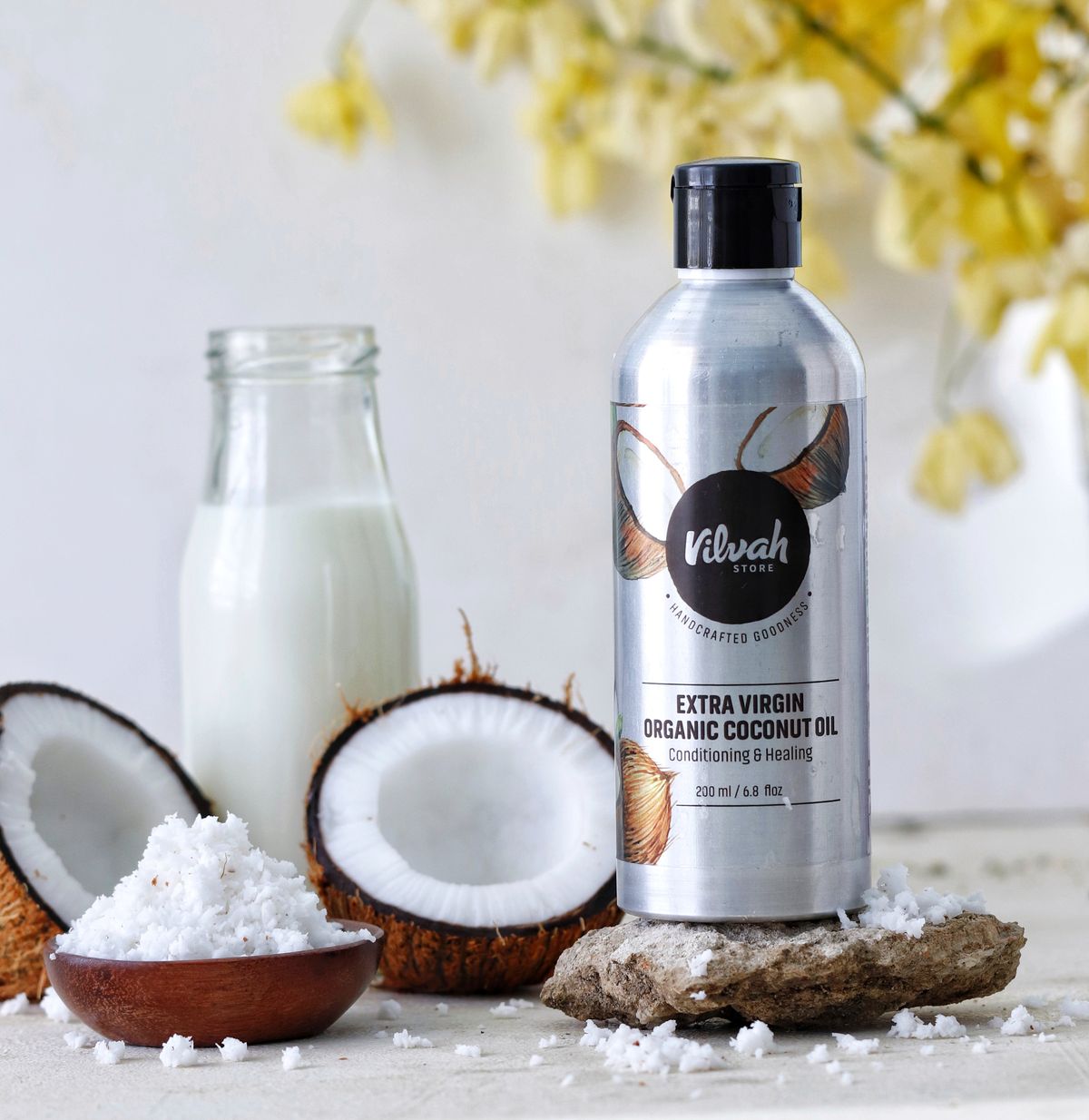
Why we picked it: This is 100% pure, organic, cold-pressed extra-virgin coconut oil — exactly what you want for a flaky scalp. Because it’s unrefined with nothing added, it keeps the most lauric acid (the antifungal fat that fights dandruff-causing yeast) and has zero fragrance or additives to irritate a sensitive scalp. It deeply moisturizes dry, flaking skin, calms itch, and doubles as a scalp mask or an overnight treatment. It’s food-grade and multi-use, so one jar covers scalp, skin, hair, and cooking. Choose it, massage in, and wash out.
- Type: Organic extra-virgin
- Process: Cold-pressed
- Additives: None
- Best for: Dry, flaky scalp
- Fragrance: Light natural
- Grade: Food-grade
- ✅ Unrefined & pure — max lauric acid
- ✅ Antifungal support against yeast
- ✅ Deeply moisturizes a dry scalp
- ✅ Calms itch and irritation
- ✅ Multi-use — one jar does it all
Check the latest price & reviews on Amazon. Price and availability can change.
Best for: anyone wanting a pure, natural oil to moisturize a flaky scalp and fight mild dandruff.
🤝 Affiliate disclosure: As an Amazon Associate we earn from qualifying purchases. If you buy through our links, we may earn a small commission at no extra cost to you. We only recommend products we’d genuinely use.
Compare: coconut oils for dandruff
Any pure, virgin oil works; a lighter option helps if you dislike heavy oil.
| Product | Best for | Type | Note | Buy |
|---|---|---|---|---|
| Nature’s Way Organic Virgin | Scalp treatment | Extra-virgin | Pure, max lauric acid | Check on Amazon |
| Viva Naturals Organic | Whole-family use | Cold-pressed virgin | Unrefined, no additives | Check on Amazon |
| Fractionated Coconut Oil | Lighter, less greasy feel | Liquid | Easy rinse (less lauric acid) | Check on Amazon |
Honest Cautions
- Oily-scalp dandruff: if your dandruff is the greasy, yellowish kind (seborrheic dermatitis), adding oil can sometimes make it worse for some people — go carefully and consider a medicated shampoo instead.
- Buildup: too much oil or not rinsing well can leave residue that feeds yeast; use modest amounts and wash thoroughly.
- Allergies: skip it if you’re allergic to coconut, and patch test if unsure.
- Not a cure-all: severe, spreading, painful, or bleeding scalp issues need a doctor, not just coconut oil.
If your dandruff is severe, doesn’t improve after a few weeks, or your scalp is very red, swollen, painful, weeping, or losing hair, see a doctor or dermatologist. It could be seborrheic dermatitis, psoriasis, or another condition that needs proper treatment. This article is general info, not medical advice — see our disclaimer.
Common Mistakes (and Fixes)
- Only oiling the hair, not the scalp.
✅ Fix: Massage it into the scalp itself — that’s where dandruff is. - Using way too much oil.
✅ Fix: 1–2 teaspoons is plenty; more just causes buildup and grease. - Not rinsing thoroughly.
✅ Fix: Shampoo twice so no oily residue is left to feed yeast. - Scratching to remove flakes.
✅ Fix: Gently comb; scratching irritates and worsens dandruff. - Expecting overnight results.
✅ Fix: Use 2–3x a week for a few weeks; switch methods if no improvement.
Real-Life Examples
- Winter dry scalp: a weekly overnight coconut oil mask stops cold-weather flaking.
- Mild everyday flakes: a 30-minute treatment twice a week clears things up naturally.
- Itchy scalp: a tea-tree-and-coconut blend calms itch and reduces flakes.
- Stubborn case: someone pairs a medicated shampoo with coconut oil in between for the best of both.
Frequently Asked Questions
Is coconut oil good for dandruff?
Yes, for many people. It moisturizes a dry, flaky scalp and its lauric acid fights the yeast that causes dandruff, while calming itch. It works best for mild, dry-scalp dandruff. Massage into the scalp, leave 30 minutes or overnight, then wash out.
How long should I leave coconut oil on my scalp for dandruff?
At least 30 minutes for a quick treatment, or leave it overnight for a deeper effect. Then shampoo it out, washing twice if needed to remove all the oil.
How often should I use coconut oil for dandruff?
Start with 2–3 times a week while dandruff is active, then drop to once a week or as needed for maintenance. Using it too often can cause buildup.
Can coconut oil make dandruff worse?
It can for some people, especially with oily, greasy-flake dandruff (seborrheic dermatitis) or if too much oil builds up. Use modest amounts, rinse well, and switch to a medicated shampoo if flaking increases.
Should I use coconut oil or dandruff shampoo?
Both can work together. Coconut oil suits mild, dry-scalp dandruff; medicated shampoo is better for moderate-to-stubborn cases. Many people use a dandruff shampoo plus coconut oil as a soothing treatment in between.
Does coconut oil with tea tree oil help dandruff?
Yes — tea tree oil has antifungal, anti-dandruff properties. Add a few drops to coconut oil (diluted), patch test first, and massage into the scalp for an extra boost.
Your Flake-Free Checklist
- Massage oil into the scalp, not just hair
- Use only 1–2 teaspoons to avoid buildup
- Leave on 30 minutes or overnight
- Shampoo twice to rinse fully
- Use 2–3x a week, then maintain weekly
- Dilute any essential oils and patch test
- See a doctor for severe or worsening scalp issues
The Bottom Line
Coconut oil is a cheap, natural, and often effective way to tackle mild dandruff. It moisturizes a dry, flaky scalp, fights the yeast behind many dandruff cases, and soothes the itch — a natural three-in-one. Massage a pure, virgin oil into your scalp a few times a week, leave it on, and wash thoroughly. For stubborn or greasy dandruff, pair it with a medicated shampoo or see a doctor. Grab a jar of organic virgin coconut oil and give your scalp some relief.
👉 Coconut oil for hair · Coconut oil for skin · Coconut oil for eczema · 50+ ways to use it