Cracked, peeling, painfully dry lips? Before you reach for another waxy drugstore stick, take a look in your kitchen. Coconut oil for lips is one of the simplest, cheapest, and most soothing ways to heal chapped lips and keep them soft — and this friendly guide shows you exactly how to use it, when it works best, and how to make your own lip balm in minutes.
Yes — coconut oil is great for lips. It deeply moisturizes, forms a protective barrier, and helps heal cracks thanks to its fatty acids and mild antibacterial lauric acid. Dab on a thin layer whenever your lips feel dry. For all-day hold and easy carrying, a coconut-oil lip balm is even more convenient than the raw oil.
Below you’ll learn why it works so well, step-by-step how to apply it, a super-easy DIY lip balm recipe, honest cautions, and the best products to grab if you’d rather not scoop from a jar. Let’s get those lips soft again.
Why Coconut Oil Works So Well on Lips
Your lips don’t have oil glands like the rest of your skin, so they dry out fast — especially in cold wind, dry heat, or when you lick them a lot. That’s where coconut oil shines. It’s an emollient, which is a fancy word for something that softens and smooths skin, and it does two important jobs at once.
First, it sinks in and moisturizes. The fatty acids in coconut oil are similar to the skin’s own natural oils, so they absorb nicely and hydrate the delicate skin on your lips. Second, it seals that moisture in by forming a light protective layer on the surface — so water doesn’t escape and your lips stay soft longer. On top of that, coconut oil’s lauric acid has mild antibacterial and antifungal properties, which can help keep small cracks from getting irritated.
Chapped lips are really a moisture problem. Coconut oil fixes it from both sides at once — it hydrates the skin and then locks that hydration in, so lips heal instead of drying out again an hour later.
It’s also gentle, food-safe, and free of the artificial fragrances or menthol found in some lip balms that can actually sting or dry lips more. For most people, that makes it a lovely everyday choice. Curious about its full range? See our coconut oil for skin guide.
6 Real Benefits for Your Lips
- 💧 Deep moisture — softens dry, tight lips fast.
- 🛡️ Protective barrier — seals in hydration and shields from wind and cold.
- 🩹 Helps heal cracks — soothes and supports chapped, split lips.
- 🌿 Gentle & natural — no artificial fragrance, menthol, or dyes to irritate.
- ✨ Natural shine — leaves a healthy, subtle gloss (a nice lip-gloss alternative).
- 💛 Multi-use & cheap — one jar also works for skin, hair, and cooking.
Coconut oil is a moisturizer and protector, not a medicine. For everyday dryness it’s excellent, but severely cracked, bleeding, or infected lips — or a rash that won’t heal — should be seen by a doctor or dermatologist.
How to Use Coconut Oil on Your Lips (Step by Step)
This couldn’t be easier, and the whole thing takes about ten seconds.
- Start with clean lips. Gently wipe away any old balm or lipstick so the oil can absorb.
- Scoop a tiny amount. A little dab — less than a pea-size — is plenty. Coconut oil is solid when cool and melts at body temperature.
- Warm it on your fingertip. Rub it on your finger for a second so it turns to liquid.
- Smooth it over your lips. Apply an even, thin layer across the top and bottom lip.
- Reapply as needed. Use it whenever your lips feel dry — morning, after meals, before bed, and before heading out into cold or wind.
You can use clean fingers, a cotton swab, or scoop a little into a small lip-balm tin to carry with you. That’s really all there is to it.
Apply coconut oil before your lipstick as a hydrating base, or dab a little on top for a soft, glossy finish. It also makes a gentle, natural makeup remover for long-wear lip color.
Easy DIY Coconut Oil Lip Balm (2 Ways)
Want something you can twist up or carry in your pocket? Turn coconut oil into a proper lip balm. Here are two simple recipes.
Super-simple 2-ingredient balm
- Melt 2 tablespoons of coconut oil with 1 tablespoon of beeswax pellets in a bowl over hot water.
- Stir until smooth and fully combined.
- Pour into small lip-balm tins or tubes.
- Cool for about 30 minutes until set. Done!
Nourishing 3-ingredient balm
- Melt 2 tablespoons coconut oil + 1 tablespoon beeswax + 1 tablespoon shea butter together.
- Add a drop of vitamin E oil and, if you like, a tiny drop of a food-safe flavor.
- Pour, cool, and use. The shea butter adds extra richness for very dry lips.
Use a double boiler or a bowl over hot water — don’t melt coconut oil in a pan over direct high heat, and be careful with hot beeswax. Let everything cool before touching. Skip any essential oils that aren’t verified lip-safe.
The Overnight Lip Treatment
For lips that are really dry or peeling, an overnight treatment works wonders. Right before bed, apply a slightly thicker layer of coconut oil to your lips. As you sleep, it deeply moisturizes and helps repair the skin, so you wake up with noticeably softer lips. If your lips are flaky, do a gentle scrub first (below) so the oil can soak into fresh, smooth skin.
Do this a few nights in a row when your lips are badly chapped, then keep it up once or twice a week for maintenance. It’s a spa-worthy step that costs almost nothing.
Coconut Oil Lip Scrub for Flaky Lips
Peeling, flaky lips need gentle exfoliation before moisture can really help. A coconut oil lip scrub is quick and gentle:
- Mix 1 teaspoon coconut oil with 1 teaspoon fine sugar (brown or white).
- Rub the mixture over your lips in small circles for 30–60 seconds.
- Wipe off with a damp, soft cloth.
- Follow with a fresh layer of coconut oil or balm to lock in moisture.
Use this once or twice a week — not daily — since over-scrubbing can irritate delicate lip skin. The sugar buffs away flakes while the coconut oil moisturizes at the same time.
Best Coconut Oil Products for Your Lips
Scooping from a jar works great at home, but a ready-made coconut-oil lip balm is easier to carry, mess-free, and gives all-day protection. Here’s our top pick for on-the-go soft lips.
Palmer’s Coconut Oil Formula Lip Balm
TOP PICK
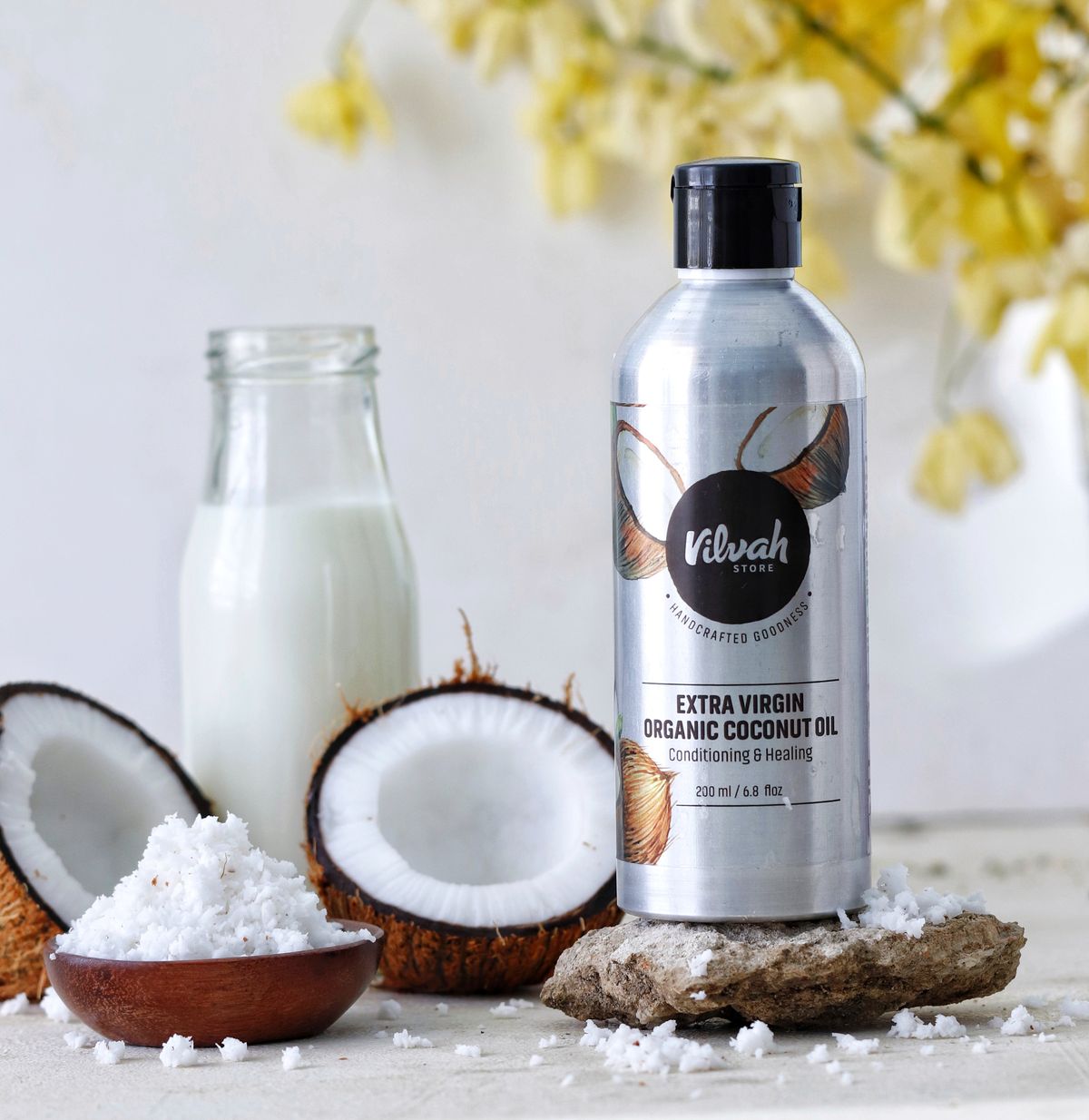
Why we picked it: This lip balm pairs hydrating coconut oil with vitamin E for all-day moisture in a convenient twist-up stick — no scooping, no mess. It glides on smoothly, seals in hydration, and adds a subtle, pleasant coconut touch without harsh menthol or artificial fragrance that can dry lips out. It slips easily into a pocket or bag, so soft lips are always within reach. A budget-friendly, trusted-brand choice for daily use.
- Key oils: Coconut + vitamin E
- Form: Twist-up stick
- Feel: Smooth, non-waxy
- Use: All-day, reapply freely
- Scent: Light coconut
- Best for: On-the-go dry lips
- ✅ All-day moisture with vitamin E
- ✅ Mess-free twist-up convenience
- ✅ Seals & protects from wind and cold
- ✅ No menthol to sting or dry
- ✅ Pocket-friendly and affordable
Check the latest price & reviews on Amazon. Price and availability can change.
Best for: anyone who wants coconut-oil lip care they can carry and reapply anywhere, mess-free.
🤝 Affiliate disclosure: As an Amazon Associate we earn from qualifying purchases. If you buy through our links, we may earn a small commission at no extra cost to you. We only recommend products we’d genuinely use.
Compare: balm vs pure oil for lips
Grab a ready-made balm for convenience, or a pure virgin jar for DIY and multi-use.
| Product | Best for | Form | Note | Buy |
|---|---|---|---|---|
| Palmer’s Coconut Lip Balm | On-the-go use | Twist-up stick | Coconut + vitamin E, mess-free | Check on Amazon |
| Nature’s Way Organic Virgin | DIY balm & home use | Jar | Pure, multi-use, food-grade | Check on Amazon |
| Fractionated Coconut Oil | Light, liquid application | Liquid bottle | Stays liquid, non-greasy | Check on Amazon |
Honest Cautions
Coconut oil is gentle for most people, but a few honest notes:
- Allergies: if you’re allergic to coconut, skip it. Patch test on your inner arm first if you’re unsure.
- It’s not a sunscreen: coconut oil offers little UV protection, so use a lip balm with SPF for sun.
- Won’t fix medical issues: cold sores, angular cheilitis (cracks at the mouth corners), or a persistent rash need proper treatment — see a doctor.
- Food-grade only: since it goes on your lips (and you’ll swallow a little), use pure, food-grade coconut oil.
Coconut Oil vs Other Lip Care Options
How does coconut oil stack up against the other things people slather on their lips? Here’s an honest side-by-side so you can pick what fits you.
| Option | How it works | Best for |
|---|---|---|
| Coconut oil | Moisturizes AND seals; mild antibacterial | Natural, everyday dry lips + DIY |
| Petroleum jelly (Vaseline) | Seals only — no added moisture | Locking in over another moisturizer |
| Beeswax balm | Strong protective seal | Windy, cold, outdoor conditions |
| Shea butter | Rich, deep moisture | Very dry, mature lips |
| Medicated (menthol) balms | Tingle; can dry lips with overuse | Occasional use only |
The big advantage of coconut oil is that it does two jobs — it adds moisture and then seals it in — while petroleum jelly and beeswax mostly just seal. That’s why a coconut-oil balm (often blended with a little beeswax or shea) gives you the best of both worlds: real hydration plus lasting protection. Menthol or “medicated” balms feel soothing at first, but the tingle can actually dry lips with frequent use, so they’re best kept occasional.
Hydrate from the inside — drink enough water, since dehydration shows on your lips first. Stop the lick habit, which strips moisture and makes chapping worse. Layer smart — a coconut-oil base under a beeswax balm gives moisture plus a stronger seal in harsh weather. And keep a balm everywhere — bag, car, desk — so you reapply before lips get dry, not after.
Common Mistakes (and Fixes)
- Using way too much.
✅ Fix: A tiny dab melts and spreads — greasy means overdone. - Applying over flaky skin.
✅ Fix: Gently scrub first so oil soaks into smooth lips. - Licking your lips constantly.
✅ Fix: Licking dries lips more; reapply oil instead. - Expecting SPF protection.
✅ Fix: Use an SPF balm in strong sun. - Ignoring a rash or sore.
✅ Fix: See a doctor for cold sores or cracks that won’t heal.
Real-Life Examples
- Winter chapping: a swipe before going out plus an overnight layer keeps lips from cracking in the cold.
- Peeling lips: a weekly sugar-and-coconut scrub buffs away flakes for a smooth finish.
- Matte-lipstick dryness: a coconut oil base before color stops that tight, dry feeling.
- DIY gift: homemade coconut lip balm tins are a popular, budget-friendly handmade present.
Frequently Asked Questions
Is coconut oil good for chapped lips?
Yes. Coconut oil moisturizes and seals in hydration while its lauric acid soothes, making it excellent for dry, chapped lips. Apply a thin layer whenever your lips feel dry, and use an overnight layer for badly cracked lips.
Can I use coconut oil on my lips every day?
Absolutely — you can apply it as often as you like, several times a day. It’s gentle and food-safe. Just use a small amount each time so it doesn’t feel greasy.
Does coconut oil make lips pink or lighten them?
Coconut oil won’t dramatically change your natural lip color, but by healing dryness and adding a soft, healthy shine, well-moisturized lips often look fuller and more vibrant.
Can I leave coconut oil on my lips overnight?
Yes, and it’s one of the best uses. A slightly thicker layer before bed deeply moisturizes and repairs lips while you sleep, so you wake up with softer lips.
Is coconut oil or lip balm better?
Both work. Pure coconut oil is cheap and great at home and for DIY; a coconut-oil lip balm is more convenient to carry, mess-free, and often adds vitamin E or SPF. Many people use both.
Can coconut oil heal cold sores?
It may soothe and moisturize the area, and its lauric acid has mild antiviral properties, but it’s not a proven cold-sore treatment. For frequent or painful cold sores, see a doctor about antiviral options.
Your Soft-Lips Checklist
- Apply to clean lips with a tiny dab
- Reapply whenever lips feel dry
- Use an overnight layer for badly chapped lips
- Scrub gently once or twice a week for flakes
- Use an SPF balm in strong sun
- Choose food-grade, pure oil (or a coconut balm)
- See a doctor for cold sores or cracks that won’t heal
The Bottom Line
Coconut oil is a cheap, natural, genuinely effective way to heal chapped lips and keep them soft. It moisturizes, seals in hydration, and soothes cracks — with no harsh additives. Use a small dab as often as you like, add an overnight treatment and a weekly scrub when lips are really dry, and patch test if you have a coconut allergy. For easy, mess-free care on the go, grab a coconut-oil lip balm, or keep a jar of virgin coconut oil for DIY.
👉 Coconut oil for skin · Coconut oil benefits · 50+ ways to use it · Best coconut oil guide