Red, hot, tight, and stinging skin after a day in the sun? A sunburn is miserable — and you want relief fast. Using coconut oil for sunburn can moisturize peeling skin, calm the tight, dry feeling, and support healing, once your skin has cooled down. But there’s a right way and a wrong way to use it, and one big timing rule you must know. This friendly guide walks you through it all.
Do NOT put coconut oil on a fresh, hot sunburn. Oil can trap heat in the skin and make a new burn feel worse. Wait until the skin has fully cooled (usually a day or so, once the heat and initial redness settle) — then coconut oil is great for moisturizing and easing peeling. For the first day, cool the skin instead (cool showers, aloe, water).
Below you’ll learn when coconut oil helps, when to skip it, how to use it step by step, what to do in the first 24 hours instead, honest cautions, and the best oil to buy. Let’s soothe that skin the smart way.
- Does coconut oil help sunburn?
- The timing rule (very important)
- Why it helps (once cooled)
- What to do in the first 24 hours
- How to use it (step by step)
- For peeling & after-sun care
- It is NOT sunscreen
- Best coconut oil for sunburn
- When to avoid it / see a doctor
- Common mistakes
- FAQ
- Sunburn-relief checklist
Does Coconut Oil Actually Help Sunburn?
Yes — with an important caveat about timing. Once your skin has cooled and the initial heat is gone, coconut oil is a lovely, natural way to moisturize and soothe sunburned skin. A burn dries the skin out badly, which leads to that tight, itchy, flaky, peeling feeling. Coconut oil is a rich emollient that deeply hydrates, softens, and helps your skin feel more comfortable while it heals.
What coconut oil can realistically do for a (cooled) sunburn:
- Deeply moisturize dry, tight, peeling skin.
- Calm the itch and flaking that come as the burn heals.
- Soothe irritation with mild anti-inflammatory properties.
- Support the skin barrier so it recovers more comfortably.
- Fight minor bacteria with lauric acid as the skin repairs.
What it can’t do: it won’t “cure” a burn or reverse the sun damage, and it should never go on skin that’s still hot or blistered. Think of it as gentle after-sun moisture, not a first-aid treatment for the burn itself. For more skin uses, see our coconut oil for skin guide.
The Timing Rule (Please Don’t Skip This)
This is the single most important thing in this article, so let’s be crystal clear. A sunburn is essentially a heat injury to your skin. In the first hours and day, your skin is still hot and inflamed. Applying a heavy oil like coconut oil too early can seal in that heat, act like a barrier, and make the burn feel worse — the opposite of what you want.
Cool first, moisturize later. For a fresh, hot sunburn, your job is to bring the heat down — not seal it in with oil. Once the skin is cool and calm, that’s coconut oil’s moment to shine.
So the rule is simple: cool the skin for the first 24 hours (cool showers, cold compresses, aloe vera, plenty of water), and bring in coconut oil once the skin has fully cooled and the heat has passed — usually the next day, when the burn shifts from “hot” to “dry and tight.” At that point, moisturizing helps a lot.
Why Coconut Oil Helps (Once the Skin Is Cool)
After the heat is gone, coconut oil’s fatty acids get to work. As an emollient, it fills in and softens dry, damaged skin, sealing in moisture that a burn strips away. That reduces the tight, cracking feeling and the flaking that follows. Its mild anti-inflammatory and antioxidant qualities can soothe lingering irritation, and its lauric acid offers gentle antibacterial support while the skin barrier rebuilds.
It’s also free of alcohol and harsh fragrances that some after-sun products contain — those can sting and dry already-sensitive skin. A pure, natural oil is gentle, which is exactly what recovering skin needs. Just remember: gentle moisture after cooling, never heavy oil on a hot burn.
Many people get the best results by using cool aloe vera in the first day (it’s watery and cooling), then switching to coconut oil once the skin is dry and peeling for deep moisture. They make a great tag team for after-sun care.
What to Do in the First 24 Hours (Instead of Oil)
Right after a burn, focus on cooling and hydrating — not oiling. Here’s the first-aid plan:
- Get out of the sun immediately and cover up.
- Cool the skin with a cool (not ice-cold) shower, bath, or damp compress for 10–15 minutes.
- Hydrate inside and out: drink plenty of water (burns pull fluid to the skin) and apply cool aloe vera gel.
- Take an anti-inflammatory like ibuprofen if appropriate for you, to ease pain and swelling.
- Leave blisters alone — don’t pop them; they protect the healing skin.
- Wait to moisturize with oil until the skin has cooled and the heat has passed.
If your sunburn has blisters, severe pain, swelling, fever, chills, or covers a large area, that’s a more serious burn — do not apply coconut oil or any home remedy. Keep it cool and clean and see a doctor.
How to Use Coconut Oil on Sunburn (Step by Step)
Once your skin has cooled (usually the next day), here’s the gentle way to use it.
- Make sure the skin is fully cool — no more heat radiating from the burn.
- Gently cleanse if needed with cool water and pat (don’t rub) dry.
- Warm a small amount of coconut oil between your palms until it melts into a light liquid.
- Apply a thin layer with a soft, gentle touch — never rub hard on tender skin.
- Reapply 2–3 times a day as the skin dries out and peels, to keep it moisturized.
- Keep drinking water and staying out of the sun while you heal.
Once your skin has cooled and you’re in the moisturizing phase, keeping your coconut oil in the fridge makes it firm and cool — dabbing on the chilled oil feels extra soothing on tight, itchy, peeling skin (just make sure the burn itself is no longer hot).
For Peeling and After-Sun Care
Peeling is where coconut oil really earns its place. A few days after a burn, the damaged top layer of skin starts to flake and peel, which can be dry and itchy. Regular coconut oil keeps that skin soft and hydrated, which reduces itching and helps the flaking look less obvious. Resist the urge to pick or peel the skin off — let it shed naturally, and keep it moisturized.
For ongoing after-sun care, a thin layer of coconut oil morning and night keeps recovering skin comfortable until it’s fully healed. It’s an easy, natural alternative to fragranced after-sun lotions.
Important: Coconut Oil Is NOT Sunscreen
Let’s bust a dangerous myth. Some people claim coconut oil can be used as a sunscreen or to “get a tan.” Please don’t. Coconut oil offers only a tiny amount of natural sun protection — nowhere near enough to prevent a burn — and using it in the sun can actually lead to more sun damage. It is an after-sun moisturizer, not a sun protectant.
To prevent sunburn, use a broad-spectrum sunscreen of SPF 30 or higher, reapply every two hours, seek shade, and cover up. Coconut oil does not replace sunscreen. Preventing burns matters — repeated sunburns raise your risk of skin cancer.
Best Coconut Oil for Sunburn Relief
For after-sun care, choose pure, organic, virgin coconut oil — unrefined, gentle, and free of additives or fragrance that could irritate healing skin. Here’s our top pick.
Nature’s Way Organic Extra Virgin Coconut Oil
TOP PICK
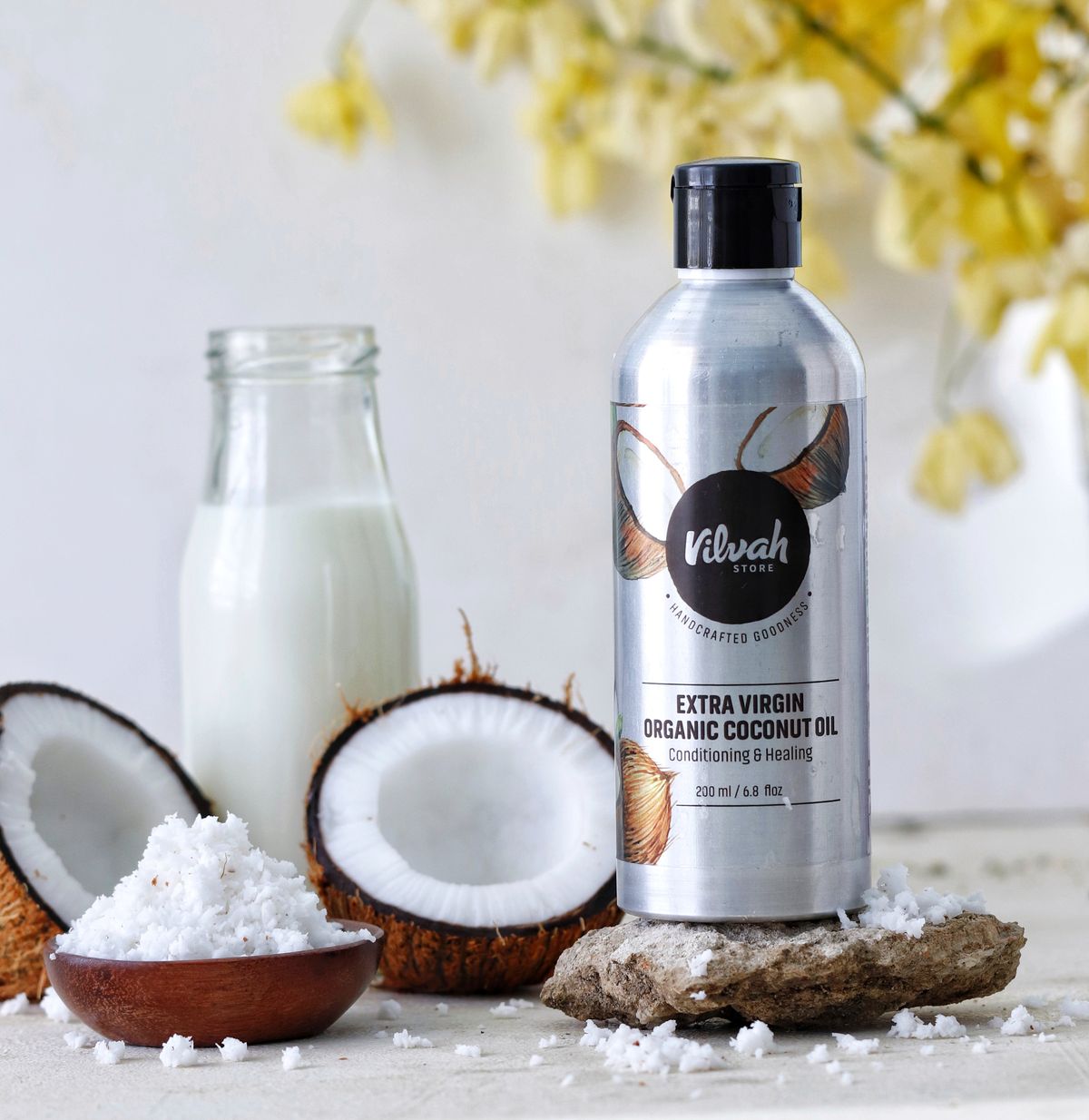
Why we picked it: This 100% pure, organic, cold-pressed extra-virgin coconut oil is exactly what recovering skin wants — unrefined with nothing added, so there’s no alcohol or fragrance to sting a healing burn. It deeply moisturizes the tight, dry, peeling skin that follows a sunburn, calms the itch, and supports the skin barrier as it heals. Keep a jar in the fridge for an extra-cooling after-sun treatment. It’s food-grade and multi-use, so one jar covers skin, hair, and cooking. Remember: apply only after the skin has fully cooled.
- Type: Organic extra-virgin
- Process: Cold-pressed
- Additives: None
- Best for: After-sun peeling skin
- Fragrance: None
- Grade: Food-grade
- ✅ Deeply moisturizes dry, peeling skin
- ✅ Fragrance-free — no sting on healing skin
- ✅ Calms itch and flaking
- ✅ Chill it for extra-soothing relief
- ✅ Multi-use — one jar does it all
Check the latest price & reviews on Amazon. Price and availability can change.
Best for: gentle, natural after-sun moisturizing once a burn has cooled and started to peel.
🤝 Affiliate disclosure: As an Amazon Associate we earn from qualifying purchases. If you buy through our links, we may earn a small commission at no extra cost to you. We only recommend products we’d genuinely use.
Compare: coconut oils for after-sun care
Any pure, virgin oil works for post-burn moisture; a lighter option feels less heavy.
| Product | Best for | Type | Note | Buy |
|---|---|---|---|---|
| Nature’s Way Organic Virgin | After-sun moisture | Extra-virgin | Pure, fragrance-free | Check on Amazon |
| Viva Naturals Organic | Whole-body use | Cold-pressed virgin | Unrefined, no additives | Check on Amazon |
| Fractionated Coconut Oil | Light, non-greasy feel | Liquid | Absorbs fast, gentle | Check on Amazon |
When to Avoid Coconut Oil (and See a Doctor)
Skip coconut oil, and get medical help, in these cases:
- The burn is still hot — cool it first; oil traps heat.
- There are blisters — don’t apply oil to blistered skin; keep it clean and see a doctor if severe.
- Severe symptoms — high fever, chills, nausea, dizziness, severe pain, or a very large burn area can signal sun poisoning; seek medical care.
- Signs of infection — increasing redness, warmth, swelling, pus, or red streaks need a doctor.
- Coconut allergy — obviously avoid it.
This article is general information, not medical advice. Serious burns and sun poisoning need professional care. If you’re unsure how bad a burn is, or it isn’t improving, see a doctor. Read our full wellness disclaimer.
Common Mistakes (and Fixes)
- Slathering oil on a fresh, hot burn.
✅ Fix: Cool the skin first; wait ~24 hours until the heat is gone. - Using it on blisters.
✅ Fix: Never oil blistered skin; keep it clean and see a doctor. - Treating it as sunscreen.
✅ Fix: Use real SPF 30+ sunscreen to prevent burns. - Rubbing hard on tender skin.
✅ Fix: Dab a thin layer gently. - Picking at peeling skin.
✅ Fix: Let it shed naturally and keep it moisturized.
Real-Life Examples
- Beach day burn: cool showers and aloe on day one, then coconut oil on day two for the tight, dry skin.
- Peeling shoulders: a thin layer twice a day keeps flaking soft and less itchy.
- Chilled relief: fridge-cold coconut oil dabbed on cooled skin feels wonderfully soothing.
- Knowing the limit: someone with blistering, feverish burn skips oil and sees a doctor instead.
Frequently Asked Questions
Is coconut oil good for sunburn?
Yes, but only after the skin has cooled. Once the heat is gone (usually the next day), coconut oil moisturizes dry, tight, peeling skin and soothes itch. Do not put it on a fresh, hot burn, as oil can trap heat and make it worse.
Can I put coconut oil on a fresh sunburn?
No. Avoid coconut oil on a fresh, hot sunburn — it can seal in heat. For the first 24 hours, cool the skin with cool showers, compresses, aloe, and water. Apply coconut oil only once the skin has fully cooled.
How long should I wait to put coconut oil on sunburn?
Wait until the skin is fully cool and the heat has passed — typically about a day, when the burn changes from hot to dry and tight. Then coconut oil is great for moisturizing and easing peeling.
Does coconut oil help sunburn peeling?
Yes. It’s one of its best uses. Coconut oil keeps peeling skin soft and hydrated, which reduces itch and makes flaking less noticeable. Don’t pick at the skin; let it shed naturally and keep it moisturized.
Can I use coconut oil as sunscreen?
No. Coconut oil offers only minimal sun protection and won’t prevent a burn. Always use a broad-spectrum SPF 30+ sunscreen. Coconut oil is an after-sun moisturizer, not a sunscreen.
Should I use aloe or coconut oil for sunburn?
Use both, in order: cool aloe vera in the first day while skin is hot, then coconut oil once the skin is cool and starting to dry or peel. Aloe cools; coconut oil moisturizes.
Your Sunburn-Relief Checklist
- Cool the skin first — showers, compresses, aloe, water
- Wait ~24 hours until the heat is fully gone
- Apply a thin layer of coconut oil, gently
- Reapply 2–3x a day as skin dries and peels
- Never oil a hot or blistered burn
- Use real SPF 30+ sunscreen to prevent burns
- See a doctor for blisters, fever, or severe burns
The Bottom Line
Coconut oil is a soothing, natural way to care for sunburned skin — but timing is everything. Cool the burn first (aloe, cool water, and shade for the first day), and bring in coconut oil once the skin has fully cooled to moisturize the tight, dry, peeling stage. Never put it on a hot or blistered burn, and never treat it as sunscreen. For gentle after-sun moisture, keep a jar of organic virgin coconut oil (bonus points for chilling it) — and protect your skin with real SPF next time.
👉 Coconut oil for skin · Coconut oil benefits · Coconut oil for eczema · 50+ ways to use it